
Infographic courtesy of Arxan Technologies.
Lower CholesterolCan Probiotics Lower Cholesterol Levels?
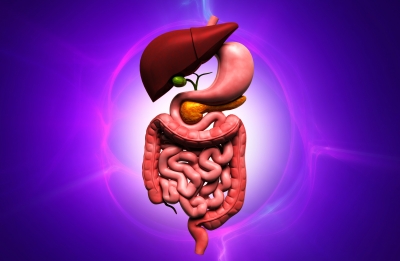
Understanding gut bacteria and how they impact metabolism, heart disease, diabetes, and obesity may provide new treatment options.
Trillions of bacteria and other microbes live within our gut. This microbiome is necessary to neutralize by-products of digestion, decrease toxins and carcinogens, and inhibit the growth of unhealthy bacteria and yeast. The microbiome also aids in the absorption of nutrients, supports the digestive process, and produces vitamins B and K.
Research published in the journal Circulation Research found the microbiome may also play a role in body mass index (BMI) and blood lipid levels (i.e. HDL and triglycerides).
Continue reading
Heart HealthAre the health apps you use secure?
Think about the health apps you use. Are you sharing confidential information? If so, is your app secure?
Arxan Technologies completed their 5th annual State of Application Security report. This report takes an in-depth look into the security of some of the most popular mobile health applications.
They found a huge discrepancy between consumers’ beliefs regarding the level of security built into these health apps, and the degree to which developers of these apps actually address known application vulnerabilities.
For instance, out of the 19 FDA-approved apps included in the study, 84% were vulnerable to at least 2 of the OWASP Mobile Top 10 Risks.
Lower Blood PressureAggressively lower blood pressure to reduce heart disease risk 33%
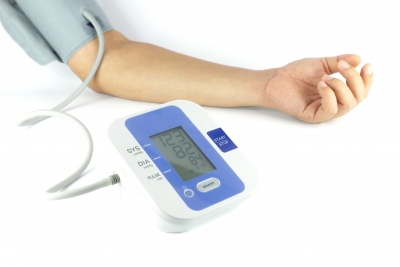
One out of three U.S. adults, 33 percent, have high blood pressure. This equals around 70 million Americans.
About 65 percent over the age of 60 have high blood pressure.
High blood pressure increases your risk for heart disease and stroke. These are two leading causes of death in the U.S.
What is high blood pressure?
High blood pressure is defined as having a blood pressure at or above 140/90 mm Hg.
140 (top number) is your systolic reading.
90 (bottom number) is your diastolic reading.
Current guidelines for treating high blood pressure are to lower systolic blood pressure to below 140 mg Hg and below 130 mm Hg for adults with kidney disease or diabetes. The most commonly prescribed treatment is blood pressure medication, which can be effective, but includes potential side effects.
Would the benefits of lower blood pressure guidelines outweigh the cons associated with more aggressive treatment and higher medication dosage?
The Systolic Blood Pressure Intervention Trial (SPRINT) began in the fall of 2009, including 9300 participants 50 years of age or older. It is worth noting 28% of participants were over the age of 75. SPRINT is the first study to investigate the impact of maintaining a systolic blood pressure at a lower level than current guidelines and the impact on cardiovascular and kidney disease.
SPRINT investigators divided participants into two groups.
Heart HealthDid you know hearing loss can be connected to heart disease?
 Heart disease impacts blood flow to the inner ear, which can lead to hearing loss.
EarQ, a nationwide network of values-driven, patient-focused, and forward-thinking independent hearing healthcare providers, provides patients greater access to life-changing hearing devices and services. EarQ shared information explaining the connection between hearing loss and heart disease below.
While you’re already monitoring your blood pressure and cholesterol level to protect yourself against heart disease, there’s one more risk factor you need to consider: your hearing.
Researchers have called the ears a “window to the heart” because audiogram patterns correlate with signs of heart issues by showing decreased blood flow to the cochlea, the structure within the inner ear that supports the auditory process.
As sounds travel through the cochlea, they’re converted into neural signals for your brain to process and understand. Over time, disruptions to that process can contribute to a variety of physical, emotional, and mental health concerns. Because hearing loss can occur gradually, the best way to monitor your hearing health is to receive an annual hearing screening.
Women have a special connection to both heart disease and hearing loss and can especially benefit from taking steps to improve their health. In addition to annual screenings, there is a more tasty way to lower your risk of heart disease and hearing loss. Studies have shown that women who eat two or more servings of fish a week have a decreased risk of developing hearing loss, as the omega-3 fatty acids support healthy blood flow throughout the body, including the cochlea.
Heart HealthAre Over The Counter Drugs Safe? Surprising Side Effects and Safer Alternatives
Medications and health products that can be purchased over-the-counter (OTC) at a pharmacy are assumed to be safe, but these products do carry the risk of side effects and health risks, especially when not used as recommended. The Drug Abuse Warning Network estimates that of the 2.1 million drug abuse emergency room visits, 27.1 percent involved nonmedical use of pharmaceuticals including prescription or OTC medications, and dietary supplements. Many people believe since these products are “over-the-counter,” that makes them safe.
That is not necessarily the case. Many OTC products have potential health risks, including side effects that impact heart health.
Sherry Torkos award winning pharmacist and author of Saving Women’s Hearts, has identified some of the most commonly used OTC product categories, some surprising side effects associated with these drugs, and smart alternatives to stay safe
1. Analgesics : Pain and discomfort from lifting, exercising, leg cramps and everyday life are often treated with over-the-counter analgesics such as aspirin, acetaminophen and ibuprofen. Up to 70 percent of the population in Western countries use analgesics regularly, primarily for muscle and joint pain. These drugs, while safe for some, can cause serious side effects, such as liver and kidney damage, ringing in the ears, stomach bleeding, rebound headaches, and increased risk of heart attack and stroke. Safer alternatives include curcumin and products that contain BioCell collagen. Curcumin helps reduce inflammation. BioCell collagen is a clinically studied form of collagen that helps to improve joint health and mobility. It is unique from other collagen products in that it is easily absorbed and gets to the target area. BioCell collagen is also great for the skin and has been shown to improve hydration and reduce wrinkles and fine lines.
2. Decongestants: These drugs are used to relieve congestion due to colds, allergies and sinus/ear pressure when flying. OTC decongestants carry the risk of serious side effects such as racing heart, increased blood pressure, insomnia, thinning of the delicate nasal lining, and worsening of health problems such as glaucoma and prostate disease. A safer way to relieve congestion is to use a nasal wash (neti pot) with essential oils such as eucalyptus to dissolve mucus and moisturize nasal passages. To relieve sinus congestion when flying swallow frequently, chew gum or suck on hard candy and try yawning big. Swallowing or yawning opens the eustachian tube and allows air to flow into or out of the middle ear, keeping the air pressure on both sides of the eardrum equal.
Continue reading