×

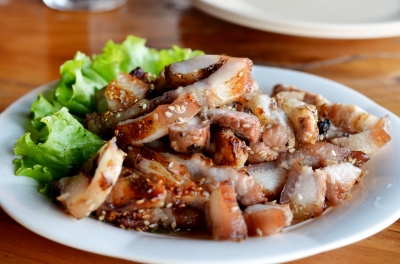
Lower Blood PressureSubstitute Lean Pork for Chicken or Fish to Lower Blood Pressure

vitamin-c-heart-disease

The DASH (Dietary Approaches to Stop Hypertension) diet is a plan to lower blood pressure levels. This approach incorporates a diet low in saturated fat and rich in low-fat-dairy, fruits, and vegetable.

The DASH diet includes lean, unprocessed meats in appropriate serving sizes, with two or fewer servings consumed daily. One serving of meat equals three ounces. For a visual, three ounces is about the size of a deck of cards.

A study published in the American Journal of Clinical Nutrition compared the impact of lean, unprocessed pork consumption with chicken and fish as dominant protein sources within this diet plan. Researchers determined lean pork could effectively be incorporated into a DASH-style diet promoting lower blood pressure.

Keep in mind, this only applies to unprocessed lean pork, such as tenderloins or uncured ham with visible fat trimmed. Research does NOT support adding other cuts or types of pork products that are higher in fat and salt to a DASH diet promoting low blood pressure.
Continue reading →

Heart HealthSafe Exercise for Heart Disease

ID-100339844Exercise is beneficial for everyone, even those who have heart disease or have had a heart attack. Regular exercise can strengthen your heart, promote quicker recovery, and reduce dependence on medication.
 
Heart benefits of exercise include:

  • Lower blood pressure
  • Increased HDL cholesterol levels
  • Reduced triglycerides
  • Decreased LDL cholesterol levels
  • Reduced symptoms of heart failure
  • Improved circulation
  • Stronger heart muscle
  • Blood sugar control
  • Weight loss
  • Reduced angina

However, you do need to be cautious before starting an exercise routine if you have heart disease or have had a heart attack.

Discuss with your doctor first

It’s especially important to discuss exercise with your doctor if you recently had a heart attack, are experiencing chest pain/pressure or shortness of breath, have diabetes, or recently had a heart procedure.

Some questions to ask your doctor include…
Continue reading →

Lower Blood PressureHow to Reduce Stress When You Don’t Have Time for Activity

Woman meditating to help reduce stress and support healthy blood pressure levels

When you are stressed your body releases stress hormones to prepare the body for “fight of flight”. This hormone release causes heart rate to increase and blood vessels to constrict. The combination leads to elevated blood pressure. With short term stress, this is a temporary rise in blood pressure that resolves itself once the stressful situation is resolved.

But what about when you live with chronic stress?

There is no direct scientific link between chronic stress and high blood pressure. However, stress is connected to many behaviors directly tied to high blood pressure and heart disease, such as consuming alcohol, lack of sleep, and overeating.

Physical activity for stress relief… but what if you don’t have time?

Being physically active is a proven method you can use to reduce stress levels. Activity triggers the brain to release “feel-good” chemicals to ease stress. Exercising and being active are also proven ways to lower blood pressure.

However, time and location may not always be conducive to employ activity to lower stress levels. Here are ten alternate techniques for reducing stress.

  1. Eat a healthy diet
    Include foods rich in vitamins and minerals to counteract stress, such as fresh vegetables, fresh fruits, fish, and yogurt.
  2. Avoid alcohol
    This potential short term “fix” to alleviate stress can quickly turn into a long term problem.
  3. Stop smoking.
    Smokes may claim smoking reduces stress, but research shows those who smoke experience slightly higher stress levels than those who do not.
  4. Get enough zzz’s.
    Not getting enough sleep causes the body to release more of the stress hormone cortisol. Elevated cortisol levels increase risk of insulin resistance leading to obesity and diabetes. Plus, difficulties are always more challenging when you are sleep deprived, which equals increased levels of stress.
  5. Decrease sugar and caffeine intake.
    Tea, coffee, and cocoa contain neuro-stimulators, such as caffeine, which increase stress. You also want to avoid foods high in sugar to prevent additional increases in blood sugar… stress on its own triggers the body to raise blood sugar levels via cortisol release.
  6. Meditate.
    Meditation leads to reduced mental overload and a heightened sense of peace and balance, benefiting both emotional and overall health….as well as stress reduction. Keep in mind meditation take practice.
  1. Socialize.
    Social support has a protective effect on health. When it comes to stress reduction friends and family provide essential support to allow you to relax and stress less.
  2. Practice deep breathing.
    Simply paying attention to your breathing and focusing on slow deep breaths can lead to relaxation and stress reduction.
  3. Laugh
    Laughter triggers physical changes within your body, stimulating organs and circulation while promoting muscle relaxation. A good laugh counteracts the body’s response to stress.
  4. Change your thinking.
    God grant me the serenity to accept the things I cannot change, courage to change the things I can, and wisdom to know the difference. Recognize what you can and cannot change. Don’t waste time (and damage your health!) on things you cannot change. Focus on what you can.

All the best,
Lisa Nelson RD

Image courtesy of blackzheep / FreeDigitalPhotos.net
Heart HealthWhat Fruits Are in Season?

We all know how important it is to get your fruits and veggies in. Breakfast is a huge part of the day and healthy snacks in between are important to keep your metabolism going. If you want to get the full benefits of the delicious fruits you are eating, it is best to eat seasonally. Not only are you supporting local farmers but you get the freshest produce since they are not being frozen, packaged or shipped. 

Shari’s Berries has created a chart with over 50 fruits and their peak season. Use fresh apricots in your favorite nonfat yogurt or infuse your water with blueberries. The good news is, there are a variety of options all year long.
Continue reading →

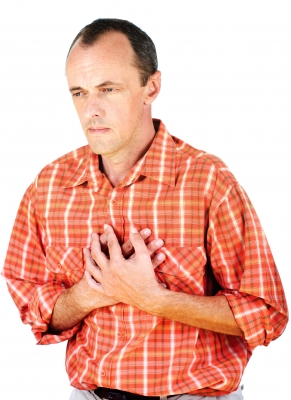
Heart HealthHeart Attack vs. Panic Attack: When to seek medical attention

heart-attack-vs-panic-attack

Heart disease impacts your heart muscle, blood vessels, and electrical system. Coronary artery disease is the most common form of heart disease. Coronary artery disease involves the build-up of plaque deposits on artery walls. This plaque build-up is called atherosclerosis. When this plaque ruptures it cause a blood clot to suddenly block an artery.  If this happens within the heart, it causes a heart attack. When this occurs, it’s imperative you receive life-saving treatment within the first 30-minutes to prevent permanent damage and death.

Symptoms

Chest pain and breathing difficult are common symptoms for both a panic attack and a heart attack. Additional symptoms for both can include palpitations, dizziness, feelings of impending doom, burning sensation in the chest, numbness of hands and feet, unusual fatigue, fainting, and sweating. Panic attacks occur spontaneously, maybe triggered by a stressful event. Chest pains, as a part of anxiety, are not normally considered to be dangerous. However, chest pain and breathing difficulty can also be signs of a lack of blood flow to the heart muscle.

How do you differentiate?

Heart Attack:

  • Increasing chest pain reaching max severity in a few minutes
  • Constant pressure, pain, aching
  • Left chest pain
  • Pain that radiates from the chest to other locations
  • Pain connected to movement or exertion

Panic Attack: Continue reading →

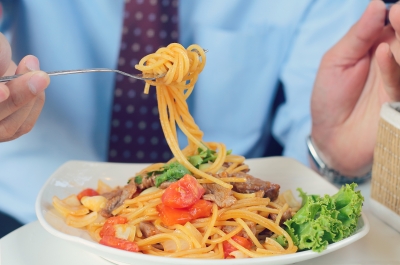
Heart HealthHow Carb-Loading Negatively Impacts Heart Health

carb-loading
Carbohydrate loading (aka carb-loading) is often used by athletes to maximize the amount of fuel stored in muscle and readily available for use during competition.

Researchers from Vanderbilt and the University of Alabama at Birmingham studied the impact of an acute carbohydrate load in the form of a 264-calorie shake on the production of the hormone atrial natriuretic peptide (ANP). ANP works in the body to eliminate excess salt and lower blood pressure.

Those who are obese produce less ANP. This contributes to more issues with salt retention and high blood pressure.

The study included 33 individuals with normal blood pressure levels. Prior to completing the study, participants followed a standard diet for a couple days to prevent dietary variability from impacting results. Their blood levels of ANP were then analyzed for twenty-four hours after consuming the 264 calorie carbohydrate shake.

There are 4 calories per 1 gram of carbohydrate. A 264 calorie shake equals 66 grams of carbohydrates.

A 20-ounce bottle of Coca Cola contains 65 grams of carbohydrates.

Continue reading →