×

Lower Blood PressureAn Alternative Method to Help Lower Blood Pressure

Article provided by guest contributor, Diane Isaac.

sauna

With high blood pressure being a major problem for people across the world, some readily available alternatives to lower blood pressure are often overlooked. This article will look at one particular method, which can help the overall wellbeing of individuals while also aiding to bring down their blood pressure.

While regular exercise without doubt helps lower blood pressure, using a sauna frequently has also been proven to aid in reducing blood pressure as well as reducing the chances of fatal cardiac events.

A study by Jari A. Laukkanen, M.D., Ph.D., working out of the University of Eastern Finland, Kuopio found that there’s an “association between sauna bathing and the risk of SCD, fatal coronary heart disease (CHD), fatal CVD and all-cause mortality in a group of 2,315 middle-aged men (42 to 60 years old) from eastern Finland.” The study concluded from its results that the men that visited saunas three times a week had a longer lifespan that those who didn’t, and had less cardiac problems later in life.
Continue reading →

Heart Health10 Heart Healthy Cooking Tips

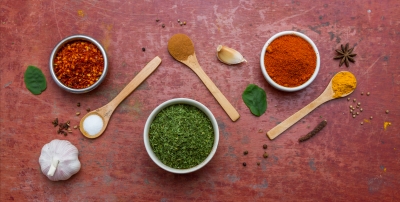
heart healthy cookingWith some heart healthy cooking, you can still enjoy delicious meals on a heart healthy diet. Plus, you don’t have to follow some strict “diet”. Many times you just need to tweak what you are already eating.
Here are 10 tips for heart healthy cooking.

#1 Replace processed grains with whole grains

This involves more than just switching to whole grain bread. Select whole-wheat flour, whole cornmeal, quinoa, and oatmeal to boost fiber intake. Also, look at the pasta and rice your purchase. Select whole grain pasta and brown rice for heart health. Some whole grain products take a little bit longer to prepare than their processed counterparts. Keep this in mind as you make the switch.

#2 Eliminate salt and watch for hidden sodium sources

Many canned and processed foods are high in added sodium. Read labels and select options that have “No Added Salt”. You can also reduce sodium content of canned vegetables by rinsing them in cold water prior to preparing. Take the salt shaker off the table to break a habit of salting your foods before you even try them.

#3 Eat more fruits and vegetables

Prepare well balanced meals that include plenty of fruits and vegetables. Every meal should have a fruit and/or vegetable and it’s okay to eat more than one serving. The DASH (Dietary Approaches to Stop Hypertension) Diet recommends 4-5 vegetables each day AND 4-5 servings of fruit daily.

#4 Use nonfat yogurt in place of sour cream Continue reading →

Heart HealthThe Beat on Resting Heart Rate (infographic)

See the below infographic highlighting the aggregated and anonymous resting heart rate data of over 1 million Fitbit users. Fitbit found a strong correlation between resting heart rate and two key health metrics: body mass index and moderate to intense daily activity. Check out some of the key data points about resting heart rate below, as well as tips on how to keep your heart healthy during the month of February and beyond.

Click to enlarge.
Continue reading →

Heart Health4 Heart Healthy Ways to Celebrate National Nutrition Month

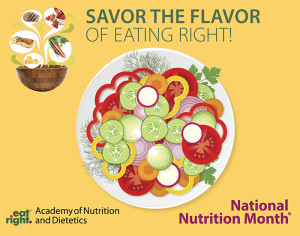
NNM2016_700x550_1March is National Nutrition Month. During this month, the Academy of Nutrition and Dietetics focuses attention on the importance of informed food choices and the role healthy eating and physical activity play in weight management and disease prevention.

Implement the 4 steps outlined below to move forward with your diet and lifestyle goals to promote heart health.

1. Plan ahead

A significant hurdle for improving food choices is time. The week is busy and as you run from one activity to the next, food preparation can fall to the side and you end up turning to quick and easy processed meals or dining out. There are choices that hinder achieving your goals.

Plan ahead by preparing meals in bulk on the weekends and freezing for quick, easy, healthy meal choices when you are in a crunch.

2. Clean out your cupboards

Don’t rely on willpower. Purge the unhealthy foods from your cupboards so they are not tempting you. Don’t use the excuse of my kids or spouse wants this on hand. If it’s not a good choice for you, it’s not a good choice for them. Save those less healthy options for special occasions, you don’t need to have them on hand constantly.
Continue reading →

Heart Health7 Steps to Help Prevent a Heart Attack

vitamin-c-heart-disease

Heart disease is the leading cause of death worldwide, equaling 17.3 million deaths annually. Approximately 635,000 Americans have their first heart attack each year with 2,150 Americans dying daily from heart disease and stroke. (Source: 2015 Heart Disease and Stroke Statistics Update)

Lowering your risk factors for heart disease will help you prevent a heart attack.

  1. Make healthy food choices. There are many ways you can adjust your diet to promote heart health. Control portion sizes to avoid excess calories, increase your intake of vitamin and nutrient rich fruits and vegetables, switch from processed grains to whole grains for increased fiber, eliminate trans fats, opt for lean proteins, and reduce sodium intake.
  2. Monitor your blood pressure. High blood pressure increases the development of atherosclerosis, which is the build-up of arterial plaque. This build-up causes narrow arteries, reducing blood flow to the heart leading to increased risk of an artery becoming fully blocked or blood clot formation. Blood pressure is known as the “silent killer”, meaning you usually don’t know you have high blood pressure. It is important to periodically monitor levels. If your average blood pressure is greater than 140/90 mm Hg, discuss with your doctor.
  3. Continue reading →