 Dr. Britt Burton-Freeman is Director, Center for Nutrition Research, Institute for Food Safety and Health, Illinois Institute of Technology; Associate Research Nutritionist, UC Davis. Her research involves obesity and vascular disease inflammatory and oxidative stress responses. Her research approach includes human and basic science methodology.
Dr. Burton-Freeman has shared with us information on supplements and their effectiveness for improving heart health.
Fish oil omega 3 fatty acids
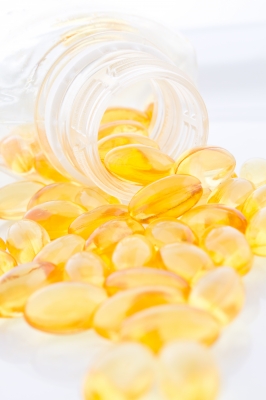
Studies investigating fish oil omega-3 fatty acid supplementation have shown improvements in CVD risk factor reduction. Specifically, fish oil omega-3 fatty acids aid in lowering triglycerides in the blood and help raise HDL. Fish oil omega-3 fatty acids also help to reduce inflammation and are also involved in platelet function, reducing blood clotting time. Hence, too much fish oil can increase the risk of bleeding and hemorrhagic strokes. Elevated blood pressure is another risk factor for CVD. High doses of omega 3 fatty acids have been shown to lower blood pressure in people with hypertension. Consuming > 3 g of fish oil omega 3 fatty acids is advised only under the advice and monitoring of a physician.
Lycopene
Continue reading

 More research is linking