Enjoy the Holidays WITHOUT Trans Fats
Guest post provided by Jonny Bowden, PhD, CNS aka “The Nutrition Myth Buster”.
So you’ve decided to eat healthy over the holidays. This year, you’re going to buck the trend and avoid that typical six-pound weight gain. What’s more: This year is the year to really get into shape, and take your overall health and vitality up a notch.
But now? With so much contradictory advice out there – paleo, raw foods, vegan, high protein, low fat, and my own recently published high-fat program (“Smart Fat: Eat more Fat, Lose More Weight, Get Health Now!”) – no wonder consumers are confused!
But there’s one thing every single health professional agrees on, no matter where they stand on the nutritional advice spectrum: Cut out the trans fat.
What are trans fats?
Trans fats are an artificially produced kind of “frankenfat” blamed for an estimated 20,000 heart attacks annually, and another 7,000 heart disease deaths. And they are a serious public health concern. They’re made by artificially forcing hydrogen atoms into unsaturated fat, forming a kind of mutant fat which is great for the shelf life of processed foods, but not for the life of the humans who consume it.
The ironic part is that the reason we put trans fat in our diet in the first place was an ill-conceived attempt to get saturated fat out. The irony is that the saturated fats we banished from our diet are turning out to be either neutral or beneficial, while hydrogenated vegetable oils (trans fats) are just plain bad news.
How can trans fats get hidden inside “zero trans fat” foods?
The FDA is now calling for the elimination of trans fats from the food supply over the next three years. But big commercial food manufacturers are a crafty bunch. Seeing the writing on the wall, Big Food began lobbying for loopholes in the regulations years ago. Sure enough, they got one. And it’s a doozy.
Vitamin C to Reduce Risk of Heart Disease
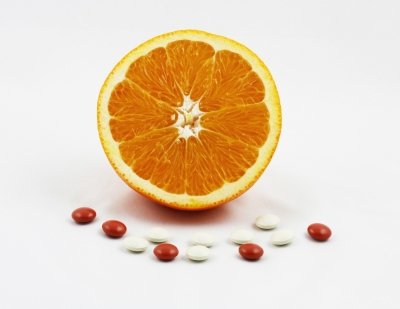
Individuals with high fruit and vegetable intake have a 15% lower risk of developing heart disease and a 20% lower risk of early death when compared to those who rarely eat fruit and vegetables, according to research published in the American Journal of Clinical Nutrition.
Researchers state this reduced risk of heart disease and early death for regular fruit and vegetable consumers is related to a high concentration of vitamin C in the blood.
The role of vitamin C in heart disease
- Vitamin C is a powerful antioxidant enhancing the body’s response to free radicals and protecting the arteries from oxidative damage.
- Vitamin C enables collagen synthesis in arterial wall connective tissue, strengthening blood vessel walls. Weakened collagen makes it easier for oxidized LDL and the inflammatory process to gain a foothold and plaque formation.
- Vitamin C increases nitric oxide levels. Nitric oxide is a vasodilator increasing the arteries ability to widen and reduce blood pressure.
Vitamin C also…
- Aides in wound healing
- Boosts the immune system by increasing white blood cells and interferons
- Slows gum disease
- Aids carnitine synthesis
- Reduces leukotrienes production (factor in allergic reactions)
- Increases fertility
- Aids regeneration of vitamin E
- Enhances iron absorption
- Plays a role in serotonin production (a neurotransmitter impacting mood and appetite)
- Reduces incidence of cataracts
- Acts as a diuretic
- Decreases bruising
Vitamin C in your diet
The body cannot make vitamin C, which means you must consume vitamin C in either foods or supplements. I encourage you to increase your intake of fruit and vegetables to boost your vitamin C intake daily.
Some foods rich in vitamin C include red sweet peppers, turnip greens, broccoli, red cabbage, strawberries, spinach, oranges, mangos, cantaloupes, and raspberries.
Causes of vitamin C deficiency
Be especially aware if you have any of the following conditions or take any of the following medications. They promote vitamin C deficiency:
- Antibiotics
- Stress
- Aspirin
- Painkillers
- Sulfa drugs
- High fever
- High blood pressure
- Diabetes mellitus
- Cortisone
- Birth control pills
- Smoking
Vitamin C is a water-soluble vitamin, which means it leaves the body quickly. You should consume foods rich in vitamin C throughout the day.
Be sure to access the free ecourse “How to Lower Cholesterol in 8 Simple Steps” at http://lowercholesterolwithlisa.com.
All the best,
Lisa Nelson RD
Health Pro for HealthCentral
Image courtesy of Maggie Smith / FreeDigitalPhotos.net
8 Steps to Prevent a Holiday Heart Attack

Good food, laughter, and quality time with family. A picture perfect holiday season, right? Well, that is Hollywood’s version anyway. Holidays tend to spike stress levels for many.
Finding just the right gift. Preparing for company. Long hours cooking. Then hours of clean up. Late nights socializing. Long days on the road. Hazardous travel conditions.
Holiday activities trigger a spike in cardiovascular events, such as a heart attack. There is about a 5% increase in heart-related deaths during this season according to a 2004 study published in Circulation.
Take steps this holiday season to counteract the extra stress you know lies ahead.
Continue reading
Has laser eye surgery ever been linked to heart problems?
This guest post is provided by Phoebe Damien, content marketer who works in AcceleRank Web Solutions. A teacher by day and a blogger by night, Phoebe is helping businesses with content marketing. A blogger and a runner, Phoebe is also a vegan.
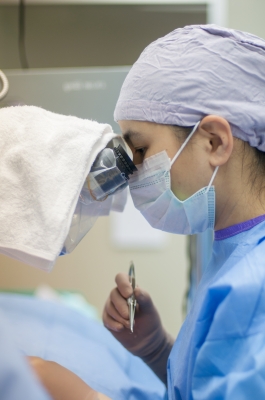
Few surgeries if any are completely safe, especially if you have some kind of heart problem. You might not even consider it as you lay down to get your eyes fixed, but is it possible that your laser eye surgery could cause you to suffer a heart attack?
Low risk but not entirely safe
Cataract and other types of eye surgeries are known to have very low risks of complications. This however does not mean that they are entirely safe. It is possible, although unlikely, that the stress of the laser eye surgery might lead the patient to suffering a heart attack. It is best for the patient to attend a consultation with a specialist.
Likewise, surgeons at Optilase will always do their best to screen the patients prior to the surgery in order to see if there are any risks to be considered. But even if they were able to find a problem with regards to the matter, there is nothing much that they can do in order to lower the risks of suffering a heart attack during the surgery. Here is a good thing about it though; these kinds of surgeries only require a local anaesthetic to numb the eyes – in fact it is not a very long procedure. Before patients undergo this kind of surgery, they will need to do routine testing before it is time to repair their eyesight.
Continue reading
Raspberries to Promote Heart Health
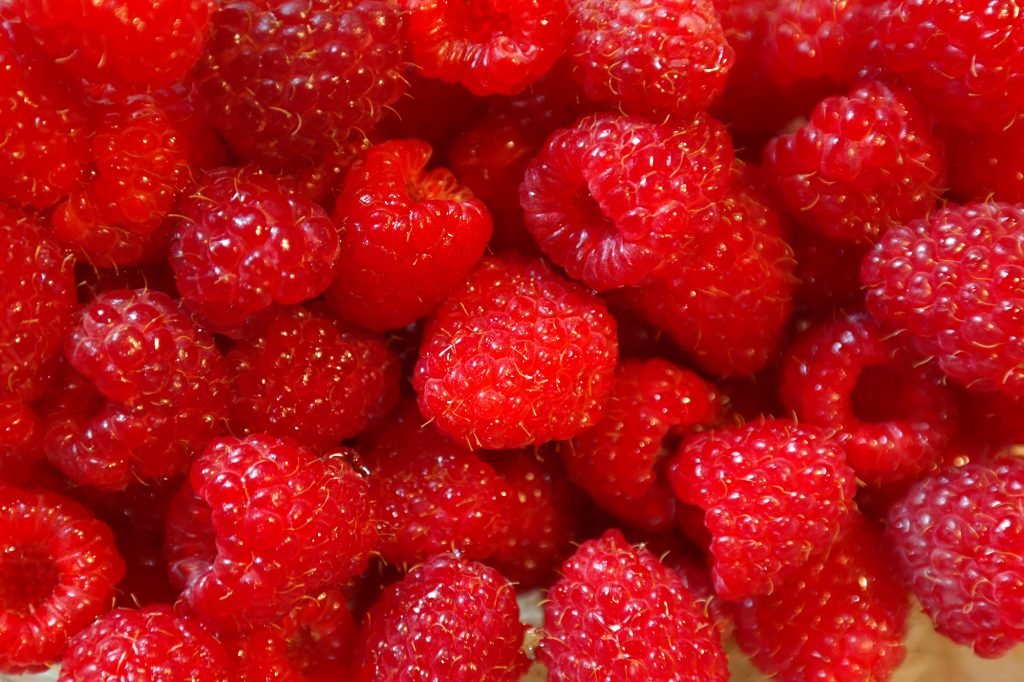
Raspberries are low calorie, convenient, great tasting, and provide a variety of nutrients. An excellent addition to your diet.
Fiber to lower cholesterol
Fiber is a key nutrient to combat high cholesterol levels and promote heart health. Dietary fiber binds to cholesterol in circulation and helps remove it from the body. Raspberries provide 12.5 grams/100 kcal (Calories).
For comparison…
High fiber cereals = 6 g fiber/100 kcal
Apple = 4.6 g fiber/100 kcal
Banana = 2.9 g fiber/100 kcal
Grapes = 1.3 g fiber/100 kcal
Most American’s consume about half the daily fiber recommendation of 25 to 35 grams per day. Raspberries are a useful tool for easily increasing your fiber intake. One cup of raspberries provides 8 grams of fiber.
Anthocyanins to lower blood pressure
Endothelial function is compromised with atherosclerotic disease. By providing the body with enhanced oxidative defenses, such as anthocyanins, you increase the nitric oxide released to relax blood vessels leading to vasodilation. This vasodilation promotes lower blood pressure levels. The anthocyanins found in raspberries have been shown to promote vasodilation of blood vessels in studies.
A little chemistry explanation
Quick chemistry lesson so you can better understand a couple terms.
Continue reading
Does Plastic Surgery Affect the Heart?
I read an article in Time magazine recently discussing how plastic surgery procedures are now going to be the norm for a majority of Americans. I really didn’t enjoy the message of the article, but the fact is people do have plastic surgery…including those who may have heart issues.
This guest post is provided by Phoebe Damien, content marketer who works in AcceleRank Web Solutions. A teacher by day and a blogger by night, Phoebe is helping businesses with content marketing. A blogger and a runner, Phoebe is also a vegan.
Does Plastic Surgery Affect the Heart?
Just like any other operation plastic surgery is a major surgery and is associated with some risks. Patients with a heart condition may be at a higher risk of developing complications such as blood clots or deep vein thrombosis. But this does not mean that such people cannot have a facelift due to their history.
First we need to understand what plastic surgery is and the various procedures. Basically, plastic surgery is a reconstructive procedure used to correct abnormal structures in the body. It is typically performed to improve functions; however it is sometimes performed when a normal appearance is desired. There are different types of surgeries that can change or enhance your look. The popular procedures that are common today are rhinoplasty, liposuction, eyelid surgery, facelifts, breast augmentation and tummy tuck.
Patients must be screened beforehand to ascertain their medical fitness. They should also have appropriate post care after the surgery to help them with the recovery process. It is a safe procedure for perfectly healthy individuals with no history of heart disease.