Heart Attack vs. Panic Attack: When to seek medical attention

Heart disease impacts your heart muscle, blood vessels, and electrical system. Coronary artery disease is the most common form of heart disease. Coronary artery disease involves the build-up of plaque deposits on artery walls. This plaque build-up is called atherosclerosis. When this plaque ruptures it cause a blood clot to suddenly block an artery. If this happens within the heart, it causes a heart attack. When this occurs, it’s imperative you receive life-saving treatment within the first 30-minutes to prevent permanent damage and death.
Symptoms
Chest pain and breathing difficult are common symptoms for both a panic attack and a heart attack. Additional symptoms for both can include palpitations, dizziness, feelings of impending doom, burning sensation in the chest, numbness of hands and feet, unusual fatigue, fainting, and sweating. Panic attacks occur spontaneously, maybe triggered by a stressful event. Chest pains, as a part of anxiety, are not normally considered to be dangerous. However, chest pain and breathing difficulty can also be signs of a lack of blood flow to the heart muscle.
How do you differentiate?
Heart Attack:
- Increasing chest pain reaching max severity in a few minutes
- Constant pressure, pain, aching
- Left chest pain
- Pain that radiates from the chest to other locations
- Pain connected to movement or exertion
Panic Attack: Continue reading
How Carb-Loading Negatively Impacts Heart Health

Carbohydrate loading (aka carb-loading) is often used by athletes to maximize the amount of fuel stored in muscle and readily available for use during competition.
Researchers from Vanderbilt and the University of Alabama at Birmingham studied the impact of an acute carbohydrate load in the form of a 264-calorie shake on the production of the hormone atrial natriuretic peptide (ANP). ANP works in the body to eliminate excess salt and lower blood pressure.
Those who are obese produce less ANP. This contributes to more issues with salt retention and high blood pressure.
The study included 33 individuals with normal blood pressure levels. Prior to completing the study, participants followed a standard diet for a couple days to prevent dietary variability from impacting results. Their blood levels of ANP were then analyzed for twenty-four hours after consuming the 264 calorie carbohydrate shake.
There are 4 calories per 1 gram of carbohydrate. A 264 calorie shake equals 66 grams of carbohydrates.
A 20-ounce bottle of Coca Cola contains 65 grams of carbohydrates.
10 Heart Healthy Cooking Tips
 With some heart healthy cooking, you can still enjoy delicious meals on a heart healthy diet. Plus, you don’t have to follow some strict “diet”. Many times you just need to tweak what you are already eating.
Here are 10 tips for heart healthy cooking.
#1 Replace processed grains with whole grains
This involves more than just switching to whole grain bread. Select whole-wheat flour, whole cornmeal, quinoa, and oatmeal to boost fiber intake. Also, look at the pasta and rice your purchase. Select whole grain pasta and brown rice for heart health. Some whole grain products take a little bit longer to prepare than their processed counterparts. Keep this in mind as you make the switch.
#2 Eliminate salt and watch for hidden sodium sources
Many canned and processed foods are high in added sodium. Read labels and select options that have “No Added Salt”. You can also reduce sodium content of canned vegetables by rinsing them in cold water prior to preparing. Take the salt shaker off the table to break a habit of salting your foods before you even try them.
#3 Eat more fruits and vegetables
Prepare well balanced meals that include plenty of fruits and vegetables. Every meal should have a fruit and/or vegetable and it’s okay to eat more than one serving. The DASH (Dietary Approaches to Stop Hypertension) Diet recommends 4-5 vegetables each day AND 4-5 servings of fruit daily.
#4 Use nonfat yogurt in place of sour cream Continue reading
The Beat on Resting Heart Rate (infographic)
See the below infographic highlighting the aggregated and anonymous resting heart rate data of over 1 million Fitbit users. Fitbit found a strong correlation between resting heart rate and two key health metrics: body mass index and moderate to intense daily activity. Check out some of the key data points about resting heart rate below, as well as tips on how to keep your heart healthy during the month of February and beyond.
Click to enlarge.
Continue reading
4 Heart Healthy Ways to Celebrate National Nutrition Month
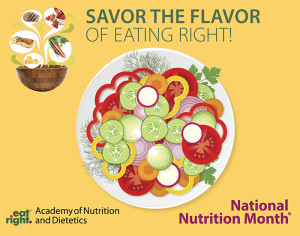 March is National Nutrition Month. During this month, the Academy of Nutrition and Dietetics focuses attention on the importance of informed food choices and the role healthy eating and physical activity play in weight management and disease prevention.
Implement the 4 steps outlined below to move forward with your diet and lifestyle goals to promote heart health.
1. Plan ahead
A significant hurdle for improving food choices is time. The week is busy and as you run from one activity to the next, food preparation can fall to the side and you end up turning to quick and easy processed meals or dining out. There are choices that hinder achieving your goals.
Plan ahead by preparing meals in bulk on the weekends and freezing for quick, easy, healthy meal choices when you are in a crunch.
2. Clean out your cupboards
Don’t rely on willpower. Purge the unhealthy foods from your cupboards so they are not tempting you. Don’t use the excuse of my kids or spouse wants this on hand. If it’s not a good choice for you, it’s not a good choice for them. Save those less healthy options for special occasions, you don’t need to have them on hand constantly.
Continue reading
What Is a Healthy Cholesterol Level? VIDEO with Dr. Sinatra
Dr. Sinatra is a well-known cardiologist focused on providing his clients with useful cholesterol tips in order to live a healthier life.