5 Health Boosting Activities for Bored Adults
Guest post provided by Jessica Hegg. Jessica Hegg is the content manager at ViveHealth.com. Interested in all things related to a healthy lifestyle, she works to share valuable information that aims to improve the quality of life for others.
 If you’re like many other adults in the US, you probably spend a lot of time on the weekends bored – lounging around the house, watching TV, and generally puttering around. While that can be fun for a bit, extended periods of inactivity are unhealthy – both mentally and physically.
So why not kill two birds with one stone? There are plenty of fun, healthy activities to take part in that aren’t overly stressful, but can still be entertaining and lead to better health outcomes.
It’s been found that 300 minutes (5 hours) of light physical activity per week leads to an overall lower risk of all-cause mortality, as well as helping to prevent a whole host of maladies such as colon and breast cancer, coronary heart disease, high blood pressure, stroke, and type 2 diabetes, among others.
In addition, a higher level of cardiorespiratory fitness and muscle tone is observed. Simply put, being active makes you healthier, makes you feel better, and makes you look better. So take a look at these easy, fun activities, and plan your next weekend outing or weeknight recreation accordingly.
1. Sports Clubs
Recreational leagues in sports like basketball, soccer, and softball are readily available throughout most cities in the US, and most cater to adults by age group, so you won’t have to deal with being stuck in a hyper-competitive league with some 25-year old.
Playing a sport in a team environment is entertaining, fun, and good for you. This is especially great for people who usually don’t like to exercise that much – the fun, supportive team environment is sure to get you up and moving.
Sports like racquetball and squash are also very popular among adults – they don’t require too much-specialized equipment, and you don’t need to sign up for a league, just find a partner or two who you can play with a couple times a week.
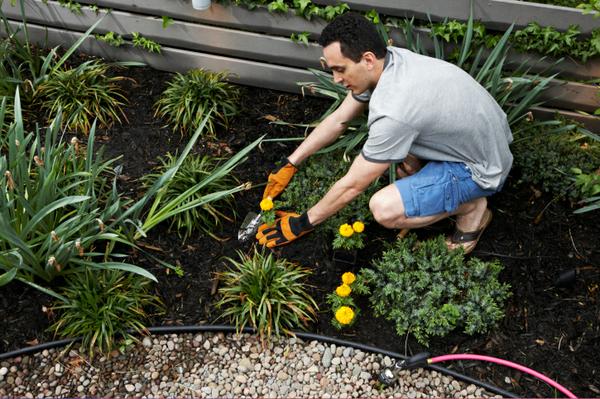
2. Gardening and Yard Work
Gardening and yard work are fantastic ways to burn calories, occupy your day, and get some great results – not just for your health, but for your curb appeal!
Continue reading
Finding the Best Fish Oil Supplement
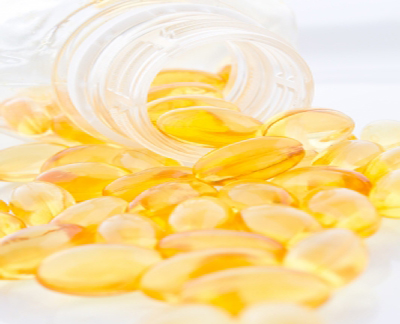 Omega-3 fatty acids, like EPA and DHA, which are found in fish oil supplements, are clinically proven to help reduce inflammation. This means taking fish oil supplements regularly can prevent a host of health problems, including high blood pressure and heart disease. The team at Reviews.com spent weeks testing 184 of the most common over-the-counter fish oil supplements on the market. They consulted doctors and nutrition experts to see what their recommendations were, then used multiple third-party labs to assess each brand’s potency, purity, and freshness. They also consulted with the Marine Stewardship Council to verify which supplements were the most responsibly and sustainably made!
Reviews.com’s Top Picks
Best Overall:
- Nutrigold Triple Strength Fish Oil Omega-3 Gold — Contains 1,000 mg EPA+DHA per pill, which is a full recommended daily dose, and is thoroughly vetted by third-party labs
5 Tips to Protect Yourself From Zika Virus During Travels
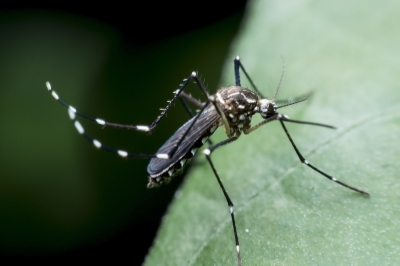 Fall and winter are not without their benefits. The time of year affords brisk walks without the incessant need to slap away the flying nuisances. Mosquito season blissfully comes to an end and the fear of bites drops to zero.
However, if you are looking to travel to warmer climes, don’t be complacent. With warnings of the Zika virus continuing in the news, it is best to be prepared. Especially if your fun adventure falls into or near a Zika hot zone.
According to the Centers for Disease Control and Prevention (CDC), there have already been 4,618 travel-associated Zika infections in the U.S., and that number is likely to increase. So how best can you protect yourself and enjoy your vacation? Don’t stress, the experts have weighed in below about the best spray and non-spray options that will help you win the war against mosquitoes.
Continue reading
Are the effects of shift work putting your heart at risk?
 According to the bureau of Labor Statistics, 15 million people work evening shift, night shift, rotating shifts or other schedules outside the traditional 9 am to 5 pm work day. These non-traditional hours are called shift work.
Some shift workers include nurses, doctors, firefighters, police officers, flight attendants, pilots, waitresses, and truck drivers.
Shift work had been linked to various health conditions.
Health effects of shift work
Cardiovascular disease: Shift work increases cardiovascular disease on average 40%. The longer you perform shift work, the greater your risk.
Continue reading
Symptoms of a Heart Attack in Women
 Heart disease is not a ‘man’s disease’.
Heart disease is the number one killer of women. It is more deadly than all forms of cancer combined. One in thirty-one US women die from cancer each year. One in three die from a heart attack annually.
Protect yourself by knowing your risk factors for heart disease, such as obesity, smoking, menstruation has stopped, high blood pressure, diabetes, high cholesterol, physical inactivity, and family history of arteriosclerotic heart disease before age 60.
According to Dr. Larry Weinrauch, very few pre-menopausal women have heart attacks, unless they smoke, have diabetes, or are on birth control pills for a long period of time. Smoking seems to be the biggest risk factor.
Heart disease symptoms can be different for women than men, which can lead to misdiagnosis and/or delayed treatment.
Heart attack warning signs for women:
Continue reading
Healthy Holiday Eating: 7 Health Benefits of Your Favorite Holiday Foods
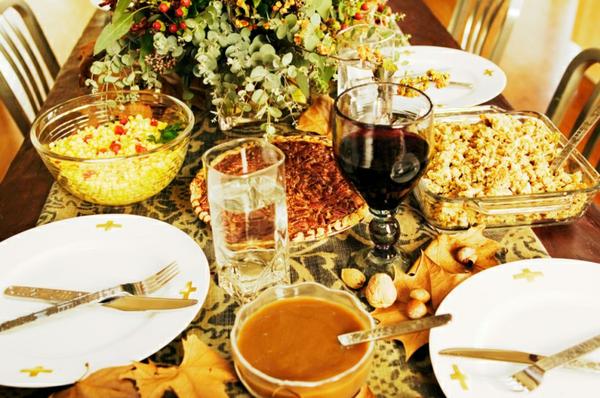 Even though holiday meals are often calorie-dense, you do still achieve healthy holiday eating and reap some heart healthy benefits. Here are seven classic holiday foods with hidden health benefits.
Pumpkin pie
One of the healthier dessert options, pumpkin pie provides fiber, manganese, copper, magnesium, zinc, and various B vitamins. A diet high in fiber supports healthy cholesterol levels, while consuming adequate magnesium promotes lower blood pressure.
Cranberry sauce
Cranberries are a rich source of antioxidants, including vitamins C and E. Antioxidants protect against free radicals, a step towards preventing heart disease and cancer.
Sweet potatoes
Sweet potatoes provide fiber, vitamins C, beta carotene, manganese, and potassium. A diet high in potassium promotes a healthy blood pressure. One sweet potato provides 428 mg of potassium.
Mashed potatoes
White potatoes contain vitamin B6, potassium, copper, and vitamin C. Vitamin B6 promoting normal homocysteine levels. Elevated homocysteine is associated with plaque build-up and blood clots. One cup of mashed potatoes provides 32% of the daily recommended intake for vitamin B6.
Green bean casserole
Green beans contain carotenoids, flavonoids, vitamin C, beta-carotene, and manganese. Carotenoids provide anti-inflammatory benefits to protect against heart disease. Green beans also provide heart healthy omega-3 fatty acids.
Turkey
While there is not truly enough tryptophan in turkey for it to be the cause of your post meal nap, turkey is a rich source of heart healthy lean protein, providing 26-grams of protein per three-ounce serving with only 2 grams of fat.
Pecans
Twenty-two pecans provide 20 grams of heart healthy unsaturated fat. Adding just a handful of pecans to your daily diet will help prevent heart disease.
Choose Wisely for Healthy Holiday Eating
While holiday foods provide heart healthy nutrients, they are often prepared with extra fat and sugar leading to calorie-dense options. Going overboard can counteract the heart healthy benefits.
If you are working to improve cholesterol or blood pressure but struggle to stick with healthy choices week after week, access How to Make Heart Healthy Changes into Lifelong Habits here.
All the best,
Lisa Nelson RD
Health Pro for HealthCentral