9 Quick Fixes to Boost Your Fruit and Veggie Intake
 Here are nine easy ways to ensure you eat the recommended five to nine servings of fruits and vegetables every day.
1. Eat on the go.
An apple, orange, banana, and pear are all portable fruits you can eat on the go without advance prep. Fruits provide vitamin C, a powerful antioxidant enhancing the body’s response to free radicals and protecting the arteries from oxidative damage.
2. Salads.
Shop the produce shelf for ready-made salads. Select dark green, leafy lettuce varieties, such as romaine, endive, and spinach.
3. Pizza.
Top your pizza with extra chunks of tomatoes, onions, bell peppers, spinach leaves, and pineapple. Tomatoes are rich in nutrients that directly impact heart health, including potassium, niacin, vitamin B6, and folate
4. Breakfast.
Use strawberries, bananas, blueberries and other fruits to pancakes, waffles, and toast. Colorful berries are a rich source of polyphenols and antioxidants.
5. Vegetable snacks.
Snack on raw baby carrots, pepper slices, cauliflower, broccoli, and celery. Cardiac physician Mark Houston recommends consuming 4 stalks of celery daily.
6. Fruit snacks.
Keep one-serving size bags of dried fruit in your car or desk for a convenient and still healthy snack. A 1/4 equal one-serving of dried fruit.
7. Pasta and omelets.
Mix in frozen or fresh vegetables with your pasta and omelets. Canned vegetables are high in sodium, while frozen or fresh vegetables usually have no added sodium.
8. Soup and sauces.
Boost nutritional value of soups and sauces by adding a kidney beans, green beans, corn, or peas. Beans provide both soluble and insoluble fiber to promote healthy cholesterol levels.
9. Smoothies.
Enjoy a healthy, refreshing smoothie made with frozen fruit, yogurt, and ice. Add a tablespoon of ground flaxseed to boost omega 3’s.
Remember… your goal is to consume 5 to 9 servings of fruits and vegetables EVERY DAY.
7 Cruciferous Vegetables to Promote Heart Health
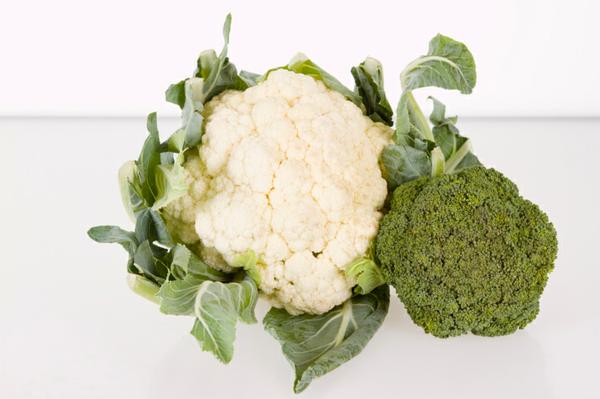
Do you consume 2 ½ cups of vegetables daily as recommended by the 2015 Dietary Guidelines for Americans?
Cruciferous vegetables are a nutrient-rich option for boosting daily vegetable intake. These vegetables are a good source of dietary fiber, vitamins K, C, and E, folate, calcium, and potassium.
Research indicates there may be a link between some of the nutrients and phytochemicals contained in cruciferous vegetables with reduced cancer risk and improved cardiovascular health.
Here are 7 cruciferous vegetables to incorporate in your diet:
#1 Kale
One cup of Kale provides over 1000 mcg of vitamin K. The fiber, potassium, folic acid, and vitamin C found in kale support heart health. Select dark, colored bunches of kale, avoiding yellow and brown leaves.
#2 Broccoli
Microwave or steam broccoli instead of boiling it to reduce nutrient losses. You can consume both the stalks and the florets. Broccoli is a rich source of the enzyme sulforaphane, which is involved in liver detoxification and three B vitamins ( B6, B12, and folate) that reduce homocysteine levels.
Folic Acid Benefits for Heart Health
What is folic acid?
Folic acid is synthetic form of the water-soluble vitamin B9. Folate is the natural form of this vitamin found in foods. There is debate surrounding which form of vitamin B9 is healthiest – folic acid versus folate, but I don’t want to explore that argument today. For the sake of our discussion, folic acid is equal to folate and I’m using the terms interchangeably.
Folic acid plays an important role in energy production and the immune system.
What folic acid benefits are connected to heart disease?
Homocysteine is an amino acid that comes from the normal breakdown of proteins in the body. Folic acid is one vitamin supporting the breakdown of amino acids. Research has suggested that deficiencies of folic acid and other B vitamins lead to elevated homocysteine levels, which has been evaluated as a potential risk factor for heart disease and stroke.
How much folic acid do you need daily?
What to stock in a natural, family-friendly medicine cabinet
 Children seem to have more bumps, bug bites and scrapes than anyone else in the family. Yet most over-the-counter (OTC) remedies have side effects that are risky to our little ones.
Sherry Torkos award winning pharmacist and author of Saving Women’s Hearts, has taken a moment to share some of her favorite picks for smarter, safer alternatives that are especially good to have on hand in the spring and summer. According to Torkos, most of these can be used for kids as young as two years old as well as the adults in your household.
- For painful bruises and bumps: Apply an ice pack to the area: 10 minutes on/10 minutes off. Ice helps relieve pain and reduce swelling, without the risk of serious side effects associated with aspirin, acetaminophen and ibuprofen. Similasan Arnica Active Spray might also be effective.
- For minor cuts and scrapes. Look for creams that contain calendula, which helps stimulate healing. Torkos family uses Calendula Intensive Skin Recovery by Weleda. It contains bees wax, sesame oil and calendula.
- For itchy skin caused by bug bites, poison ivy or poison oak: Oatmeal can help calm and soothe skin itching, but ready made products can be expensive. Instead, grind whole oats in a coffee grinder to release their oils. Put a half cup of the ground oats into the bath water. Add a couple drops of lavender. Another alternative is Desert Essence Tea Tree Oil Skin ointment. Tea tree oil has antiseptic, anti-bacterial and anti-viral properties. It helps take the sting and itch out of bug bites, and it’s good for minor cuts and irritations.
- For foot fungus: Kids tend to get athlete’s foot because their feet get moist from playing sports, or they spend a lot of time at the neighborhood pool. Make a foot soak by putting a couple of drops of tea tree oil into a small basin of water.
Mediterranean Diet for Weight Loss and to Prevent Metabolic Syndrome
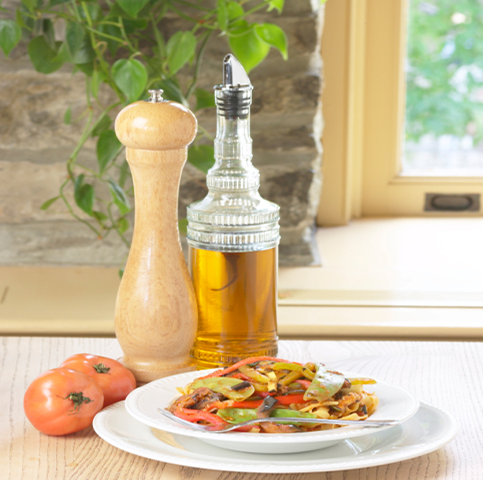
Metabolic syndrome is the presence of three or more of the following conditions…
- Fasting blood sugar of 100 mg/dl or higher
- Systolic blood pressure of 130 mm Hg or higher and/or diastolic blood pressure 85 mm Hg or higher
- HDL cholesterol less than 40 mg/dl in men or 50 mg/dl in women
- Triglycerides of 150 mg/dl or higher
- Waist circumference 40 inches or greater for men and 35 inches or greater in women in the US
This “cluster” of factors known as metabolic syndrome doubles heart disease risk with a five-fold risk increase of developing Type 2 diabetes. Metabolic syndrome has also been connected to cancers, including prostate, breast, endometrial, colorectal, and liver.
Metabolic syndrome affects 35 percent of US adults and 10 percent of adolescents.
Here are three steps to counteract metabolic syndrome:
Continue reading
Beans Health Benefits: Eat Dry Beans, Peas, and Lentils for Heart Health
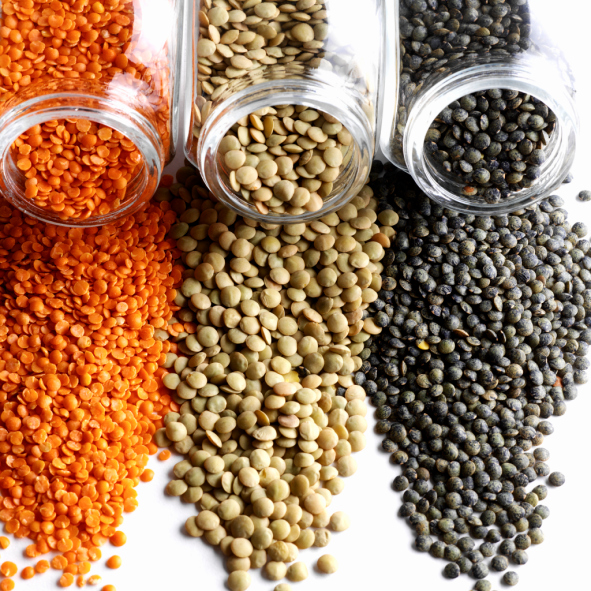 Dried beans, peas, and lentils include kidney beans, navy beans, chickpeas, Great Northern beans, black-eyed peas, split peas, and lima beans.
Dry beans, peas and lentils are a very economical option for adding protein and nutrients to your diet with a 1-pound costing an average of $0.15 per serving for dry beans and between $0.35 to $0.50 per serving depending on brand for canned beans.
Beans Health Benefits: Dry beans, peas, and lentils are highly nutritious
— Contain almost twice the protein of whole grains and all nine essential amino acids
— Provide both soluble and insoluble fiber
— Low in sodium. If prepared without added salt contain they contain almost no sodium. Canned options are higher in sodium. Select “low sodium” or “no added salt” options. Draining and rinsing canned beans, peas and lentils reduces sodium content by 41%.
— Contain almost no fat. Fat content depends on what is added during preparation.
— A plant source of iron. Plant iron sources are a little harder for the body to absorb. To boost iron absorption, combine with foods contains vitamin C.
— Rich source of magnesium, zinc, and potassium.
— Gluten-free