Heart HealthThe Yuka App: What It Gets Right (and Where to Use Your Own Judgment)
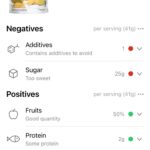
Last year I started scanning barcodes of foods when grocery shopping to try the Yuka app. When I scanned my favorite dried mangoes from Sam’s, I was very sad to see its score so low. Due to using Yuka and scanning more foods and looking closer at ingredients, I’ve changed some of my usual purchases. I actually rarely purchase dried mangoes now because it’s hard to find options in my area that don’t have all the added sugar, preservatives, and processing.
Continue readingLower CholesterolHow to Read Food Labels for Fat and Sodium
You know you should be reading food labels, but what’s the point if you don’t know what you’re looking for? Let me give you a few guidelines you can follow to make food labels work for you.
1. Select foods with less SODIUM than the following amounts per serving:
Frozen or packaged dinners – 500 mg
Microwave Popcorn – 350 mg
Desserts & Cookies – 250 mg
Cheese – 200 mg
Chips, Pretzels – 200 mg
Bread, Crackers, Rolls – 140 mg
2. Select foods with less FAT than the following amounts per serving:
Frozen dinners – 10 g
Cheese – 5 g
Microwave Popcorn – 5 g
Lunch Meat – 3 g
Soup – 3 g
Snacks – 3 g
Bread, Crackers, Rolls – 3 g
Frozen yogurt or Sherbet – 2 g
Remember, when reading labels look at the serving size. A serving size is not necessarily an entire can of food. If a can contains 3 servings and you eat 1 can, you need to multiply the sodium or fat per serving times 3. For example, I have a can of chicken noodle soup with 920 mg of sodium per serving and 6 servings per can. If I eat the entire can, I consume 5520 mg of sodium (920 x 6). If you want a refresher on how much sodium you need everyday, review the post – Reduce Salt to Lower Blood Pressure.
All the best,
Lisa Nelson RD
Heart Healthy Tips
http://www.hearthealthmadeeasy.com