2009 Essential Wellness Telesummit – Be Happy, Healthy, and Wealthy
Liz Copeland has brought together leading international experts and authors in the fields of health, happiness, and life enrichment to bring you the 2009 Wellness Telesummit! Join us to learn about essential wellness!
Join Liz and three other experts for a FREE 4-day Telesummit to guide you to:
- forgiving the unforgiveable to gain perfect freedom
- shedding the inner and outer clutter – so you can have love, health and financial abundance
- be heart healthy and live long
- overcoming the number one diet-sabotage habit so you can be the shape of your dreams
Click here to register now, for FREE:
The Telesummit begins Monday, April 20, 2009.
All the best,
Lisa Nelson RD
Be Heart Healthy and Lose Weight
Reduce Heart Failure with Weight Loss and Activity
 The Physician’s Heart Study followed over 21,000 between the ages of 40 and 84 for over 20 years. They found a significant link between weight, activity, and heart failure I want to share with you.
Both weight and physical activity were independently linked to risk of heart failure.
Weight
Having a high BMI increased heart failure risk in both active and sedentary men. For every additional 7 pounds on a man 5 foot 10 inches tall, risk for heart failure increased 11%.
Physical Activity
Vigorous physical activity reduced heart failure risk in lean, overweight, and obese men. Men that exercised vigorously only 1-3 times a month reduced their heart failure risk 18%. The more frequent and vigorous the exercise the greater the benefit. Very active men, exercising vigorously 5-7 days per week reduced heart failure risk 36%.
The combined risk of obesity and physical activity is substantial. When compared to lean men who were vigorously active 1-3 each month risk of heart failure increased 19% for men that were lean (BMI less than 25), but inactive, 49% in overweight active men, 78% in overweight inactive men, 168% in obese active men, and 293% in obese inactive men.
Key point I want you to take from this post:
This study shows a little activity has substantial benefits. By being vigorously active just 1-3 days each month you can cut your risk 18%.
Get moving!
February is American Heart Month. In recognition of American Heart Month you can access Heart Health Made Easy at a 25% savings. Learn more about this take action guide to lower cholesterol and blood pressure at http://www.hearthealthmadeeasy.com.
All the best,
Lisa Nelson RD
Be Heart Healthy and Lose Weight
Lower Cholesterol – If HDL is high do you worry about an elevated LDL level?
Here’s another question I asked Dr. Cynthia Shelby-Lane and her answer.
Lisa Nelson RD: If you have a patient with a high HDL level, let’s say an HDL greater than 80; are you concerned if their LDL level is elevated??
Dr. Shelby-Lane: New research has revealed that LDL or “bad” cholesterol inhibits the breakdown of fat in adipocytes, or fat cells, thus suggesting that it is a regulator of fat stores.
This new knowledge gives you three important areas to work on to not only boost your HDL number but to also boost your HDL quality. It is interesting indeed that HDL-building nutrients like niacin and pantethine also help lower triglycerides and improve cardiovascular health, giving more proof to this new field of emerging HDL science.
Key nutrients that support HDL are:
- Niacin: Niacin has been shown to directly boost your levels of apoA-I while lowering triglycerides. I recommend non-flushing inositol hexanicotinate.
- Pantethine: Pantethine provides the energy to help form HDL, while also providing energy to assist triglyceride and LDL cholesterol metabolism.
- Phosphatidyl Serine: This nutrient contains a mix of the key phospholipids that are often lacking in the diet and are needed to construct the healthy cell membrane of HDL.
Along with HDL-building nutrients it is vital to take anti-inflammatory nutrients to calm down immune cells that are inducing free radical damage to the apoA-I protein. The basis of this approach is a diet rich in fruits and vegetables. Many nutrients may be of assistance. Some top choices include grape seed extract, resveratrol, tocotrienols (vitamin E), vitamin C, DHA, pomegranate, and blueberries. Stress management and getting adequate sleep are essential.
Ensure your fasting blood sugar never gets above 90. If it is, use “anti-glycating” nutrients that help protect your HDL from sugar-induced damage. Top choices include R-alpha lipoic acid, grape seed extracts, and resveratrol.
HDL cholesterol is a pivotal molecule that protects your circulation and directly manages its health. It is no longer adequate to simply have an HDL score above 40. You need high quality HDL – HDL that is energized and ready for duty.
Lisa Nelson RD: So, if you have an individual with an HDL of 88, do you take action if their LDL level is elevated at 145? Or are you less concerned, due to the protective effects of the high HDL level?
Dr. Shelby-Lane: This requires further testing with an expanded lipid profile to determine risk and treatment options. (See my answer to question number 7 to learn more about the expanded lipid profile test.)
February is American Heart Month. In recognition of American Heart Month you can access Heart Health Made Easy at a 25% savings. Learn more about this take action guide to lower cholesterol and blood pressure at http://www.hearthealthmadeeasy.com.
All the best,
Lisa Nelson RD
How to Lower Cholesterol in 8 Simple Steps
Lower Cholesterol – Do you need to treat a low HDL level?
Here’s another question I asked Dr. Cynthia Shelby-Lane and her answer.
Lisa Nelson RD: Should individuals with low HDL levels receive treatment even if all other levels are normal?
Dr. Shelby-Lane: According to ScienceDaily (May 29, 2005) — High circulating levels of the “good cholesterol” HDL are associated with decreased risk of cardiovascular disease. HDL helps the liver excrete extra cholesterol by binding to a receptor in the liver called scavenger receptor-BI (SR-BI). However, the signaling events between HDL and SR-BI that afforded heart healthy benefits were not known.
In a study appearing online on March 24, 2005, in advance of the April 1, 2005 print edition of the Journal of Clinical Investigation, Philip Shaul and colleagues from the University of Texas Southwestern Medical Center examine the following pathway:
The authors show that HDL activates an enzyme called eNOS and sets off a cellular signal that depends on cholesterol efflux and two intact domains of SR-BI — the transmembrane domain and its cytoplasmic tail. These regions of SR-BI may serve as “cholesterol sensors” which set into motion cellular events to activate eNOS. This may be the mechanism responsible for the ability of HDL to reduce cardiovascular disease risk.
Lisa Nelson RD: Again, let’s clarify. If an individual has low HDL levels they should seek treatment even if all other cholesterol levels are normal. Correct? Correct?
Dr. Shelby-Lane: Again, a low HDL is an isolated risk factor and should be included in the overall health picture, and can be modified with diet, nutrition, and some newer drugs.
February is American Heart Month. In recognition of American Heart Month you can access Heart Health Made Easy at a 25% savings. Learn more about this take action guide to lower cholesterol and blood pressure at http://www.hearthealthmadeeasy.com.
All the best,
Lisa Nelson RD
How to Lower Cholesterol in 8 Simple Steps
Heart Health – Is fish oil safe?
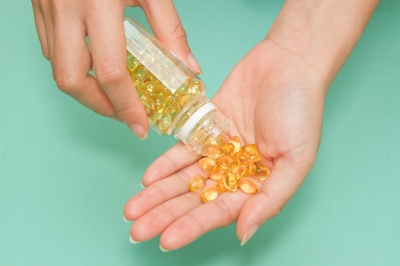
Fish oil supplements are a great alternative for people that do not eat fish often to boost their omega 3 intake and promote heart health.
There’s been some media speculation about possible contaminants, such as mercury, within fish oil supplements. However, good news if you supplement fish oil, there are minimal contaminants within the supplements!
There have been several studies, specifically a report by ConsumerLab.com and Harvard Medical School, finding no mercury or PCBs within over 40 popular fish oil supplements. Fish oil is typically taken from fish, such as cod and sardines, that do not contain high levels of mercury. Also, many manufacturers distill the fish oil to remove contaminants.
All the best,
Lisa Nelson RD
Image courtesy of Praisaeng / FreeDigitalPhotos.net
Heart Health and Weight Loss – Has the economy changed your eating habits?
The Consumer Spending Behavior Study conducted September 2008 reported some interesting statistics:
- 43% were eating out less often than they used to.
- 39% were eating at less expensive restaurants.
- 35% had started packing a lunch for work.
- 35% were eating at fast-food restaurants less often.
- 32% had started using coupons.
- 32% had started eating more leftovers.
- 32% were buying more store-label groceries instead of name brands.
- 30% were ordering less food when they went out to eat.
- 22% were drinking tap water instead of soda and noncarbonated drinks.
- Less than 10% had switched to a less expensive brand of alcohol or beer.
Have you changed your eating habits?
February is American Heart Month. In recognition of American Heart Month you can access Heart Health Made Easy at a 25% savings. Learn more about this take action guide to lower cholesterol and blood pressure at http://www.hearthealthmadeeasy.com.
All the best,
Lisa Nelson RD
Be Heart Healthy and Lose Weight