Heart HealthLow Calorie Sweeteners in a Heart Healthy Diet
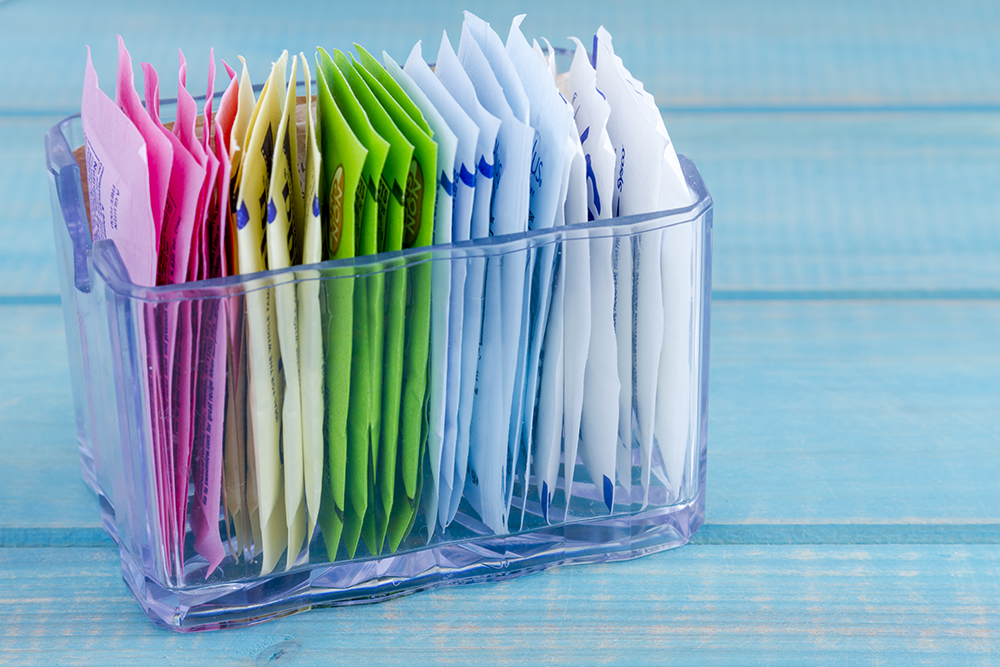 The 2015-2020 Dietary Guidelines for Americans recommends a reduced intake of added sugars to less than 10% of total daily calories. If you consume a 2000 calorie diet, this is equal to less than 12.5 teaspoons of added sugar. The average American consumes 19.5 teaspoons of daily.
The guidelines noted available scientific evidence finds FDA-approved no calorie sweeteners to be safe for the general population and an option for reducing added sugar intake.
In order for a low calorie sweetener to be identified as safe for the general population, it must undergo a wide range of tests to determine adverse effects at any dose during different stages of the life cycle. The level connected to an adverse effect must be identified to then define an amount that is without effect.
Whether or not a sweetener is approved for use in food products and beverages it must be proven safe for pregnant women and children.
The following low calorie sweeteners have been approved as safe:
Aspertame
Saccharin
Stevia
Sucralose
Low calorie sweeteners have been controversial with concerns about connections to weight gain, increased sweet cravings, and altered gut flora.
A lot of the controversy has been spurred by associations in observational studies being misinterpreted, inappropriate data extrapolations from research, and/or experimental protocol not being physiologically relevant.
Continue reading
Heart HealthHealth Benefits of Sprouts and Shoots
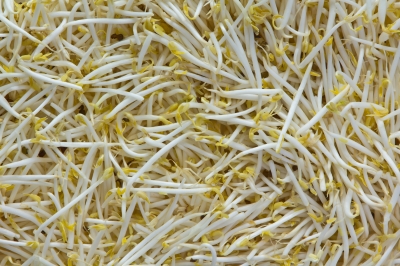 Not only do shoots and sprouts add flavor and texture to meals, they also contribute needed nutrients. Bean sprouts are typically more calorie dense than seed sprouts, but they also contribute more protein.
Research into the health benefits of shoots and sprouts is limited. However, recent studies are examining the anticarcinogenic and antioxidant powers of sulforaphane, a compound in sprouts. There is up to 100 times more sulforaphane in broccoli sprouts than mature broccoli.
Animal studies have seen sulforaphane inhibit breast cancer steam cell and prostate tumor growth, while decreasing oxidative damage.
A small study found bamboo shoots to lower cholesterol and LDL cholesterol levels.
Buying sprouts and shoots
Popular sprouts include mung beans, wheat, radish, broccoli, and alfalfa.
Popular shoots include pea vines and bamboo.
You will generally find a large selection of shoots and sprouts at your local farmers market and Asian stores.
Select shoots and sprouts that are plump and crisp. Avoid stringy, discolored, slimy, or limp shoots and sprouts.
Heart HealthVitamins – Do You Need a Multivitamin?
 Multivitamins are marketed as a form of insurance to ‘bridge the gap’ between what you consume and what you need to ensure your needs are met. There’s much debate on whether or not multivitamins are truly beneficial and the potential for them to cause more harm than good.
One Size Does Not Fit All
Everyone’s nutritional needs are different. A man does not have the same nutrient needs as a woman, a child does not have the same needs as an adult, a pregnant woman does not have the same needs as a post-menopausal woman, etc.
If you go to the vitamin aisle you’ll see all the options tailored to meet the needs of different groups. For example, you’ll find Centrum Silver, Flintstones chewables, and Men’s One-A-Day. However, nutrient needs are more specific to the individual. The standard daily value that meets the needs of one individual may be too high or too low for another, even within the same group/category.
No Standard Formula
Heart HealthRed Meat and Heart Disease: Good or Bad For Heart Health?
 Questions surrounding the consumption of red meat and its contribution to heart disease has led to varied research. A main source of the nutrient choline is red meat and carnitine is derived of amino acids which are protein building-blocks. Red meat is a rich source of protein. Hence this exploration into whether or not we have another reason to reduce red meat consumption.
What is choline?
Choline is a nutrient that plays a role in liver function, normal brain development, muscle movement, nerve function, metabolism, and sleep. Choline is also involved in absorbing and removing fat and cholesterol from the body, reducing chronic inflammation, and the kidneys control of water balance.
What is carnitine?
Heart Health5 Effective Ways To De-Stress And Lowers Risk Of Heart Attack & Stroke

Guest post provided by resident counselor Lisa Walters.
Are you always stressed due workload at home and in your job? Do you feel a sting in your chest every time you are so much stressed? It’s high time that you learn how to de-stress before your heart suffers.
Studies have shown that stress increases your risk of heart attack and stroke by triggering the activity of the amygdala (fear center of the brain). It results to arterial inflammation, which can cause heart attacks. People who are highly stressed are prone to higher disease-causing white blood cells and an increase level of norepinephrine that can initiate heart attack.
Earlier, stress was only a biological response to life-threatening incidents. However, the modern days have made people produce the same biological reaction, even in simple daily activities. People are stressed on the road because of traffic, work presentation and even solving simple life’s issues.
Stress could lead to serious health problems if you will not learn how to manage it. Chronic stress can lead to high blood pressure, heart attack and excess weight.
Try these simple techniques that can help you de-stress before you become susceptible to stroke and heart attack:
1. Detach.
There’s a limitation for everything. You cannot walk out from stress without giving a pause to what’s causing it. Is it your demanding relationship, work, home, or family issues? Once in a while, detach from the actual scene and take time to breathe. If you cannot change the situation or the person, don’t you think it’s time to give up? If you have tried to fix the issue many times, but nothing worked it’s time to give yourself a break. Don’t stress yourself, you deserve to be happy than to face everyday problems.
2. Meditate.
Meditation has been used since the ancient times as a powerful tool to relax the body and mind. Focusing on your thoughts and breathing can lessen your risk of heart problems. You can also pray and do yoga to calm your mind and emotions.
Heart HealthSelenium and Heart Disease: Should you supplement selenium?
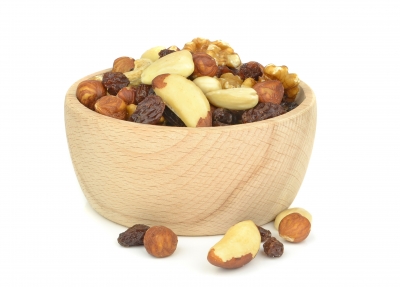 Selenium is a trace mineral found in soil and naturally present in many foods.
The recommended dietary allowance for selenium is the same for men and women at 55 micrograms daily for anyone 14 years of age or older.
Selenium plays a critical role in reproduction, metabolism, DNA synthesis, infection, and protection from oxidative damage.
Selenium and Heart Disease
A component of selenium works to prevent the oxidation of cholesterol particles, decrease inflammation, and prevent platelet aggregation.
This function of selenium led researchers to investigate whether or not selenium supplementation can be used to reduce cardiovascular disease.
Research resulted in conflicting results. Some research found people with lower selenium levels to have a higher risk of heart disease. Other research found there to be no connection and some even indicated high selenium levels were associated with an increased heart disease risk.