Guest post provided by resident counselor Lisa Walters.
Are you always stressed due workload at home and in your job? Do you feel a sting in your chest every time you are so much stressed? It’s high time that you learn how to de-stress before your heart suffers.
Studies have shown that stress increases your risk of heart attack and stroke by triggering the activity of the amygdala (fear center of the brain). It results to arterial inflammation, which can cause heart attacks. People who are highly stressed are prone to higher disease-causing white blood cells and an increase level of norepinephrine that can initiate heart attack.
Earlier, stress was only a biological response to life-threatening incidents. However, the modern days have made people produce the same biological reaction, even in simple daily activities. People are stressed on the road because of traffic, work presentation and even solving simple life’s issues.
Stress could lead to serious health problems if you will not learn how to manage it. Chronic stress can lead to high blood pressure, heart attack and excess weight.
Try these simple techniques that can help you de-stress before you become susceptible to stroke and heart attack:
1. Detach.
There’s a limitation for everything. You cannot walk out from stress without giving a pause to what’s causing it. Is it your demanding relationship, work, home, or family issues? Once in a while, detach from the actual scene and take time to breathe. If you cannot change the situation or the person, don’t you think it’s time to give up? If you have tried to fix the issue many times, but nothing worked it’s time to give yourself a break. Don’t stress yourself, you deserve to be happy than to face everyday problems.
2. Meditate.
Meditation has been used since the ancient times as a powerful tool to relax the body and mind. Focusing on your thoughts and breathing can lessen your risk of heart problems. You can also pray and do yoga to calm your mind and emotions.
 According to the
 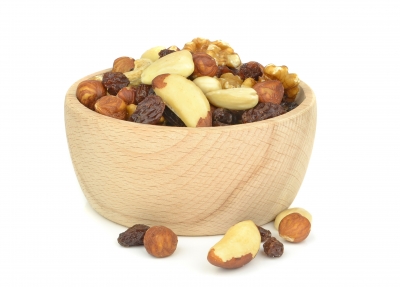 Selenium is a trace mineral found in soil and naturally present in many foods.
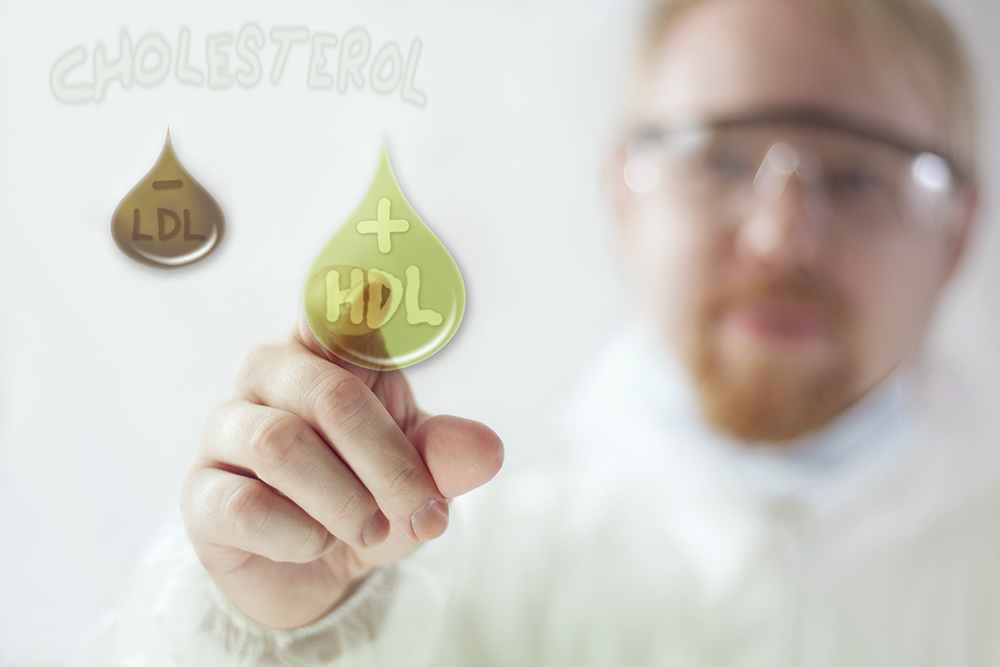 Cholesterol is not all bad.
 Here are nine easy ways to ensure you eat the recommended five to nine servings of fruits and vegetables every day.