While your ideal average blood pressure is below 120/80 mm Hg, blood pressure fluctuates throughout the day depending on what you are doing. Every time your blood pressure spikes does not necessarily equal a medical emergency.
Exercise
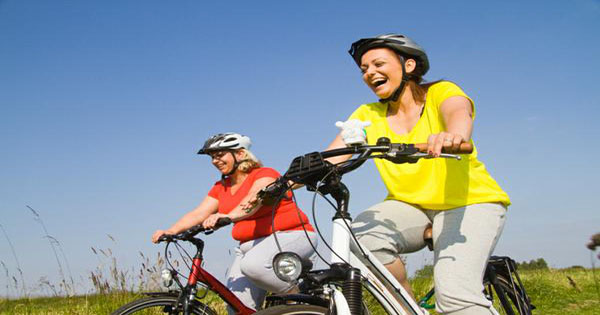
During exercise your muscles demand more oxygen. To meet this need, the heart must pump with increased force to deliver more oxygenated blood with each contraction. As the heart’s workload increases during exercise, systolic blood pressure increases. Systolic blood pressure is the top blood pressure reading and measures the force against artery walls when the heart pumps. It is normal for systolic blood pressure to range between 160 and 220 during exercise.
The diastolic blood pressure, or the bottom number, typically does not change during exercise. Diastolic pressure measures the force against artery walls in between contractions. If your diastolic blood pressure increases during exercise by more than 20 mm Hg or becomes greater than 100 mm Hg, stop exercising and consult your doctor.

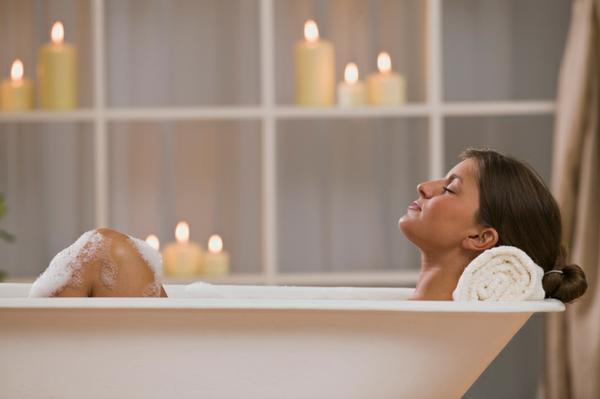 For centuries, water has been used as a treatment for a wide range of ailments. Today, hydrotherapy is still used as an important healing tool – leading people to seek relief from saunas, hot tubs, and even just at home in the shower or bath. Not only does water help cleanse the body and remove harmful toxins, the healing benefits of hydrotherapy can offer a natural solution to address a variety of health concerns.
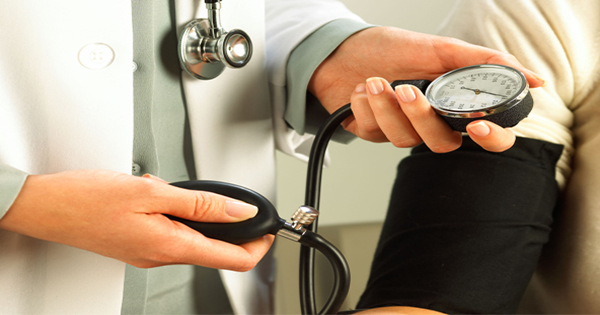 High blood pressure, or hypertension, does not always present with symptoms. You may have high blood pressure and feel perfectly fine. That is why it is important to regularly monitor your blood pressure to ensure you are within normal levels.