

When it comes to heart health, what you drink is just as important as what you eat.
Many adults struggle to consume enough fluids daily. A study using NHANES data found adults on average consume about four, 8-ounce glasses (32 fluid ounces) of water daily. The Institute of Medicine recommends approximately 91 ounces daily for women and 125 ounces daily for men. Exact fluid intake needs vary between individuals. Keep in mind these values, 91 and 125 ounces, account for ALL fluid intake throughout the day, not water alone. Fluid needs increase with exercise and hot climates.
Water is the most essential nutrient.
Water is needed for every cell in the human body to function properly. The body is comprised of 50 to 75% water. Water regulates body temperature, cushions and protects our joints and organs, aids in digestion, forms the basis of blood, and is contained in lean muscle, fat, and bone.
Continue reading

High cholesterol levels increase your risk for heart disease. Felicia D. Stoler, DCN, the author of “Living Skinny in Fat Genes”, shares some fresh ideas on how you can lower cholesterol at every meal.
Lisa Nelson RD: We can now find many grocery options with “cholesterol free” labeling. What does “cholesterol free” mean?
Dr. Stoler: In a nutshell, a food that says it is “cholesterol free” means it has NO animal products in it. It’s a bit misleading… for example, apples can say they are “cholesterol free”.
Lisa Nelson RD: Should consumers disregard “cholesterol fee” labeling? If so, what should they look at instead when selecting heart healthy products?
Dr. Stoler: I always tell people to look at calories, fiber, and fat. If it’s a food that has fiber, does it have the most (across brands) fiber per serving. When it comes to fat, does it have lower fat than other comparable products?
Lisa Nelson RD: What are some great breakfast tips to promote lower cholesterol levels?
 The waist-to-height ratio is used to measure body fat distribution. A higher ratio is related to increased risk of heart disease due to abdominal obesity.
Waist-to-height ratio and BMI are both popular screening tools for health risks connected to obesity. These methods are quick and cost efficient to use.
Researchers presenting a study with more than 2900 individuals at the 2015 European Congress on Obesity determined waist-to-height ratio measurements to be more accurate and more efficient for identifying heart disease risk when compared to using BMI alone.
When using BMI measurements, 41% of men and 29% of women in the study were classified as “normal”, but had waist-to-height ratios above normal. Researchers determine this would equal 12% of the population being misclassified as normal if only BMI measurements were utilized to assess risk.

This Dietary Approaches to Stop Hypertension (DASH) diet is recommend to manage high blood pressure. This diet is rich in fruits and vegetables. You need to consume between three to five servings of vegetables daily and between four to five fruits daily. That likely sounds overwhelming, but it can be effective in your efforts to lower blood pressure.
One vegetables serving is equal to 1 cup raw leafy green vegetable, ½ cup cut-up raw or cooked vegetables, or ½ cup vegetable juice.
One fruit serving is equal to 1 medium fruit, ¼ cup dried fruit, ½ cup fresh, frozen, or canned fruit, or ½ cup 100% fruit juice.
It’s the perfect time of year to adopt the DASH diet if you are struggling with high blood pressure. Many varieties of produce are in season and farmers markets are readily available.
3 Benefits of Shopping at Farmers Markets
Tips for Shopping at Farmers Markets
Shopping at a farmers market is not the same as going to the grocery store.
Continue reading
 According to a study published in the Journal of the American College of Cardiology, being regularly active delayed age-related cholesterol increases in men by up to 15-years.
Research indicates high cholesterol is a risk factor for heart disease. Regular physical activity can reduce this risk. Being physically fit reduces arterial build-up by lowering LDL cholesterol levels while increasing HDL cholesterol. It also lowers other risk factors for atherosclerosis and blood clots, such as diabetes, obesity, high blood pressure, and stress.
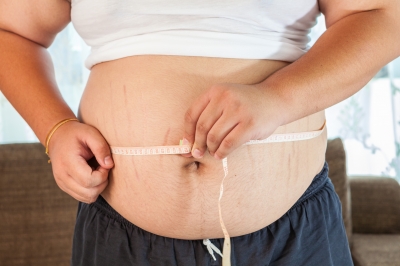 Individuals who move to poorer neighborhoods tend to gain weight. This statement is based off a study published in the American Journal of Preventive Medicine.
Their have not been very many studies reviewing data from the same individuals over a period of time to evaluate the connection between environment and obesity, which is why researchers for this latest study wanted to examine the long term impact of moving to a poorer neighborhood on weight gain in connection to cardiovascular risk.
A group of 3000 Dallas County, TX residents with ages ranging between 18-65 years-old were followed for 7 years. Data was collected at the start of the study and at a 7-year follow-up. The data collected included self-reported medical histories, demographics, self-reported physical activity, and height, weight, and waist circumference measurements.
Continue reading