
I’ve been corresponding with a subscriber to The Heart of Health email. She shared an article with me related to her struggles with weight loss that I’d like to share with you. I agree with just about all her suggestions. It’s vital to love yourself before you lose the weight if you’re ever going to be successful and happy. The only point I disagree with is number 3. Yes, your weight loss struggle is personal; however, I think a show like “The Biggest Loser” can be very motivational for some individuals. Read on to learn more!
NINE TIPS FOR LIVING WELL BEFORE YOU LOSE THE WEIGHT
Niama Leslie Williams, Ph.D.
Copyright December 2008
for oprah
You may wonder why I dedicate this article to Oprah. I watched her show today, something I haven’t done since my days of daily addiction to her hour of power way back in 2000 when graduate school, warring faculty and a history of family trauma sent me back home–three thousand miles–with my tail between my legs.
I dedicate this article to Oprah because weight loss is never a permanent fix; addictions, however, are permanent fixtures waiting eagerly for any and every opportunity to spring from the shadows and once again seize control of your life, health, wealth, psyche and spirit. They literally lie in wait to destroy everything you love.
I feel Oprah’s struggle because I know that weight loss is not a battle, just as recovery from addiction is never permanent. Only a strong and relentless, tenacious even, belief in and dependence upon Your Creator, a force greater than one’s self, can relieve addiction.
We are not perfect, it will never be perfect, and we aren’t supposed to do it perfectly: that’s for angels, Oprah, not for humans.
Success and excellence, nevertheless, are always possible, and it is in that direction, helping us to live healthily and well in all areas of our lives, that I give this article to every man, woman, or child who has struggled with the weight loss demon. He really is a small, egotistical little imp who lives to make us believe we will never win. Think Napoleon on steroids and you have some conception of the Weight Loss Demon.
You can whip his narrow little self into submission with the following Nine Tips For Living Well BEFORE You Lose the Weight:
1. Self-care is essential.
If you’re too tired after showering or bathing to put lotion on every day, begin by doing it when you have a special event and take the time to FEEL your skin expand and relax as you moisturize it. At 413 plus, I was often exhausted after showering, and the idea of then slathering lotion all over my body? Yeah, right.
What changed? I began to feel, focus on and FEEL, my skin’s reaction to the lotion. Once I began to tune in and understand how much my skin appreciated that oh so necessary extra step, I became willing to take care of myself in that significant way. And boy, did my legs ever look fine at the end of the day, all nice and brown and NOT ashy!
2. LOOK at your body naked.
If you don’t begin to look at your body naked NOW, you won’t be able to see or trust what you see when you notice your body becoming slimmer. Look at yourself; get to know your image without clothes on. You will find body parts and areas that you come to love, and when they start shrinking, your smile will get wider and wider and wider. The pride you feel will be genuine.
3. Weight loss is neither a competition nor a spectator sport. I am not in this for humiliation.
I have yet to watch The Biggest Loser, and I am proud to say so. My journey is not spectacle nor is it cheap, vicarious entertainment. I’m serious and weight loss is serious. Respect me and respect my story.
4. I am not here for your approval.
Weight loss is TOUGH, so doing it for someone else’s approval is the road to disaster. DO IT FOR YOU. Do it because you want to be healthy and live longer, not for those skinny jeans. Think about it: once you achieve that first pair of skinny jeans, then what?
5. Recognize that weight loss is an INSIDE job that will touch on my deepest fears and know what those fears are.
My number one fear is of being thinner! Yes, I have moments of looking in the mirror, seeing my body shrinking AND BEING AFRAID. It’s tough, but I talk to myself and remind myself that THERE IS NOTHING TO FEAR. I’m just afraid of the unknown, and thin, for me, is the unknown.
6. Before, during and after losing weight, associate with those who support you; drop those who don’t.
This one couldn’t be simpler, and yet many of us tank because we don’t follow such sage advice. My mother tried to lose weight thousands of times during her marriage, and finally noticed that when she was doing well on her diet, my father would suddenly bring home ice cream. I’m sure that had nothing to do with their divorce when I turned seven. You know who your saboteurs are, and it won’t take much introspection to determine their motivations. If you can’t get them out of your life, talk with friends or a therapist about removing the power from their actions. Your life, and your weight loss, are with it.
7. Move. Move in ways and doing things that give you pleasure.
a. I love to shop. I feel true delight in going up and down each aisle, surveying the goods and their respective prices, determining what strikes my fancy as well as what is an exceptional bargain. I love beautiful things and quality products and finding them at the best price is a heady experience. And the walking!!!! I have accomplished more miles up and down the aisles in Genuardis and Wal-Mart, Target and Impact Thrift than any stressed out woman on a treadmill in L.A. Fitness! And I enjoyed myself at the same time! Can’t wait to do it again.
b. Then there is yoga. When I lived in L.A. from 2000-2003, my budget could stretch to afford private yoga instruction. Please buy my books so that I can return to that particular heaven. Until private yoga, I forgot that my body LIKED movement, liked standing while I did the dishes, liked standing while I cooked and chopped and steamed dinner, liked the FEELING of experiencing and reacting to physical stressors.
c. The most important part of this tip? Be IN your body when it’s moving. Be psychically present as your body experiences movement. Be conscious, emotionally, physically, and spiritually when your body is moving. You will be surprised by what it communicates.
8. Practice being IN your body.
a. I love doing this when I am being hugged. There is nothing like feeling every sensation when someone—and not just a lover—is embracing you. Be fully aware the next time you are hugged. If you are comfortable and the person really means it, the smiles will not be able to stay away from your face.
b. Practice healthy sensuality; it is the first step toward getting carnal satisfaction from activities other than food/eating, but you must be IN your body when you practice. Consciousness when in the body really is quite a cool thing. That’s why the angels sometimes envy us.
9. Practice NOW.
Living NOW. Being NOW. Rewards NOW, not after you lose the weight. If you can do it NOW, you will do it consistently, and consistency and regularity are the hidden keys to successful weight loss.
Live now, and love yourself in the process!
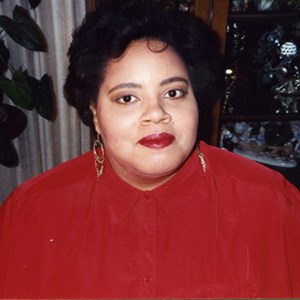
Niama Williams, Ph.D.
All the best,
Lisa Nelson, RD, LN
eNutritionServices
Do you find yourself watching TV in the evenings with the mandatory back of chips, crackers, or whatever your favorite snack is, and mindlessly munching away? If you are ready to be heart healthy and lose weight start by closing your kitchen! That’s right, pick a time each evening when the kitchen is off limits and stop the mindless late night snacking.
Does this sound impossible? If so, replace you typical snack with a cup of tea or other low calorie alternative.
Tip: Brush your teeth and you’ll be less likely to snack.
All the best,
Lisa Nelson, RD
eNutritionServices
New Year’s is just around the corner and you know what that means. . .New Year’s Resolution! Every year you set a goal to make a change for the better. This should be a time of great excitement; however, you may be approaching it with a sense of dread instead. Will you achieve your goal? Or will it end up being another resolution that falls to the wayside?
The statistics are not very encouraging. Most people give up on their New Year resolutions within three weeks. According to one discouraging study, only 8% of American’s actually achieve their New Year resolutions!
How will you keep yourself motivated and make this the year you achieve your goals?
Here are five key strategies to stay motivated:
1. Set realistic goals.
Set a goal you know you can achieve. If you are currently inactive, it’s unrealistic to set a goal to run 5 miles three times a week. Instead, set a goal you can achieve, such as “I will walk 30 minutes 3 days a week.” Realistic goals can be motivating because once you achieve your goal you can set a new one! This allows you to “see” the progress you’re making. Which brings us to the next important strategy. . .
2. Set measurable goals.
Measurable goals make it possible to track your progress. For example, instead of setting the goal “I will eat out less this year” change it to “I will eat out no more than once a week this year”. By setting measurable goals you can easily track if you are sticking with your goals.
3. Write your goals down.
Writing down your goals makes them “real” versus keeping a mental list. Post your resolution where you will see it everyday as a reminder and added motivation.
4. Tell a friend.
Share your goals with others. This provides a sense of accountability. It’s much easier to let yourself down, but when you’ve shared your plan with someone else, there’s often an increased desire to succeed.
5. Reward Yourself!
When you achieve a goal, reward yourself. It’s important to recognize your accomplishments and treat yourself. Just make sure your treat is in line with your goal. If you want to lose weight, this isn’t the time to treat yourself to an ice cream sundae. Consider other small rewards you’d enjoy, such as a good book, new music CD, or new pair of shoes.
You increase your chance of success if you take it one step at a time. I wish you all the best on your journey to heart health and weight loss!
Go to http://www.eNutritionServices.com to sign up for The Heart of Health ezine and receive regular tips from dietitian Lisa Nelson. You’ll also receive the free report “Stop Wasting Money – Take Control of Your Health” or the free course “How to Lower Cholesterol in 8 Simple Steps”.
I cannot stress the importance of breakfast enough. Yes, breakfast is an easy meal to skip. Serotonin levels are high, which means your appetite is low. However, if you think skipping breakfast is a great way to cut calories, you’re wrong. Research shows that individuals who skip breakfast tend to consume more calories throughout the day versus those who eat a well-balanced breakfast. Also, don’t forget the corresponding low metabolism from not jump starting your day with a healthy breakfast. All of which add up to higher unhealthy body mass index (BMI).
Keep it simple: Whole grain cereal topped with berries and low fat milk.
All the best,
Lisa Nelson, RD
eNutritionServices
When you peel fruits and vegetables you throw away a large chunk of its nutritional value. Such as a large dietary fiber loss when you throw out an apple skin, along with vitamin C, and various other minerals.
You may be tempted to throw out produce skins due to pesticides. Instead opt to thoroughly wash your produce to remove potential contaminants. If you are especially concerned, consider buying organic produce.
All the best,
Lisa Nelson, RD
eNutritionServices
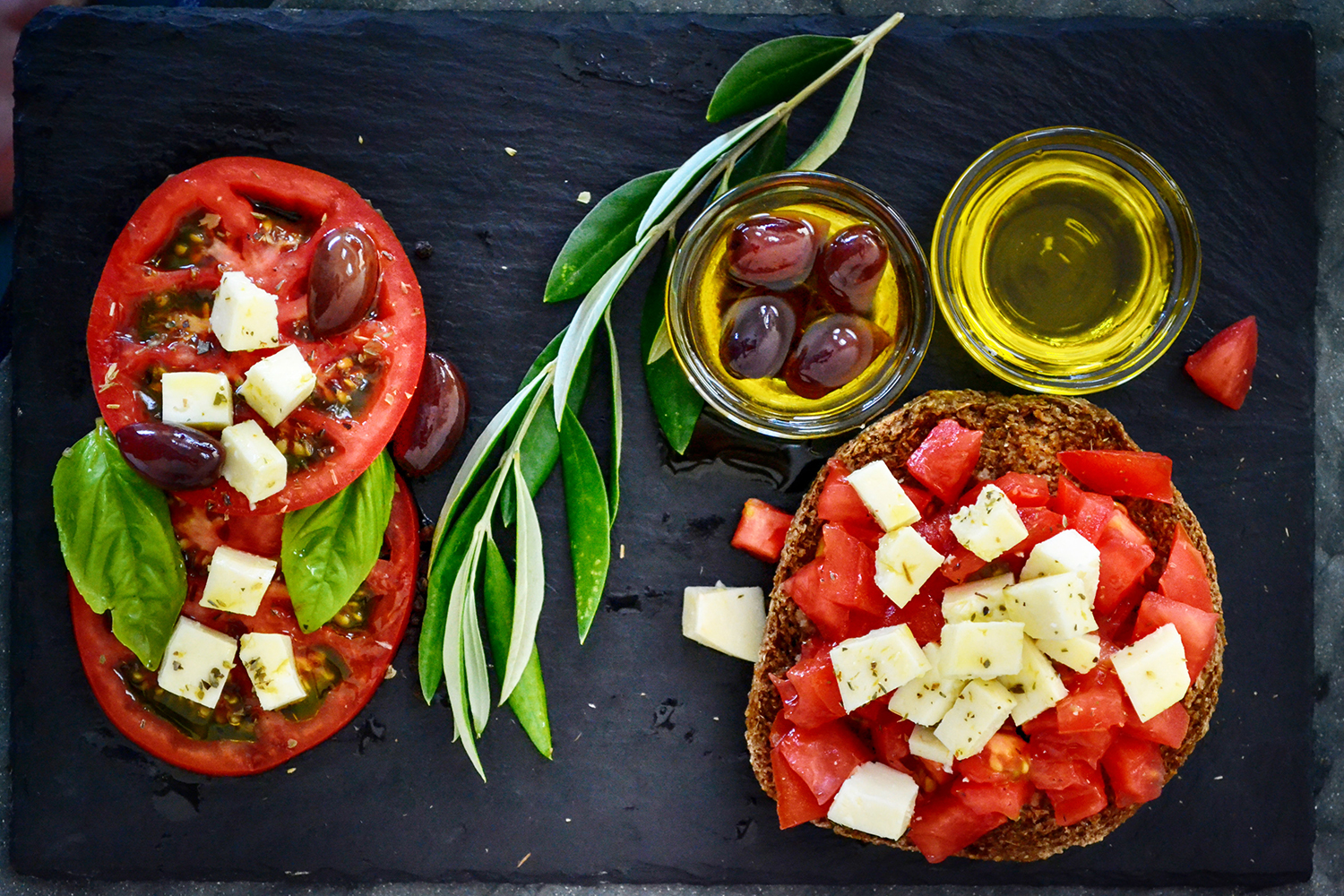
I’m sure you’ve heard of the Mediterranean Diet and it’s link to heart health. The Mediterranean Diet emphasizes fruits, vegetables, whole grains, fish, and monounsaturated fats (olive oil).
Those that follow a Mediterranean Diet have a reduced there risk of developing heart disease and dying from a heart attack. Even those that have survived a heart attack and lived to adopt the Mediterranean Diet significantly reduced their risk of a second heart attack and other complications.
In an interesting twist, the native Mediterranean population has gradually adopted a more Western diet leading to negative results. The Mediterranean area has seen an income rise that’s resulted in extra dollars being spent on meat and saturated fat food sources. Over the past 4 decades the average calorie intake in the Mediterranean countries has increased ~30%. So, the once healthy Mediterranean countries are now seeing the weight epidemics the US is familiar with – 75% of the population overweight or obese in Greece, with over half of the population in Italy, Spain, and Portugal following suit. These countries are now supporting the “Mediterranean Diet” as a part of their cultural heritage they can not let die.
Here’s a quick breakdown of the characteristics common to a Mediterranean Diet:
All the best,
Lisa Nelson, RD