Lose WeightWeight Loss – 4 Tips to Prevent Stress Related Weight Gain
Stress is linked to weight gain in that it stimulates the release of cortisol. Cortisol is a hormone that breaks down muscle to provide the body with needed glucose for energy needs. Cortisol also relocates fat cell deposits into the visceral cavities of the abdomen. Increased abdominal fat increases your heart disease risk.
Here are three tips to decrease stress related weight gain.
1. Push-ups
Effective, instant stress reliever that tricks the body into thinking your escaping stress. Push-ups cause your blood to circulate quickly, transporting cortisol to your kidney’s and removing it from your system.
2. Eat slowly
Stress typically leads to consuming meals very quickly, which equals bigger portions to fill full, and adds to your belly fat. Being mindful and eating slowly, savoring every flavor/texture, may actually lower cortisol, decrease your calorie intake, and move fat away from the abdominal area.
3. Avoid strict calorie restricted diets.
If you’re always “on a diet”, cortisol levels may rise as much as 18 percent. The rise in cortisol causes a blood sugar spike followed by a drop. This roll coaster ride makes your brain feel deprived of sugar (it’s main source for energy) and your ability to stick with a strict diet plan falters.
I’ll be sharing four more tips in a few days.
All the best,
Lisa Nelson RD
The Best Way to Lose Weight
Lose WeightLose Weight by Eating Breakfast
You’ve heard it before and you’ll hear it again – breakfast is the most important meal of the day. There’s just no way around it.
I frequently hear “I don’t have time for breakfast” and “I’m not hungry in the morning”, neither reason negates the importance of eating breakfast every morning. Maybe it’ll be easier to make breakfast a priority if you understand why it’s so important.
First, breakfast occurs after about an 8 hour fast (think how many hours are between your last meal of the day and breakfast). When you wake up in the morning, your blood sugar and glycogen stores (carbohydrates stored in your muscles and liver) are depleted and the body is searching for fuel. If you don’t feed your body it goes into conservation mode, drops your metabolism (the rate at which you burn calories throughout the day), preserves your fat stores (the body is thinking “starvation”), and will turn to muscle for the energy it seeks.
Second, when you skip breakfast you’ll frequently grab snacks mid-morning to tide you over until lunch. Usually, the snacks that tempt you are high in fat, sugar, and calories. A breakfast that includes a balance of protein, carbohydrates, and fiber reduces these mid-morning cravings.
What’s Going on Physically
Your body is primed and ready to go in the morning. Your metabolism is boosted and your hormones cortisol, adrenaline, and serotonin are highest first thing in the morning.
Cortisol
This hormone promotes the breakdown of lipids (fancy name for fats) which is a good thing; however, it also promotes the breakdown of muscle. It blocks muscle from taking in more amino acids (muscle building blocks) and inhibits new muscle formation.
Adrenaline
Your fight or flight hormone increases your blood sugar to give your body immediate energy by breaking down glycogen in the liver and mobilizing amino acids stored in muscles. However, I’ve already stated that by the time morning rolls around, your glycogen levels are depleted. This means there’s not a reserve glycogen supply and muscle receives adrenaline’s full attention for the fuel it’s after.
Serotonin
Just to throw an extra hurdle into your morning routine, serotonin is at peak levels first thing in the morning. Serotonin reduces your appetite. There’s a reason you don’t feel hungry!
Research Support
A recent weight loss study reinforces the importance of breakfast. Two groups of women were compared. The first group followed a low calorie diet (1200 calories) that included a balanced protein/carbohydrate intake. This first group ate 50% of their daily calories in the morning (600 calories). The second group followed a low calorie (1000 calories), low carbohydrate diet and ate 25% of their calories in the morning. The first group lost ~40 pounds over 6 months, while the second group lost ~10 pounds (28 pounds first 4 months, followed by 18 pound regain). These results support the fact that a substantial, well-balanced breakfast is essential for long-term weight loss success.
Tired of changes that don't last?
Quick and Easy Breakfast Lose Weight Ideas
What can you do if breakfast doesn’t appeal to you? If you’ve been skipping breakfast for years, changing your habits will be hard, but not impossible. Take it slow and add something small working your way up to a good breakfast with a balance of carbohydrates and protein.
Here are some examples of quick and easy breakfast meals that include a balance of protein and carbohydrates.
- Whole wheat toast with peanut butter
- Low fat cottage cheese with canned peaches (light syrup)
- Banana with handful of mixed nuts
- Whole grain cereal with low fat milk
- Apple with hard-boiled egg
- Low fat yogurt with granola
By eating a well-balanced breakfast you provide your body the fuel it needs, protect your muscles, boost your metabolism, and reduce cravings throughout the day.
All the best,
Lisa Nelson, RD
Lose WeightWeight Loss – How Stress and Cortisol Affect Weight Loss
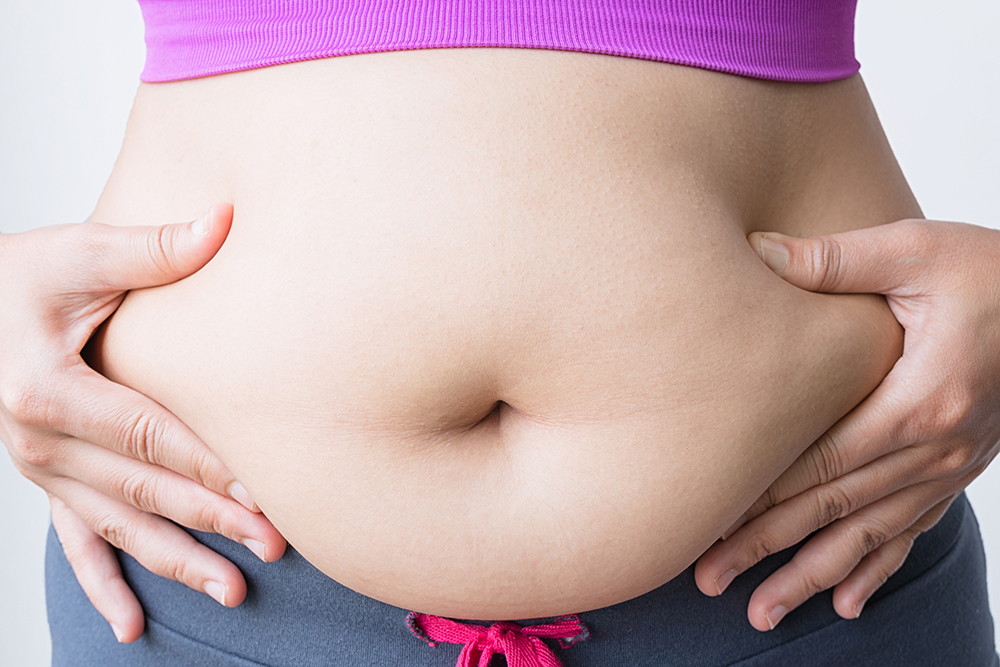
Do you struggle with extra fat around your midsection? Excess abdominal fat is not only visually unappealing to some, but it increases your heart disease risk.
What causes abdominal obesity?
There are many different reasons your body likes to store fat in the abdomen. I want to discuss one possibility – cortisol.Cortisol is a hormone made by the adrenal glands in the kidney. Cortisol levels are highest in the morning. Through gluconeogeneis (term for glucose production), cortisol breaks down muscle to provide the body with needed glucose for energy needs. Cortisol also relocates fat cell deposits into the visceral cavities of the abdomen.
When we are confronted with stress our body’s initial response is “fight or flight”. When we go into “fight” mode our body releases the hormone norepinephrine. When we respond with “flight” (or anxiety) our body releases epinephrine. If the stressful situation is long term and you begin to feel distressed and defeated, the hypothalamus in the brain becomes involved, eventually leading to the release of cortisol from the adrenal gland in the kidney.
Why is “fight or flight” important to understand?
Your perception of an event can determine your body’s physical response. Do you feel stressed, but challenged by an obstacle or do you feel overwhelmed and out of control? If you feel challenged and “fight” your body responds with an accelerated heart rate that increases the release of fatty acids into circulation. If you feel out of control and defeated (“flight”), the body increases fat formation (lipogenesis), breakdowns tissue (muscle), suppresses the immune system, and increases visceral fat deposits.
What is visceral fat?
Visceral fat is the fat around and between your organs. Subcutaneous fat is the fat layer beneath your skin.
Excess visceral fat leads to the “beer belly” effect (also referred to as the “apple” shape). Visceral fat is connected to insulin resistance and glucose intolerance (linked to diabetes), high cholesterol, high blood pressure, and heart disease.
Are you at risk?
Get out a tape measure.
Wrap the tape measure around your abdomen at the level of your navel (belly button). Make sure the tape measure is level all the way around (you may need extra hands). Resist the temptation to cinch in the tape measure for a lower number, instead hold the tape measure lightly against your skin.
Men – A waist measurement of 40 inches (102 cm) or greater equal’s abdominal obesity.
Women – A waist measurement of 35 inches (88 cm) or greater equal’s abdominal obesity.
How to reduce stress for minimal impact on abdominal fat and heart disease risk?
Stress is a part of living, but you can take steps to reduce your stress levels.
Physical activity, especially aerobic activity, is a great stress management tool. Activity releases the “feel good” hormone serotonin to help combat the negative effects of long term stress. As an added bonus, you burn calories to shed the extra layer of fat.
p>Additional interventions to reduce stress include deep breathing, progressive relaxation, meditation, and visualization. Don’t be afraid to step out of your comfort zone and try something new that may be effective at reducing your stress levels. Getting enough sleep and making healthy food choices are two additional steps to promote stress management.
Be sure to get a copy of the special report Stop Wasting Money – Take Control of Your Health to start on the path to heart health and weight loss!
Heart HealthHeart Health and Weight Loss – Has the economy changed your eating habits?
The Consumer Spending Behavior Study conducted September 2008 reported some interesting statistics:
- 43% were eating out less often than they used to.
- 39% were eating at less expensive restaurants.
- 35% had started packing a lunch for work.
- 35% were eating at fast-food restaurants less often.
- 32% had started using coupons.
- 32% had started eating more leftovers.
- 32% were buying more store-label groceries instead of name brands.
- 30% were ordering less food when they went out to eat.
- 22% were drinking tap water instead of soda and noncarbonated drinks.
- Less than 10% had switched to a less expensive brand of alcohol or beer.
Have you changed your eating habits?
Tired of changes that don't last?
All the best,
Lisa Nelson, RD
Lose WeightHeart Health and Weight Loss – How much fat do you need?

I want to talk about the fat in your diet. When it comes time to lose weight one of the first steps is to switch to a low fat diet. I want to caution you not to drop your fat intake too low. Yes, you need to watch the fat calories, but some fat is needed everyday for optimal health.
Fat is an essential component of a healthy diet providing energy and the fat soluble vitamins A, D, E, and K. Some types of fat even reduce your risk for certain chronic diseases, such as heart disease.
What’s important is the amount and type of fat. I recommend restricting fat intake to ~30% of your total daily calories. This would mean if you are consuming 1500 calories per day, 450 calories or 50 grams would come from fat sources.
Tired of changes that don't last?
Now, you need to make sure these fat sources are healthy. Here are examples of healthy fat sources to include in your diet in moderation:
- Olive oil
- Avocados
- Seeds
- Nuts
- Peanut butter
- Fish
Some fat in your diet actually promotes weight loss by helping you feel full longer, decreasing your likelihood to snack too much and overeat!
All the best,
Lisa Nelson, RD
Heart HealthPhysical Activity – How much do you really need?
As I previously mentioned, The Health and Human Services Department sets physical activity guidelines after reviewing a good decades worth of research related to physical activity and health.
This report encompasses everyone from the age of 6 and up. Let’s go into a little more detail on the adult guidelines.
Adult Physical Activity Guidelines
- All adults should avoid inactivity. Any type of activity is better than nothing. Adults who include activity as part of their everyday life gain some form of health benefit.
- To see substantial health benefits, include at least 150 minutes (2 ½ hours) per week of moderate-intensity activity. If times a factor, you can see the same benefits by bumping up the intensity and being vigorously active 75 minutes (1 hr. 15 min.) each week.Yes, it is still okay to break your activity into chunks.For example, if your schedule doesn’t allow 30 minutes at the gym, you can include a 10 minute brisk walk during lunch break to count towards the goal of 150 minutes for the week. However, workout segments less than 10 minutes in length are not as beneficial.
Also, the most benefit is seen by spreading your activity throughout the week. If you’re tempted to hit the gym for a power workout session on a Saturday for 2 ½ hours, that is not as beneficial as 30 minutes of activity 5 days out of the week. But, remember, any form/amount of activity is better than nothing!
- If you want to take things to the next levels, more extensive health benefits are seen when activity is increased to 300 minutes (5 hours) per week of moderate intensity activity or 150 minutes of vigorous intensity aerobic activity.
- Don’t forget strength training! You want to include all major muscle groups on two or more days each week. Especially beneficial as we age and see a decline in metabolism (and corresponding weight gain) if muscle mass is not maintained.
Now, don’t let yourself be overwhelmed and give up without even attempting to meet these guidelines. Activity does not have to be hard or expensive. You can walk your dog, go dancing, climb the stairs at work, mow the lawn, and go to the gym. There are many, many options available to get 2 ½ hours of physical activity every week.
All the best,
Lisa Nelson RD