habits that lower blood pressure

8 Lifestyle Habits That Actually Lower Blood Pressure and LDL Cholesterol
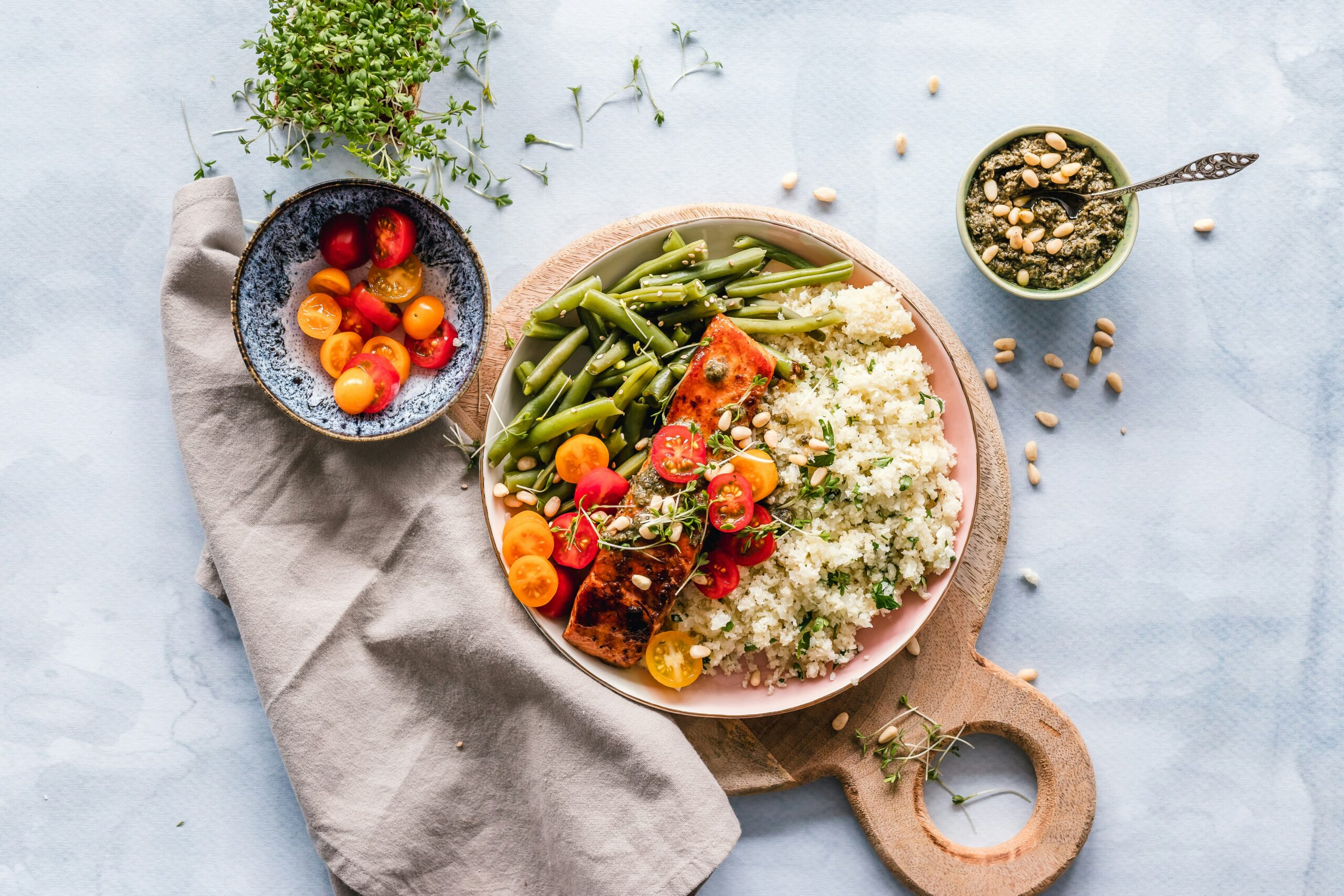
heart healthy meal with salmon and vegetables to lower blood pressure and cholesterol
Photo by Anna Pelzer on Unsplash

If you’re trying to lower blood pressure and cholesterol, you’ve probably encountered a long list of advice. Some helpful, some overhyped, and some confusing. Superfoods, detox programs, supplements that promise dramatic results overnight. How do you decide what is actually worth your time and energy?

Here’s the straightforward answer: the habits with the biggest payoff for blood pressure and LDL cholesterol aren’t flashy. They’re consistent, cumulative, and well-supported by decades of research. The American Heart Association (AHA) and the American College of Cardiology (ACC) have clear guidance on what moves the needle, and it comes down to eight core lifestyle habits.

No gimmicks. Just what the evidence actually shows.

Why Both Numbers Matter

Two of the most important lifestyle changes to lower blood pressure and cholesterol involve targeting these two markers directly. High blood pressure puts constant stress on artery walls. Elevated LDL contributes to plaque buildup inside those arteries. Together, they significantly increase the risk of heart attack and stroke.

The good news is that lifestyle changes can meaningfully improve both. And the habits that help are largely the same ones, making it practical to address both at once.

8 Lifestyle Habits to Lower Blood Pressure and Cholesterol

1. Follow a Heart-Healthy Dietary Pattern

Benefits: Blood pressure and LDL

No single food improves heart health on its own, but an overall dietary pattern makes a significant difference. Two patterns in particular have strong research support: the DASH diet and the Mediterranean diet.

The DASH diet – Dietary Approaches to Stop Hypertension – was specifically designed to lower blood pressure. It emphasizes fruits, vegetables, whole grains, low-fat dairy, and limits sodium, red meat, and added sugars. Research consistently shows it can reduce systolic blood pressure by 8 to 14 mmHg in people with hypertension.

The Mediterranean diet, rich in vegetables, legumes, whole grains, fish, and olive oil, has been shown to reduce LDL cholesterol and lower overall cardiovascular risk. Both patterns share a common foundation: more whole foods, less processed food, and better overall nutrition quality.

You don’t have to follow either plan perfectly. Moving your overall eating pattern closer to these models produces real benefits.

Continue reading