
Lower Cholesterol with 3 Diet Shifts
 Dietary changes can result in lower cholesterol levels. By making dietary changes to promote lower cholesterol levels you’ll be able to work with your doctor to gradually wean off medication and eliminate negative medication side effects. And the diet changes don’t have to be hard!
Here are three examples of simple diet shifts that will promote a lower cholesterol.
Diet Shift #1 – Replace eggs & bacon with oatmeal & fruit.
If your standard breakfast consists of cholesterol laden fried eggs and a side of fat (okay, bacon) swap this out for a bowl of oatmeal topped with fresh berries and ground flaxseed. The whole grain oatmeal will promote lower cholesterol levels, blood sugar control, and help you feel full longer. Antioxidant rich berries will help reduce the oxidation of LDL cholesterol that leads to plaque build up, while flaxseed is a rich source of heart healthy omega 3 fatty acids.
What equals 25 – 35 grams of dietary fiber?
I recently had an individual email me the following question:
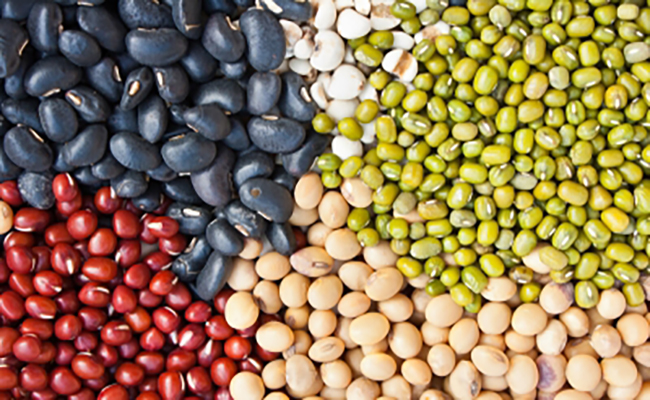
How much fiber do I need to eat to equal 25 grams? How many pieces of fruit, slices of bread, cups of barley or flaxseed? I can’t relate to 25 grams.
I want to share the answer with everyone. Read on. . .
How Much Dietary Fiber
You need to consume between 25-35 grams of dietary fiber daily. Of this, soluble fiber should make up 15 grams. For every 1-2 grams of daily soluble fiber intake, LDL (bad) cholesterol is lowered 1%.
The average US dietary fiber intake is 12-18 grams/day. If your current diet is very low in dietary fiber, do not increase to 35 grams overnight. A sudden increase will result in gastrointestinal (stomach) distress and unpleasant side effects (flatulence and diarrhea). You want to increase your intake gradually.
Top 5 Foods Containing Dietary Fiber
TLC Diet to Lower Cholesterol
 Are you familiar with the TLC diet? I was not, so when I saw this treatment plan to lower cholesterol I was interested to see what it was all about. Below I’ve shared a summary of the diet plan and a link where you can access more information.
TLC stands for Therapeutic Lifestyle Changes and consists of a three part program of diet, physical activity, and weight management.
Diet
Diet changes focus on reduces saturated fat, trans fat, and cholesterol in your daily intake. If you are overweight, you would also work to reduce your daily calorie intake.
Here are goal levels for nutrients on the TLC diet:
Walking for Heart Health Benefits
 Do you understand the importance of being regularly active to promote heart health? However, you know this and still remain sedentary? Is this because the thought of exercise makes you think of a gym membership, spandex, and everyone watching you try to use equipment you have no idea how to work? Well, here’s an alternative.
Simply taking a daily walk has many benefits without the risk of embarrassment.
Benefits of Walking Daily
- Decreases risk of heart disease or stroke.
- Lowers LDL cholesterol
- Increases HDL cholesterol
- Reduces blood pressure
- Increases daily calories burned (weight management)
- Decreases risk of colon cancer and diabetes (may protect against breast cancer)
- Decreases joint swelling and pain from arthritis
- Improves mood
- Improves stress management
- More energy
- Improves self-esteem
- Improves sleep quality
How Long of a Walk
Niacin–Statin Study Didn't Give Desired Results: Stopped Early
 The National Institutes of Health stopped a clinical trial studying a blood lipid treatment 18 months early. The study found that adding high dose, extended release niacin to statin treatment for patients with heart disease did not reduce cardiovascular events, such as heart attacks and strokes.
Study Participants
This study was referred to as AIM-HIGH (Atherothrombosis Intervention in Metabolic Syndrome with Low HDL/High Triglycerides: Impact on Global Health) and the 3414 participants were selected because they were at risk for cardiovascular events despite having a well controlled LDL cholesterol level. They were at increased risk due to a history of heart disease combined with low HDL cholesterol and high triglycerides. Low HDL levels and high triglycerides are both linked to increased risk of cardiovascular events.
Study participants were divided into two groups.
How to Lower Cholesterol with Oatmeal
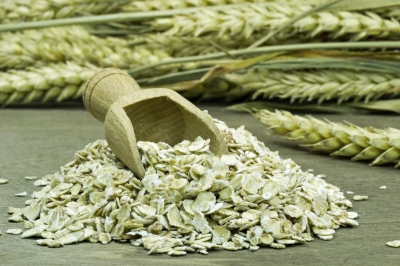
The whole grain oatmeal is linked to lower cholesterol, lower blood pressure, blood sugar stabilization, intestinal health and satiety.
Beta-Glucans to Lower LDL Cholesterol
1. Sponge.
Oats contain beta-blucan. Beta-glucan is a type of soluble fiber. Beta-glucan acts as a ‘sponge’, soaking up excess LDL cholesterol and removing it from the body. This is just one way beta-glucan works to reduce cholesterol absorption.
2. Decreases intestinal absorption of cholesterol.
Foods that contain beta-glucan tend to be bulky and cause the intestinal water layer to thicken and be more difficult for cholesterol molecules to penetrate and reach the intestinal cell layer for absorption into chylomicrons. Chylomicrons package cholesterol and carry it back to the liver where it is re-packaged and secreted as VLDL cholesterol. By reducing the amount of cholesterol that reaches the chylomicrons for absorption, beta glucan reducing circulating cholesterol levels.
3. High antioxidant content.