Heart HealthSupplements – How to Pick a "Whole Food" Supplement for Optimal Health
If you strive for optimal health, consider adding a whole food supplement to your daily regimen. However, you must be a savvy shopper to make sure you select a supplement that lives up to its claims, because many are a waste of money. Things to look for:
Continue readingHeart HealthHeart Healthy Tips – 3 Ways to Promote Heart Health Immediately
Heart healthy tips can be quite simple!
1. Use olive oil to prepare your meals.
Olive oil contains monounsaturated fat, which helps reduce LDL cholesterol. To receive the highest level of antioxidant benefits, select “extra-virgin” and “virgin” olive oils, the least processed forms. When you see the term “light” on olive oil labels, it indicates a reduced olive flavor.
Simple ways to use more olive oil:
- Sauté your vegetables in olive oil.
- Replace some of the fat in baked goods with olive oil.
- Use an olive oil based salad dressing.
- Flavor bread by dipping in olive oil.
Heart HealthHeart Disease – Is flax oil or fish oil better to reduce heart disease?
A recent study published this past September compared the benefits of flax oil versus fish oil in raising blood levels of heart healthy omega 3’s. Adequate omega 3 intake is linked to lower blood pressure, lower triglycerides, increased HDL cholesterol, and reduced arterial inflammation.
Flax oil contains the omega 3 fatty acid ALA (alpha-linolenic acid), while fish oil contains EPA (eicosapentaenoic acid) and DHA (docosahexaenoic acid). The benefits of ALA continue to be studied, but EPA and DHA have been positively linked to heart benefits.
The body can convert ALA to EPA and DHA, but it’s been well known that this conversion process is not efficient. According to a recent study published in Nutrition Reviews, 8-20% of ALA is converted into EPA. From this, only 0.5-9% is converted to DHA.
To test the benefits of ALA supplements (flax oil) in amounts commonly consumed, the study followed 62 firefighters. The participants were divided into 6 groups and monitored for 12 weeks. Here are the six groups:
1.2 grams of flax oil per day
2.4 grams of flax oil per day
3.4 grams of flax oil per day
0.6 grams of fish oil per day
1.2 grams of fish oil per day
Sunflower placebo
Results showed an increase of EPA and DHA in the blood for those taking both levels of fish oil supplements. The EPA levels in red blood cells almost doubled by the studies end.
Now, the flax oil supplements did not have the same result. Those receiving 1.2 grams of flax oil daily did not show a significant rise in EPA and DHA, only ALA. The 2.4 g and 3.6 g flax oil supplements increased ALA, EPA, and DHA levels. EPA was increased 30% with a 2.4 g supplement and 40% with 3.6 g of flax oil daily. However, there was no corresponding increase in DHA. This confirmed the original belief that conversion of ALA into DHA is minimal.
The results of this study support my recommendations related to omega 3 supplements. First, consume a diet rich in omega 3 fatty acids (i.e. fish, nuts, flaxseed). Second, select a fish oil supplement high in EPA and DHA. Choose a supplement with 850 mg of DHA and EPA per gram of fish oil. Third, if you do not tolerate fish oil, select a flax oil supplement providing at least 1 gram of omega 3 fatty acids daily.
Sign up for The Heart of Health ezine to receive regular heart health and weight loss tips from dietitian Lisa Nelson. Subscribers receive the free course “8 Simple Steps to Lower Cholesterol”.
All the best,
Lisa Nelson RD
Lose WeightBest Weight Loss Plan – Team Member #3
All right, we’ve covered two critical members of your weight loss team – your doctor and your nutritionist. We’re ready to talk about weight loss team member #3.
Personal Trainer
Healthy eating and physical activity go hand-in-hand if you want to successfully lose weight. But, how much cardio do you need? Should you be lifting weights? How often do you need to workout? How long do you need to workout? A personal trainer can design a fitness routine and make sure you’re doing the exercises correctly.
Meeting with a personal trainer can be pricey, but there are alternatives – phone and/or internet coaching for half the cost (or less). There are many programs online that allow you to enter information and download workout routines based on your information. Many programs also allow you to track your progress. For best results, I encourage you to consult with a trainer in person for one or two appointments. This will allow you to have a fitness assessment and time to discuss your goals with your trainer. The trainer will also go through the recommend workout routine with you to make sure you understand all activities and are using the correct form and technique. After this, you can check-in with your trainer via phone or email to monitor program and answer questions. Some trainers even review video footage of workouts.
Don’t worry that working with a trainer means you have to have a gym membership. Trainers can develop a program for you at a gym or based in your home. You can get in a great workout anywhere – gym, home, park, etc.
Another lower cost option would be group training in which a small number of people work with a trainer at one time.
Just as with a nutritionist, make sure your trainer is qualified and has a current certification from a respected organization, such as the American College of Sports Medicine.
Weight Loss Team Member #1
Weight Loss Team Member #2
Weight Loss Team Member #4
All the best,
Lisa Nelson RD
Top 5 Key Strategies to Lose Weight Permanently
Heart HealthHeart Disease – Use the Mediterranean Diet to Lower Heart Disease
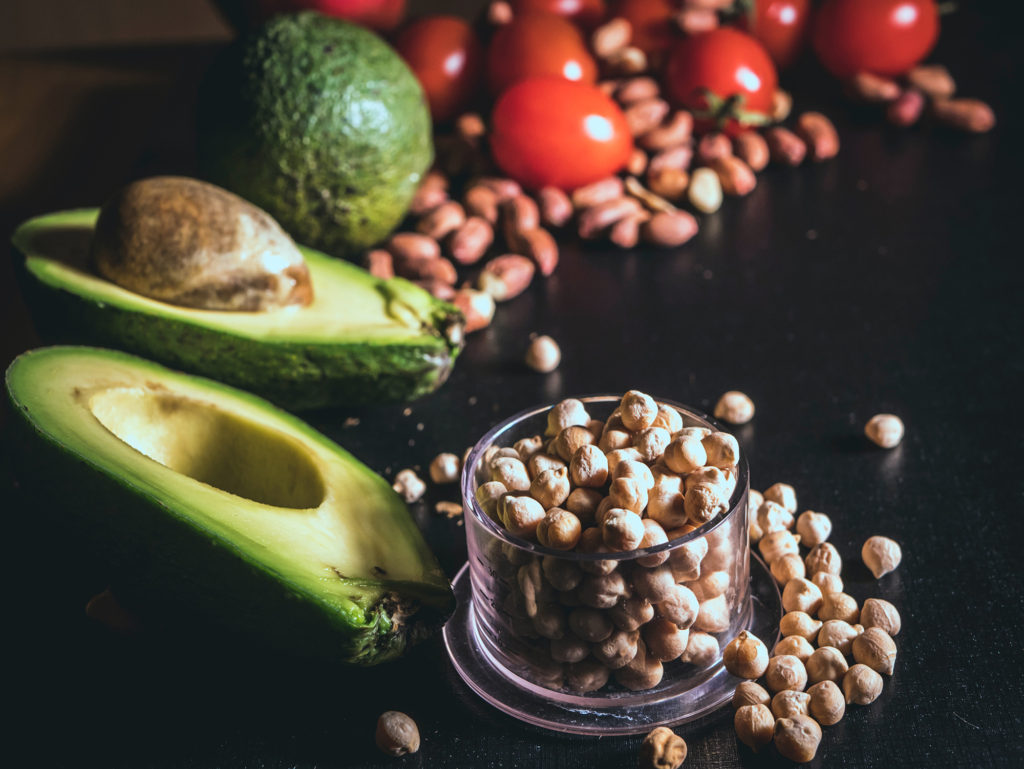
I’m sure you’ve heard of the Mediterranean Diet and its’ link to heart health. The Mediterranean Diet emphasizes fruits, vegetables, whole grains, fish, and monounsaturated fats (olive oil).
Those that follow a Mediterranean Diet have a reduced risk of developing heart disease and dying from a heart attack. Even those that have survived a heart attack and lived to adopt the Mediterranean Diet significantly reduced their risk of a second heart attack and other complications.
In an interesting twist, while many westerns try to follow a Mediterranean diet to reduce heart disease, the native Mediterranean population has gradually adopted a more Western diet. The Mediterranean area has seen an income rise that’s resulted in extra dollars being spent on meat and saturated fat food sources, leading to the negative results those of us in the U.S. are all too familiar with. Over the past 4 decades the average calorie intake in the Mediterranean countries has increased ~30%. So, the once healthy Mediterranean people now face increasing weight epidemics – 75% of the population overweight or obese in Greece, with over half of the population in Italy, Spain, and Portugal following suit. These countries are now supporting the “Mediterranean Diet” as a part of their cultural heritage they can not let die.
Here’s a quick breakdown of the characteristics common to a Mediterranean Diet:
- Consume high intake of fruits and vegetables
- Select whole grains
- Consume healthy fats (olive oil)
- Eat nuts in moderation
- Low red wine consumption
- Limit eggs to less than 4 times per week
- Consume little red meat
- Eat fish regularly
Let’s get into more specifics.
Fruits, vegetables, and whole grains
A high intake of fruits, vegetables, and whole grains reduces LDL (the “bad”) cholesterol that leads to a build-up of arterial plaque. Grains in the Mediterranean region are whole grain with very little unhealthy trans fats. Breads in the Mediterranean region are typically eaten without butter or margarine.
Healthy Fats
When following a Mediterranean diet you need to choose fats wisely. Include monounsaturated fat and polyunsaturated fats. Sources of these healthy fats include olive oil, nuts, and fish. The Mediterranean diet approach does not include a high saturated fat intake or trans fatty acids, both of which contribute to heart disease.
Olive oil – provides monounsaturated fat, which helps reduce LDL cholesterol. To receive the highest level of antioxidant benefits, select “extra-virgin” and “virgin” olive oils, the least processed forms. When you see the term “light” on olive oil labels, it indicates a reduced olive flavor.
Nuts – high in fat and calories, but low in saturated fat and depending on the nut you select can be a good source of heart healthy omega 3 fatty acids (i.e. walnuts). Eat in moderation due to high calorie content and limit the heavily salted nuts or honey roasted.
Wine
Red wine can have a similar affect to aspirin in that it reduces blood clotting. Red wine also contains antioxidants. If you’ve been following my posts, you know that I am not a supporter of using alcohol to reduce heart disease risk. If you already drink wine, continuing to do so in moderation (less than 4 ounces of wine per day) may be beneficial. If you do not currently consume wine, I do not recommend you start. Too much wine will counteract your good intentions and lead to additional complications, such as increased blood pressure.
Omega 3’s and Fish
Increase your intake of heart-healthy omega 3 fatty acids, which are linked to reduced triglycerides, reduced arterial inflammation, lower blood pressure and high HDL (good) cholesterol. Include fish (I don’t mean battered and fried) as a regular part of your diet in place of the more typical red meats, use flaxseed in your diet, and consider an omega 3 supplement.
All the best,
Lisa Nelson RD
Lose WeightBest Weight Loss Plan – Team Member #2
Like I mentioned in the previous post, losing weight and maintaining the weight loss requires several different factors all working together. To increase your success you need a team of experts behind. We already covered consulting your physician as team member #1. Let’s move on to weight loss team member #2.
Nutritionist
There is so much information available on weight loss and what foods to eat it can be very overwhelming to figure out exactly what you should be doing to successfully lose weight.
A trustworthy source to help you sort through the information is a registered dietitian.
Be aware that anyone can call themselves a nutritionist, but a dietitian has received the education and training you’re looking for. There are several options for working with a dietitian. Health departments usually employee dietitians who may be available to work with you at lower fees. I’m available via online forums, such as the Mini Diet Makeover and Balance Program. Being able to offer a service via the web drastically saves on overhead costs (such as office space, utilities, etc.) that the cost of online services are much lower than office visits and still provide the same quality interaction and feedback. Also, some health insurance plans will reimburse the cost of your appointments with a dietitian, especially if you’re are referred by your physician.
A dietitian can assess your current dietary intake, nutrient needs, and assist you with establishing a realistic, practical plan towards meeting your nutrition and weight loss goals. The guidance you receive can range from daily meal plans to not regressing during the holiday’s to healthy cooking tips and much more.
Weight Loss Team Member #1
Weight Loss Team Member #3
All the best,
Lisa Nelson RD
Top 5 Key Strategies to Lose Weight Permanently