How much exercise to lower blood pressure?
 Maintaining a physically active lifestyle that includes regular exercise is one step towards preventing heart disease and promoting low blood pressure.
Benefits of Exercise
Here are a few health benefits linked to exercise:
- Stronger heart and cardiovascular system.
- Improved circulation.
- Reduce symptoms of heart failure.
- Boost energy levels.
- Increase endurance.
- Increase strength & muscle tone.
- Better balance and flexibility.
- Stronger bones.
- Decreased stress, anxiety, & depression.
- Decreased body fat.
- Better sleep.
How Much Exercise
How to Use Flaxseed to Lower Cholesterol
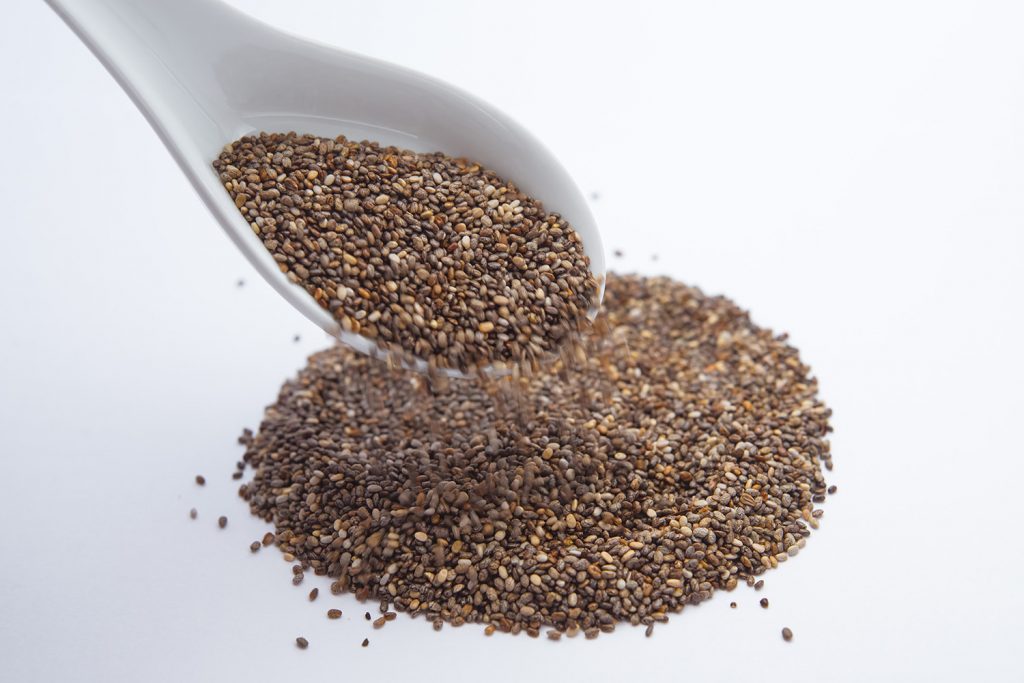
Flaxseed is high in dietary fiber and omega 3 fatty acids. Both of which you need to increase in your diet as your work to lower cholesterol levels. Here are 10 ways you can incorporate flaxseed into your diet.
- Sprinkle on your cereal every morning. . .hot or cold.
- Add to pancake or waffle batter.
- Mix in your orange juice.
- Add to muffins.
- Mix in yogurt.
- Sprinkle on fresh salad greens.
- Add to cottage cheese.
- Add to spaghetti sauce, meatloaf, and lasagna.
- Add to cookie dough.
- . . . .get creative! It can be an addition to just about anything.
Grind Your Flaxseed
Apple Tops the ‘Dirty Dozen’ list

The dirty dozen is a list of product with the highest pesticide residues developed by the Environmental Working Group.
The 12 most contaminated types of produce are:
- Peaches
- Apples
- Sweet Bell Peppers
- Celery
- Nectarines
- Strawberries
- Cherries
- Pears
- Grapes (Imported)
- Spinach
- Lettuce
- Potatoes
According to the 2011 Shopper’s Guide to Pesticides in Produce, apples are the most pesticide-laden fruit. The US Department of Agriculture tested 700 apple samples and over 98% of the apples contained pesticide.
Quiz – Test Your Summer Food Safety Savvy
Avoid spoiling your summer fun with a foodborne illness. Take this quiz and check your summer food safety savvy!
This quiz was created by:
Lisa Franzen-Castle, PhD, RD
Alice Henneman, MS, RD
University of Nebraska-Lincoln Extension
The Awesome Foursome: Four Nutrients for a Heart Health
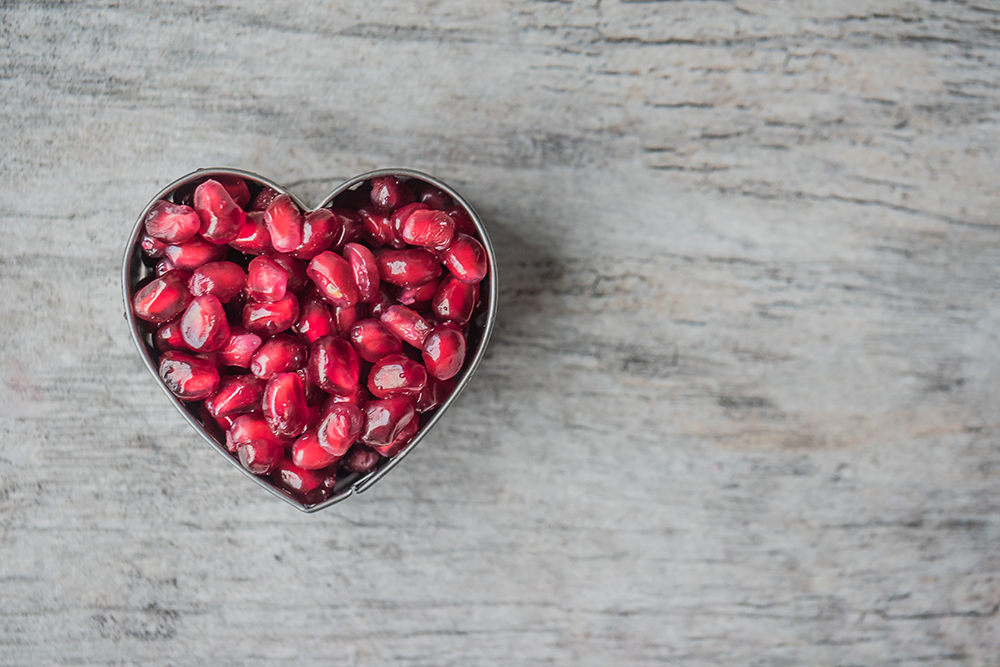
Cardiologist Dr. Stephen Sinatra has labels four nutrients – magnesium, coenzyme Q10, L-carnitine, and D-ribose – ‘the awesome foursome’ due to patient results linked to these nutrients.
These four nutrients are involved in the production of adenosine triphosphate (i.e. cellular energy). Adenosine triphosphate (ATP) is produced in the mitochondria of every cell. An ATP deficiency is linked to numerous health conditions, such as diabetes, Parkinson’s, cancer, heart failure, Alzheimer’s, and stroke.
These four nutrients can help boost the body’s production of ATP.
Dandelions to Lower Blood Pressure
 Did you know dandelions can be used to lower blood pressure?
The Leaves – Diuretic & Potassium Source
The leaves of a dandelion (Taraxacum officinale) plant act as a natural diuretic increasing urine production. They may be used to treat conditions that require a mild diuretic, such as high blood pressure, liver disorders, and digestive issues. The fact that dandelions are a source of potassium is another plus for promoting a lower blood pressure. The leaves of the dandelion are also used by health care providers to support kidney function.
The Flower – Antioxidant