Food Matters – The Documentary
 I finally had an opportunity to watch the documentary Food Matters.
If you haven’t had a chance to view this documentary I strongly encourage you to make time. It’s a little over an hour in length. Here’s a link to where you can learn more – http://foodmatters.tv
Let me give you a little breakdown and what Food Matters covers.
The bottom line is “you are what you eat” and this documentary drills that point home. If you want to live healthy and disease free you must fuel your body accordingly.
Food Matters cuts back and forth between expert interviews with leading nutritionists, naturopaths, scientists, medical doctors, and medical journalists. These individuals share the knowledge regarding medical research (specifically what is found in research and what is actually shared with the public) along with what they’ve seen in practice working with patients.
Key points discussed include:
Metabolic Syndrome Bigger Problem for Heart Disease Than Obesity
 A study published in the Journal of the American College of Cardiology has found individuals with a healthy weight and metabolic syndrome are at increased risk of heart failure when compared to overweight individuals that are metabolically healthy.
Metabolic Syndrome
Metabolic syndrome is the name given to a group of risk factors that increase your risk for heart disease, diabetes, and stroke.
Here are the five conditions considered risk factors for metabolic syndrome:
Continue reading
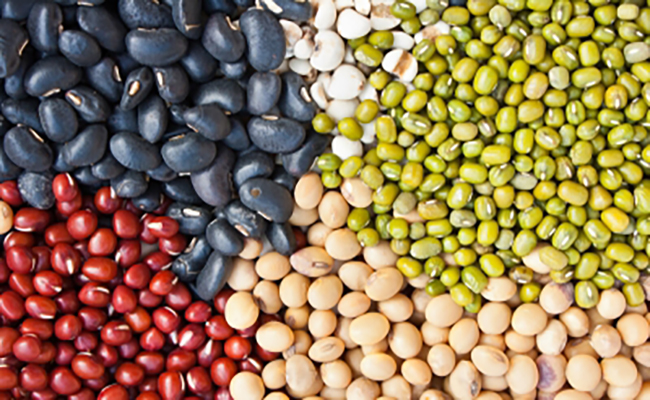
What equals 25 – 35 grams of dietary fiber?
I recently had an individual email me the following question:
How much fiber do I need to eat to equal 25 grams? How many pieces of fruit, slices of bread, cups of barley or flaxseed? I can’t relate to 25 grams.
I want to share the answer with everyone. Read on. . .
How Much Dietary Fiber
You need to consume between 25-35 grams of dietary fiber daily. Of this, soluble fiber should make up 15 grams. For every 1-2 grams of daily soluble fiber intake, LDL (bad) cholesterol is lowered 1%.
The average US dietary fiber intake is 12-18 grams/day. If your current diet is very low in dietary fiber, do not increase to 35 grams overnight. A sudden increase will result in gastrointestinal (stomach) distress and unpleasant side effects (flatulence and diarrhea). You want to increase your intake gradually.
Top 5 Foods Containing Dietary Fiber
TLC Diet to Lower Cholesterol
 Are you familiar with the TLC diet? I was not, so when I saw this treatment plan to lower cholesterol I was interested to see what it was all about. Below I’ve shared a summary of the diet plan and a link where you can access more information.
TLC stands for Therapeutic Lifestyle Changes and consists of a three part program of diet, physical activity, and weight management.
Diet
Diet changes focus on reduces saturated fat, trans fat, and cholesterol in your daily intake. If you are overweight, you would also work to reduce your daily calorie intake.
Here are goal levels for nutrients on the TLC diet:
Heart Fat – Is the fat around your heart increasing your heart disease risk?
 You are probably familiar with the fact that an ‘apple’ body shape puts you at greater risk for heart disease. A new study published August 16th in the online edition of the journal of Radiology has found the fat around your heart may be an even stronger predicator of heart disease risk.
What is heart fat?
Heart fat, or pericardial fat, is hidden behind the rib cage in a pericardial cavity. It appears that pericardial fat releases proinflammatory markers which promote irregular build-up of plaque along coronary artery walls. This plaque build-up leads to atherosclerosis which can result in a heart attack.
Pericardial fat volume is linked to being overweight or obese. The more excess fat you carry, the greater your risk of having high levels of pericardial fat.
The 183 participants of this study were from the community-based Multi-Ethnic Study of Atherosclerosis (MESA). All participants were symptom free, meaning they did not show or experience symptoms of heart disease, but the majority of participants were overweight.
How is heart fat linked to heart disease?
Is Coffee Good for Your Health?
 A 10-year Swedish Mammography Cohort Study looked at the connection between lifestyle and disease development. The study included 34,670 women between the ages of 48 to 83. All the women were healthy and without cardiovascular disease at the start of the study.
The study found women who consumed one or more cups of coffee per day throughout the ten year study had a reduced stroke risk of 22-25% compared to the women drinking less than one cup of coffee daily.
Women consuming more than 5 cups of coffee show the same benefits as those drinking one cup.
What Nutrients are in Coffee?