×

Heart HealthWalking for Heart Health Benefits

Do you understand the importance of being regularly active to promote heart health? However, you know this and still remain sedentary? Is this because the thought of exercise makes you think of a gym membership, spandex, and everyone watching you try to use equipment you have no idea how to work? Well, here’s an alternative.

Simply taking a daily walk has many benefits without the risk of embarrassment.

Benefits of Walking Daily

  • Decreases risk of heart disease or stroke.
  • Lowers LDL cholesterol
  • Increases HDL cholesterol
  • Reduces blood pressure
  • Increases daily calories burned (weight management)
  • Decreases risk of colon cancer and diabetes (may protect against breast cancer)
  • Decreases joint swelling and pain from arthritis
  • Improves mood
  • Improves stress management
  • More energy
  • Improves self-esteem
  • Improves sleep quality

How Long of a Walk

Continue reading →
Heart HealthObesity: Where does your state rank?

In 2010 rural Mississippi had the most obese residents for the 7th year in a row. This is according to an annual obesity report published by two public health groups.

Can you guess the thinnest state? Yep, Colorado.

The results of the annual obesity report get worse every year. Americans are getting heavier and heavier as time passes. Here’s an interesting fact that was pointed out:

In Colorado in 2010, 19.8% of the adult population was considered obese. Back in 1995, this would have meant Colorado was the heaviest state in the U.S.

It’s pretty scary how quickly things change in just 15 years.

According to the study results, the states that struggle the most with obesity are located in the South.

Here are the 12 states with an obesity rate of greater than 30%:

Continue reading →

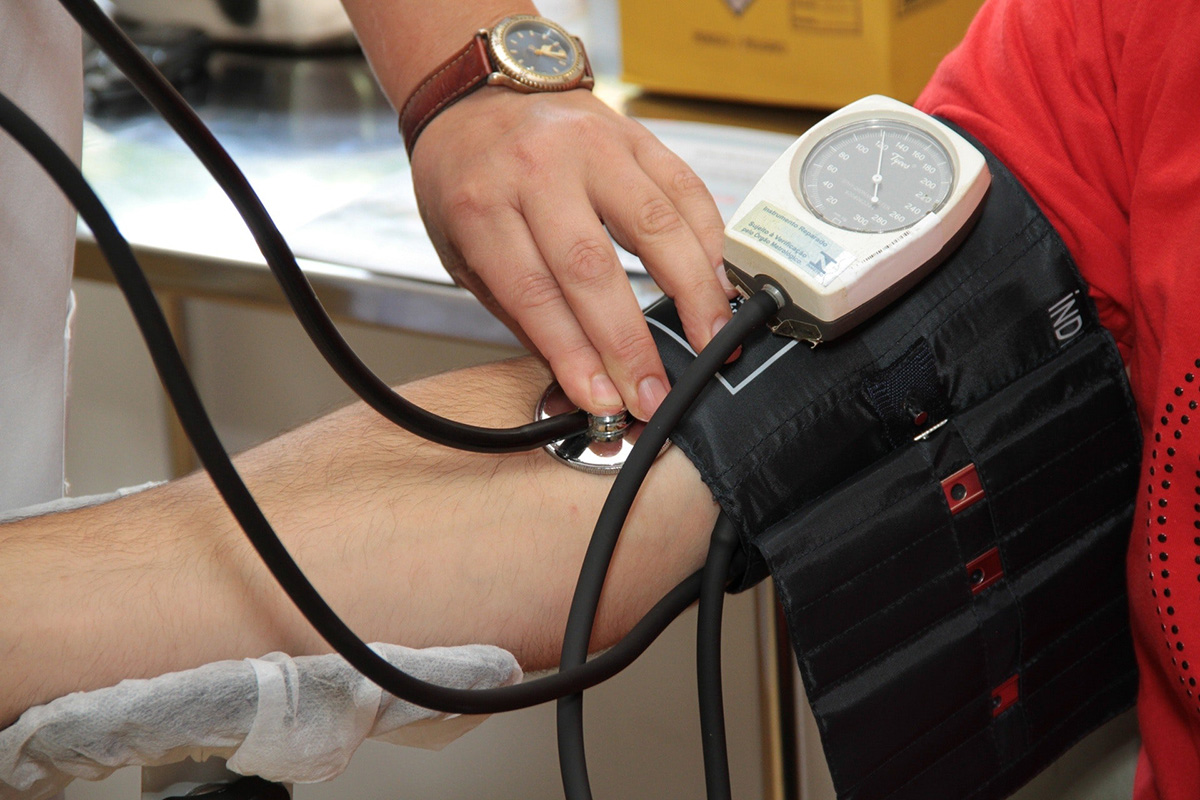
Lower Blood PressureLower High Blood Pressure: 5 Ways

Let’s cover five ways you can lower high blood pressure through dietary changes.

1. Increase your intake of fruits and vegetables

The DASH (Dietary Approaches to Stop Hypertension) diet is a very effective meal plan to lower blood pressure. The diet is high in fruits and vegetables, including 4-5 vegetable servings and 4-5 fruit servings everyday.

Fruits and vegetables are rich sources of fiber and phytonutrients essential to heart health and promotion of a lower blood pressure. The more the better!

2. Decrease sodium intake

Continue reading →

Lower CholesterolNiacin–Statin Study Didn't Give Desired Results: Stopped Early

The National Institutes of Health stopped a clinical trial studying a blood lipid treatment 18 months early. The study found that adding high dose, extended release niacin to statin treatment for patients with heart disease did not reduce cardiovascular events, such as heart attacks and strokes.

Study Participants

This study was referred to as AIM-HIGH (Atherothrombosis Intervention in Metabolic Syndrome with Low HDL/High Triglycerides: Impact on Global Health) and the 3414 participants were selected because they were at risk for cardiovascular events despite having a well controlled LDL cholesterol level. They were at increased risk due to a history of heart disease combined with low HDL cholesterol and high triglycerides. Low HDL levels and high triglycerides are both linked to increased risk of cardiovascular events.

Study participants were divided into two groups.

Continue reading →

Heart HealthSkinny Doesn’t Always Equal Healthy

There are many factors that play a role in your risk for heart disease and diabetes. These factors include diet, physical activity, smoking, weight, age, sex, ethnicity, and so on. Genetics is a factor that plays a role.

Researchers from Britain’s Medical Research Council Epidemiology Unit have identified a ‘lean gene’ that is linked to reduced body fat, but increased risk for heart disease and type 2 diabetes. Heart disease and type II diabetes are typically associated with being overweight, so finding a gene that links leanness to heart disease and diabetes is of interest. This may help explain why some individuals that are a healthy weight still struggle with high cholesterol and elevated glucose levels.

Continue reading →

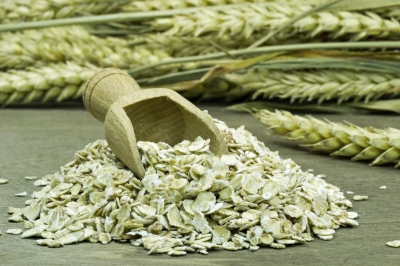
Lower CholesterolHow to Lower Cholesterol with Oatmeal

The whole grain oatmeal is linked to lower cholesterol, lower blood pressure, blood sugar stabilization, intestinal health and satiety.

Beta-Glucans to Lower LDL Cholesterol

1. Sponge.

Oats contain beta-blucan. Beta-glucan is a type of soluble fiber. Beta-glucan acts as a ‘sponge’, soaking up excess LDL cholesterol and removing it from the body. This is just one way beta-glucan works to reduce cholesterol absorption.

2. Decreases intestinal absorption of cholesterol.

Foods that contain beta-glucan tend to be bulky and cause the intestinal water layer to thicken and be more difficult for cholesterol molecules to penetrate and reach the intestinal cell layer for absorption into chylomicrons. Chylomicrons package cholesterol and carry it back to the liver where it is re-packaged and secreted as VLDL cholesterol. By reducing the amount of cholesterol that reaches the chylomicrons for absorption, beta glucan reducing circulating cholesterol levels.

3. High antioxidant content.

Continue reading →