×

Heart HealthWhy Going Upside Down in Yoga Helps Your Heart

Guest post provided my yoga teacher Meera Watts.
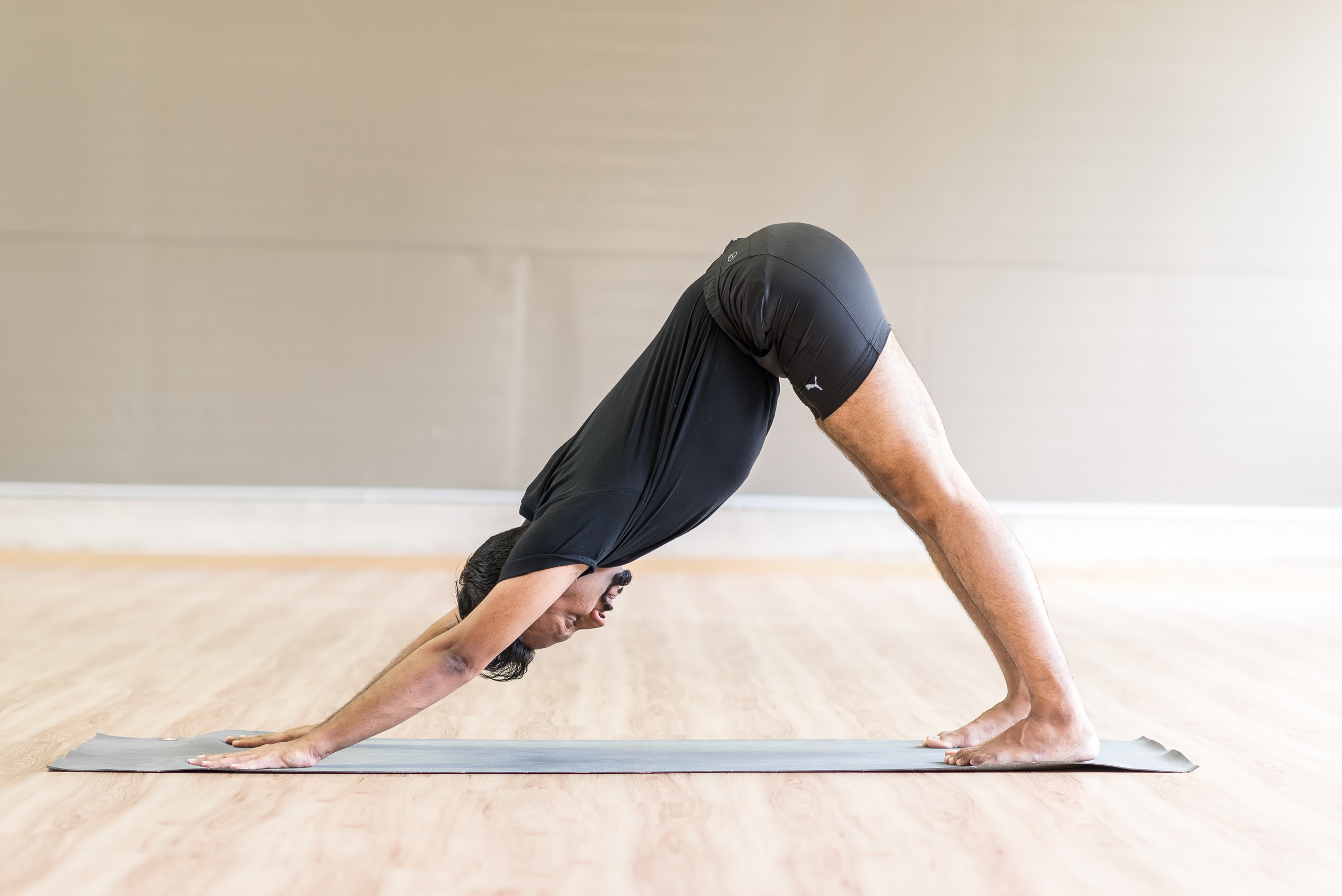

Turning yourself upside-down contradicts your physical nature. However, if you closely study inversion yoga, you’ll realize that inverting yourself has a handful of benefits, particularly to your heart.

If you’re interested to know what those benefits are, here are some of inversion yoga’s positive effects on the heart.

Your Blood Flow

Anatomically speaking, your heart can be found in your chest cavity. It functions to pump oxygenated blood to the different parts of your body by way of your arteries. At the same time, it receives deoxygenated blood which carries waste products through your veins.

Now, because the heart is placed high up in your body when you’re standing up, problems happen with your de-oxygenated blood flowing back to the heart due to gravity’s force. And if those problems aren’t solved right away, you can end up suffering different health consequences. Some examples include swollen legs and feet, varicose veins, and even pulmonary embolism.

Positioning yourself upside down can help improve the flow of blood back to the heart. Also, it can improve perfusion of your blood across your lung’s surface area.

Your Breathing and Diaphragm

Just beneath your lungs and heart lies your diaphragm. It’s a large muscle that’s mainly responsible for breathing. And just like the other muscles in your body, you need to work it to make it stronger.

When your diaphragm contracts, it’s generally working with gravity. It’s the reason why you can feel and see your belly bulging when you’re breathing in.
Continue reading →

Heart HealthKnow Your Family Heart Health History

Having a family history of heart attack or stroke may increase your risk for the same health problems.

Know your family history so you can take steps to avoid both heart disease and stroke yourself.

Start with your immediate family

Share with your doctor the health history of your siblings, parents, and grandparents. Did any of your immediate family have a stroke or heart attack? How old were they?

Continue reading →

Heart HealthLooking After A Loved One? Don’t Forget To Look After Yourself Too!

Contributed by Ryan Peterson.

Taking care of a loved one with special needs, whether they be physical or mental, is one of the best things you could ever do. However, before helping someone else, you must first learn to help yourself.

After all, ignoring your needs will inevitably take a toll on the body and mind. Use this simple checklist below, and it will be great news for you as well as your loved one.

Embrace Positive Daily Habits:

A healthy lifestyle isn’t simply about eating the right foods and hitting the gym. Poor lifestyle choices can lead to poor health as well as medical conditions. They will disrupt your life as well as the ability to support your loved one. Ensure that your daily habits are in a good place for immediate and long-term benefits including increased energy. If you’re young, the consequences might no show just yet. Keep making those mistakes, though, and reversing the damage will be hard.

Continue reading →

Heart HealthHow Your Poor Lifestyle Choices Are Really Affecting Your Health

Contributed by Ryan Peterson.

We all know the basics of a healthy lifestyle. Eat well, exercise, and get enough sleep. Don’t put dangerous chemicals into your body and make time for relaxation. However, in practice, it can be a bit more tricky. Our bad habits have been going on for so long that we might not even consider the health effects anymore.

Here are some examples of the ways your poor lifestyle choices are affecting your body.

Sedentary lifestyle

Research shows that the average American sits for around thirteen hours a day, and sleeps for around eight. That’s a massive part of our day, and our lives in general that we’re not getting any activity. A sedentary lifestyle contributes to weight gain and obesity which comes with its own set of significant health issues. It can cause weakness in joints and muscles and make it more likely that you will sustain an injury when you are active.

One example of this is plantar fasciitis, while it’s common in runners it also occurs when sedentary people up their activity levels. This is when the thick band of muscle at the bottom of the foot becomes inflamed and micro tears appear making it very sore in the heel area. Orthotics such as Biopods can help with this, click here for more information. However maintaining an active lifestyle will prevent the body from becoming weak, you’ll keep your fitness levels and exercise in general will benefit every cell in your body.

Continue reading →

Lower Blood Pressure5 Step Plan for Blood Pressure Management

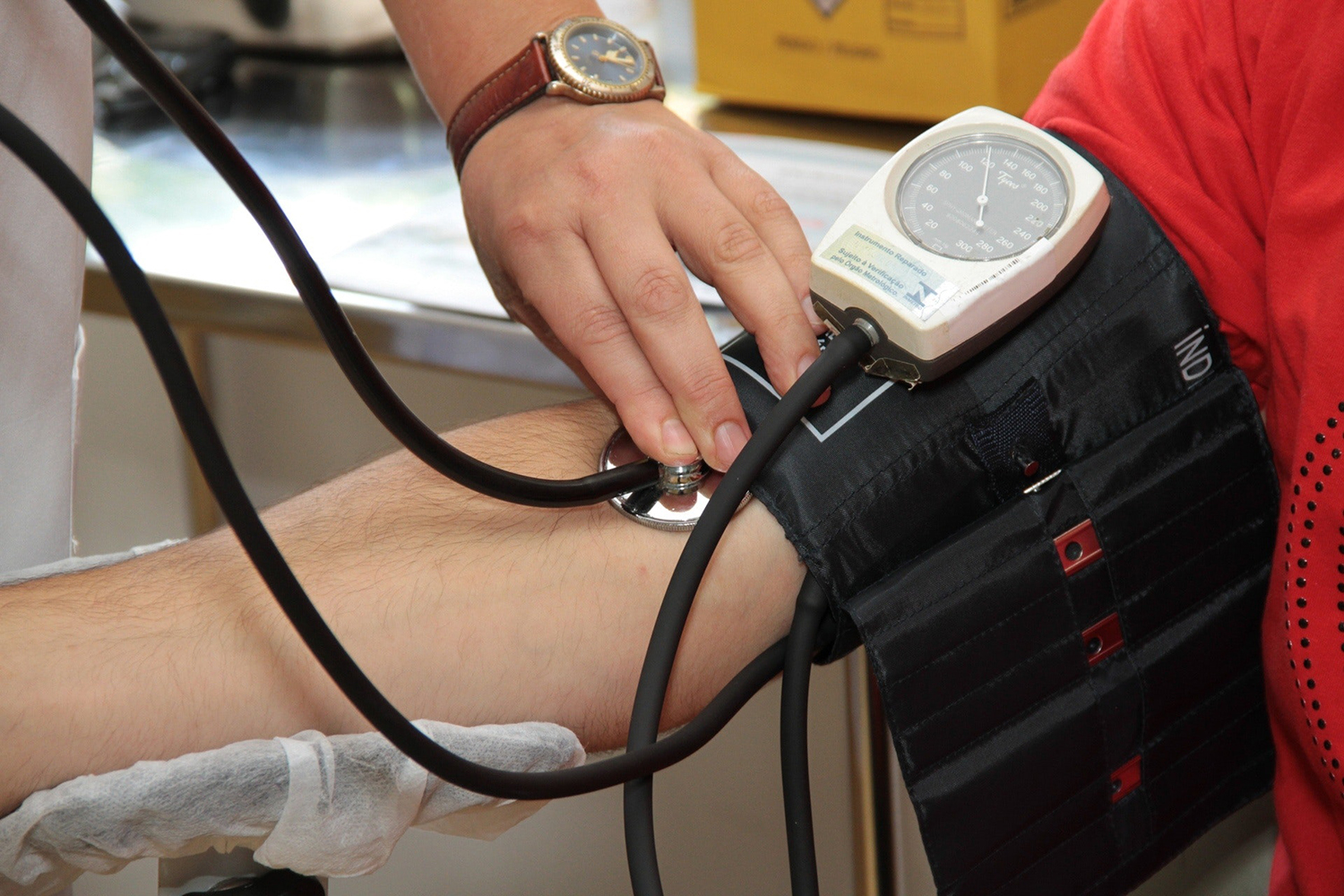
blood pressure management

High blood pressure is fairly common, especially with an increase in age.  Based on new blood pressure guidelines almost 50% of American adults have high blood pressure. Your blood pressure depends on how much blood your heart is pumping, and the resistance in your arteries which allows the blood to flow. The narrower your arteries, the higher your blood pressure.

High blood pressure puts more strain on your heart because it has to work harder, and can cause damage to your arteries. Risk factors include obesity, smoking, family history, and drinking too much alcohol. In some cases, the cause is unknown. This condition is known as the “silent killer” because there are not usually noticeable symptoms.  You may live with high blood pressure for years and not know. Uncontrolled high blood pressure over time can damage your heart, lungs, blood vessels, brain, and kidneys putting you at higher risk for heart disease, stroke, and kidney disease.

Up to age 45, men are more likely to have high blood pressure than women, and by age 65, it’s more common in women.

Here is a 5 Step Plan for Managing Blood Pressure through lifestyle choices:

1. Maintain a Healthy Weight

Blood pressure often increases as weight increases. According to the American Heart Association, a healthy BMI between 18.5-24.9 is the goal. Losing just 10 pounds can help reduce or prevent high blood pressure.  Your caloric intake to lose weight safely should be discussed with your dietitian and each case should be individualized. Increasing the amount of exercise with the appropriate daily caloric intake can help promote a healthy weight. Weight loss in overweight and obese patients lowers diastolic and systolic blood pressure by 5 mmHg.

Keep in mind more weight around the waistline puts you at a greater risk of high blood pressure. In general, men are at risk if their waist measurement is greater than 40 inches and women are at risk if their waist measurement is greater than 35 inches. These numbers can vary and should be monitored.

2. Monitor Blood Pressure at Home

Your blood pressure is measured in millimeters of mercury (mmHg). A normal blood pressure is around 120/80 mmHg or less. Normal levels can fall below this, yet consistent readings above this can lead to a high blood pressure diagnosis. The top number of the reading is called the systolic and shows the pressure in your blood vessels when your heart beats. The lower number is called the diastolic and it measures the pressure at rest between heartbeats when the heart refills with blood.

If you are diagnosed with high blood pressure discuss your personal blood pressure goal with your doctor.  Blood pressure readings above 120/80 mm Hg are considered elevated and above 130/80 mmHg is Stage I Hypertension.

By monitoring your blood pressure at home, you will monitor trends more consistently and be able to supplement the readings taken by your doctor for a more accurate picture of your blood pressure.
Continue reading →

Heart HealthBerries For Heart Health

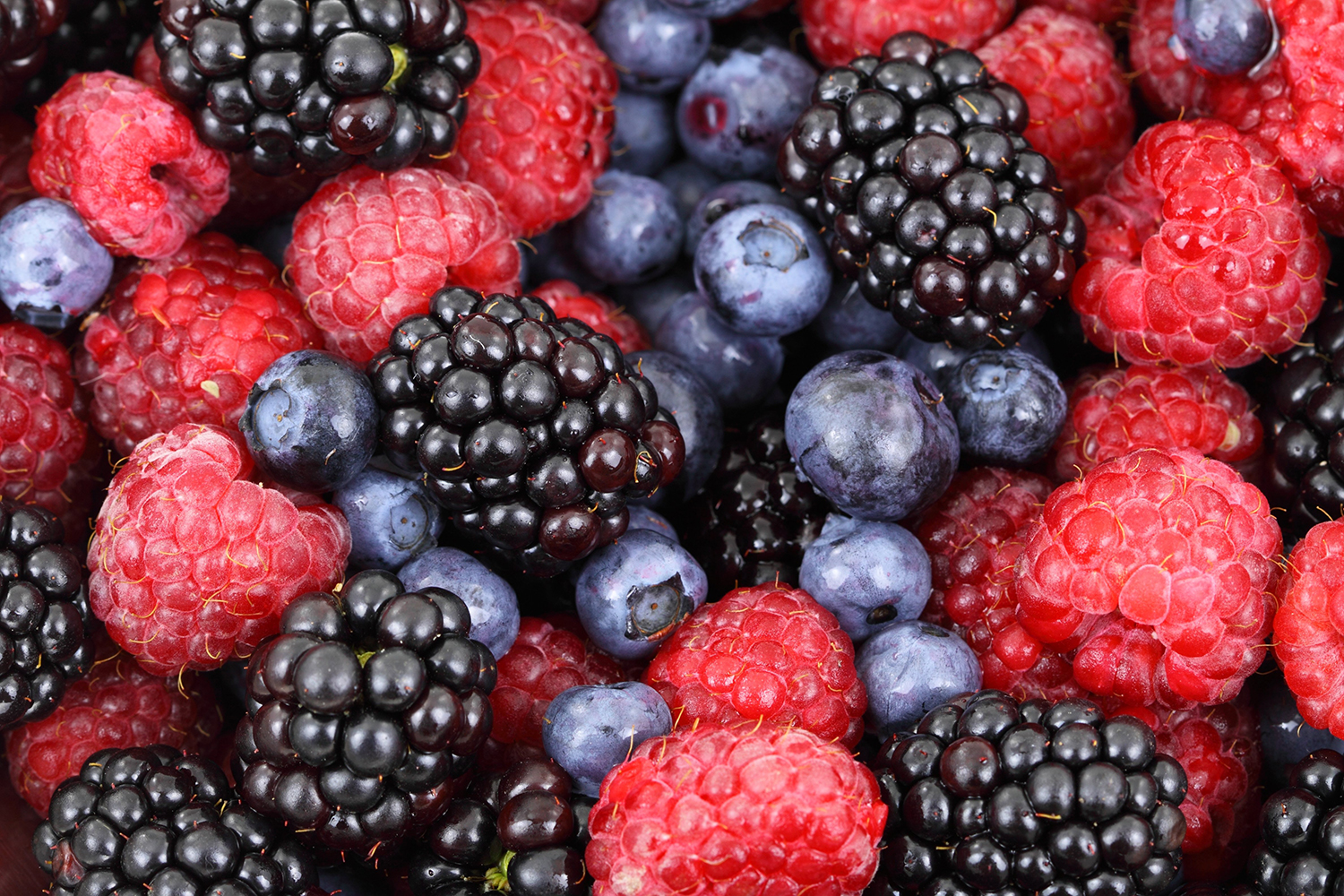
berries for heart health

Berries are a rich source of phytochemicals, including anthocyanins, polyphenols, and ellagic acid.

These phytochemicals protect cells from oxidative damage caused by free radicals, reducing the risk of heart disease and cancer.

Which berries are in season?

Summer is the optimal season for berries. Berries in season during the summer include:

  • Blackberries
  • Blueberries
  • Boysenberries
  • Currants
  • Elderberries
  • Marionberries
  • Mulberries
  • Raspberries
  • Strawberries
  • Tayberries

Cranberry season is in the fall.

Blueberry
Fresh blueberries contain…

  • Vitamin C
  • Fiber
  • Anthocyanins
  • Resveratrol
  • Alpha-tocopherol (a form of Vitamin E)

Delicious fresh and cooked into a compote or dessert.
Continue reading →