×

Heart HealthThe Importance of Moderation for Your Overall Health and Wellbeing

Contributed by Ryan Peterson.

Moderation is key when it comes to leading a healthy lifestyle. Now, moderation can be an extremely difficult thing to achieve in any aspect of life. You have to draw boundaries and clear lines in otherwise grey areas and you have to make sure that you don’t become too dependent on any given substance or activity that you consume or engage with. But, for the sake of your overall health and wellbeing, you do need to take active steps to determine what is best for you in terms of helping your body to function as it should without completely denying yourself any pleasures that really make life worth living! So, let’s take a moment to look at a few areas where people find difficulty in striking the right balance between “too much” and “not enough”!

Exercise

We need to exercise in order to keep our bodies in shape. Regular exercise can help us build muscle, build stamina, and lose any excess weight or fat that we might be carrying. But it’s important that you only engage with a healthy amount of exercise that our bodies can handle. It is recommended that the average adult gets one hundred and fifty minutes of moderate aerobic exercise and week or seventy-five minutes of vigorous aerobic exercise a week. If you haven’t exercised in a long time and are planning on getting back into it, make sure to ease yourself into the process. Going from doing nothing to forcing your body to work out for an excessive period of time can cause you serious damage – your heart rate could rise to a dangerous level and this could prove to be fatal. You might also injure yourself if you are not used to carrying out different exercises and throw yourself into the deep end with weights or techniques that are out of your comfort zone. In order to get back into fitness the right way, you could benefit from hiring a personal trainer. This professional will be able to survey your current fitness levels and can ease you into getting into good shape. They can come up with an appropriate programme and slowly build up the amount of time that you exercise for or the weights that you are using.

Continue reading →
Heart HealthUntangling the Relationship Between Your Dental Health and Heart Disease

Contributed by Lisa Smith.

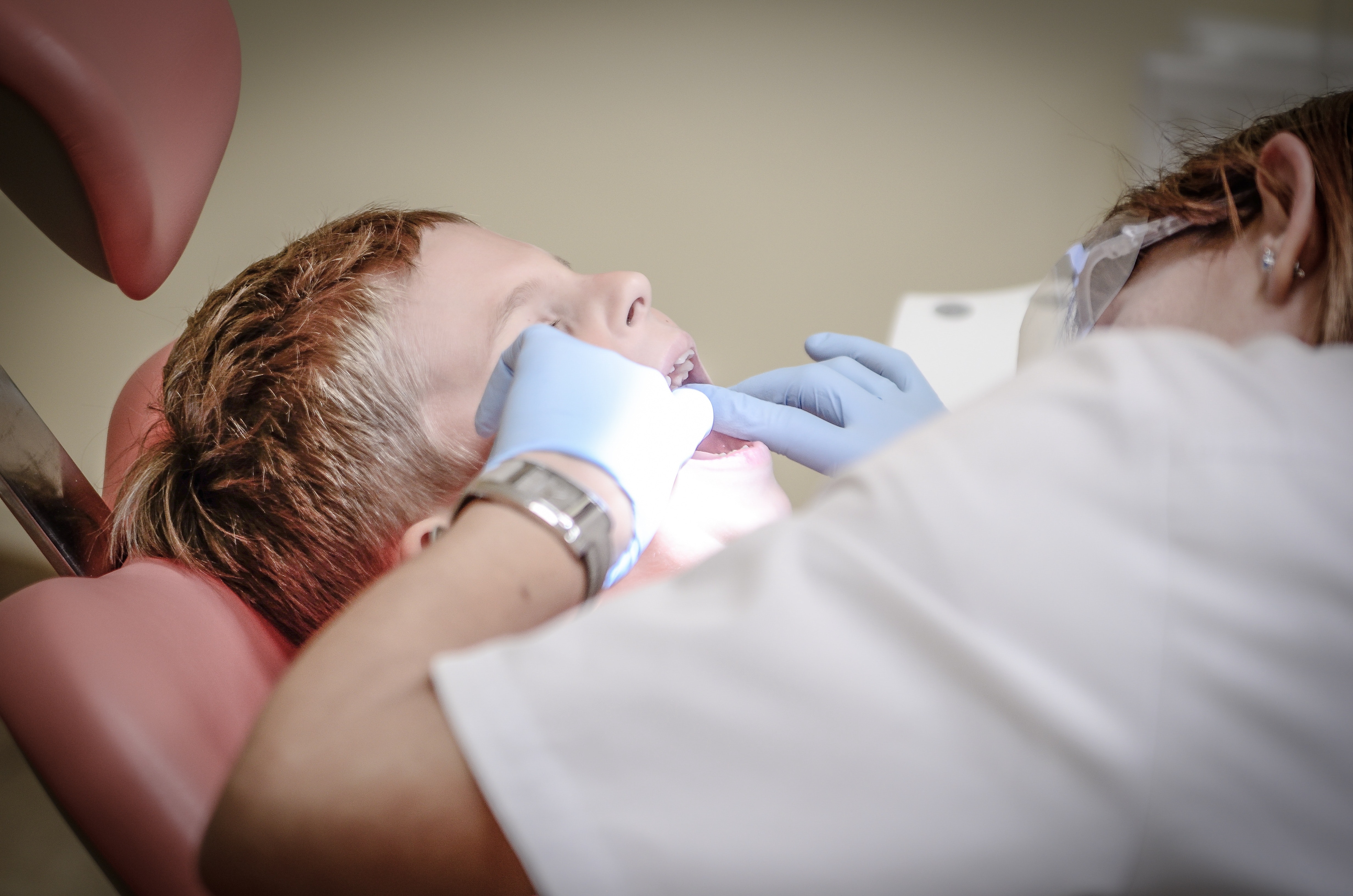
Your oral health matters. Evidence indicating that your oral health is intricately intertwined with the health of your entire body is mounting. Multiple studies have shown a strong association between gum disease and heart disease.

Your teeth are embedded in your gums. If your gums become infected, the bacteria could enter your bloodstream and spread to your heart. The infection also triggers inflammation.

Keeping your teeth in good shape is simple. Brush and floss every day and visit the dentist twice a year. You can’t change your genetics and you can’t protect against every possible problem, but you can do a lot.

Inflammation

When you eat, you fill your mouth with food particles. Most of it goes down your threat to be digested but stray particles linger in the crevices between your teeth and your gums. Harmful bacteria thrive on the sugar and bits of food left behind.

Brushing, flossing, and using mouthwash can all help shield your teeth. If you miss a spot, however, the bacteria can grow until eventually your gums or even the tooth itself become infected. Once the infection hits your bloodstream, it can travel throughout your body.

To beat the infection, your body mounts an autoimmune response. What’s your body’s biggest weapon? Inflammation. When you’re injured, white blood cells stream into the area to eradicate dead and foreign cells.

Continue reading →

Heart HealthCan You Have Elective Surgery If You Have Heart Disease?

Contributed by Ryan Peterson.
There are many reasons a person may consider undergoing elective, non-emergency surgery, but by far the most common is a desire to improve an area of their life and alleviate any pain and discomfort they are experiencing. Elective surgery can offer a lasting solution to a chronic health problem, and techniques and recovery times have improved substantially over the past 20 years, to the point that surgery is almost commonplace.


However, for those with heart disease, surgery is not such a simple choice. Receiving medical clearance for surgery when you have a severe underlying condition can be incredibly difficult – but it’s not impossible.

It is possible for people with heart disease to have elective surgery…

… though there are a number of factors that can influence the decision.

The first area of consideration is the type of surgery. Some operations, such as hand surgery performed for the likes of carpal tunnel surgery or a sinus procedure, are considered relatively “low risk”. For these forms of surgery, clearance is usually easier to obtain; you may be required to undergo further testing before being approved for surgery, but the chances of approval are far higher, and all the more so if the procedure will be completed under local anesthetic.

Continue reading →

Heart HealthWhat You Can Do Starting Today To Help Improve Your Heart Health

Contributed by Amanda Ohls.

As we age it becomes more and more important to start considering our heart health. This should be a consideration for those who are much younger than you’d expect especially if the family has a history of heart conditions. A proactive approach to understanding what impacts your blood pressure or cholesterol is important. People often times make poor health decisions on account of a lack of knowledge which can be remedied through proper research. The following are a few things that you can do to start improving your heart health now.

Quit Smoking NOW!

Smoking cigarettes is bad for every part of your body from your lungs to your heart. The ability to quit smoking is something that many people do not possess on their own so they are going to need support. Vapes that are commonly used instead of cigarettes can provide smokers a way to get their nicotine fix and slowly wean themselves off of the substance. Many people have turned to electronic cigarettes as they seem to be less harsh than the alternative while not leaving the smoker smelling like an ashtray. These are not safe alternatives to smoking but can help reduce chemicals ingested when compared to traditional cigarettes.

Find Time To Unwind

Stress can lead to increased blood pressure and can be a huge issue if you do not find to unwind. This relaxation time is to recharge both your mental and physical batteries. Something like relaxing with essential oils from MadeWithOils.com can make a huge difference in stress levels. There are also exercises that you can practice if often times you feel flusters and feel your blood pressure increasing. Do not let stress get the best of you and beat it by managing your relaxation time appropriately.

Eliminate Excessive Alcohol Usage

Excessive alcohol consumption is going to be bad for your blood pressure as well as your liver. The stress that alcohol puts on the body is immense especially for those binge drinkers. Combine this with the fact that alcohol has copious amounts of calories as well as people make unhealthy dietary decisions when drunk makes this tough on the heart. This does not mean that one glass of red wine a day is bad when in fact it can be healthy. Excessive alcohol use on the other hand is not good for the drinker’s body in the slightest.

Heart Health3 Ways Meal Prep Delivery Helps You Keep Your Cholesterol in Check

Contributed by Janet Moss.

meal prep delivery

According to the Center for Disease Control, roughly 78 million Americans have a cholesterol range that puts them at high risk for stroke or heart disease. While exercise is a key part of keeping your cholesterol in a healthy range, you’ll get nowhere if you don’t change your diet. Unfortunately, making changes to one’s diet is easier said than done for most people.

These people have one thing in common – they don’t make good food choices. Using a meal prep delivery makes it easy to make good food choices. Let’s look at three ways meal prep delivery helps you keep your cholesterol in check.

Meal Prep Lets You Think Less

Imagine you want to take a trip to your state’s capital. You don’t plan your route at all. Instead, you just drive in the general direction of your destination. You’re bound to make bad decisions that get you lost and add time to your trip. Your diet works the same way.

If you don’t plan out what you’re going to eat for each meal on a weekly basis, you’ll gravitate towards the quick options that are high in cholesterol. The reason for this is we tend to make bad food choices when faced with too much choice. We don’t know what to cook for ourselves, so instead of buying ingredients, we buy a pre-made meal.

Continue reading →

Heart HealthBoost immunity to fight this year’s cold and cough germs

boost immunity
Have you ever noticed that when there’s a bug around your office, not everyone “gets” it?

Somebody is out for 10 days, someone else for a half day and some people don’t even get sidelined at all? Think about it. They’ve all been exposed to the same germ. So, why does this happen?

It probably happens for the exact same reason that some houses get knocked down in a hurricane and some remain still standing. Some houses are made of brick, steel and hurricane shutters while others are made of much flimsier materials. Which ones survive the storm and which ones don’t has everything to do with how well they were built. In the same way, if your immune system is well nourished and healthy, it will withstand challenges a lot better. Those of us lucky enough to not get sick stay healthy because our immune system is able to just bat the challenge aside, or at the very least, handle it and recover quickly. Remember, your health isn’t measured by whether or not you get the cold or cough; it’s measured by how well your body handles it if you do get it, and by how quickly your body recovers.

Nutritionist Jonny Bowden takes a whole-body approach to building immunity, which means immune-boosting foods (such as garlic) and supplements (such as Sambucol) to strengthen your immune system. At the first sign of a cold, he adds these supplements and foods:

    • Zinc. Cells need this mineral to fight bacteria and viruses. Zinc is also important in the development of white blood cells, which are the immune system cells used to protect against infections. Your body does not store zinc, so we need to consume zinc daily during the cold season. If you do get sick, zinc might help shorten the length of your illness. Bowden recommends supplementing 15mg of zinc daily during “regular” times and 50mg daily at the first sign of a cold.
    • Echinacea. This herb is used to fight the cold and other upper respiratory infections. Take it at the first sign of symptoms. It might keep the cold from developing or make symptoms less severe. Bowden states it is safe to supplement anywhere from 300-500mg three times a day.

Continue reading →