
 The National Institutes of Health stopped a clinical trial studying a blood lipid treatment 18 months early. The study found that adding high dose, extended release niacin to statin treatment for patients with heart disease did not reduce cardiovascular events, such as heart attacks and strokes.
Study Participants
This study was referred to as AIM-HIGH (Atherothrombosis Intervention in Metabolic Syndrome with Low HDL/High Triglycerides: Impact on Global Health) and the 3414 participants were selected because they were at risk for cardiovascular events despite having a well controlled LDL cholesterol level. They were at increased risk due to a history of heart disease combined with low HDL cholesterol and high triglycerides. Low HDL levels and high triglycerides are both linked to increased risk of cardiovascular events.
Study participants were divided into two groups.
 There are many factors that play a role in your risk for heart disease and diabetes. These factors include diet, physical activity, smoking, weight, age, sex, ethnicity, and so on. Genetics is a factor that plays a role.
Researchers from Britain’s Medical Research Council Epidemiology Unit have identifies a ‘lean gene’ that is linked to reduced body fat, but increased risk for heart disease and type 2 diabetes. Heart disease and type II diabetes are typically associated with being overweight, so finding a gene that links leanness to heart disease and diabetes is of interest. This may help explain why some individuals that are a healthy weight still struggle with high cholesterol and elevated glucose levels.
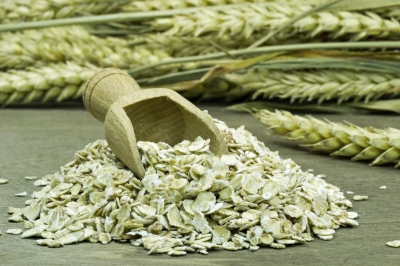
The whole grain oatmeal is linked to lower cholesterol, lower blood pressure, blood sugar stabilization, intestinal health and satiety.
Beta-Glucans to Lower LDL Cholesterol
1. Sponge.
Oats contain beta-blucan. Beta-glucan is a type of soluble fiber. Beta-glucan acts as a ‘sponge’, soaking up excess LDL cholesterol and removing it from the body. This is just one way beta-glucan works to reduce cholesterol absorption.
2. Decreases intestinal absorption of cholesterol.
Foods that contain beta-glucan tend to be bulky and cause the intestinal water layer to thicken and be more difficult for cholesterol molecules to penetrate and reach the intestinal cell layer for absorption into chylomicrons. Chylomicrons package cholesterol and carry it back to the liver where it is re-packaged and secreted as VLDL cholesterol. By reducing the amount of cholesterol that reaches the chylomicrons for absorption, beta glucan reducing circulating cholesterol levels.
3. High antioxidant content.
 I’ve shared information previously on the benefits of a high potassium diet and reduced blood pressure. However, another study has found an increased risk of death from heart disease to be linked to a diet high in sodium and low in potassium.
High sodium, low potassium equals increased risk of death
According to research Elena V. Kuklina, consuming a diet high in sodium and low in potassium results in a 50% increased risk of death from any cause and almost doubles the risk of death from heart disease. The study I’m referencing was published in the Archives of Internal Medicine.
Study Participants
Researchers followed over 12,000 US adults. The participants did not follow a reduced salt diet nor did they have a history of heart conditions or stroke. Participants were followed for 15 years. During this time 2,270 participants died. Out of this number, 1268 died from cardiovascular disease.
Study Results
 The following guest post is from Jessica Johnson, a member of Long Island Heart Associates of New York and contributor to their blog.
Can Chocolate Be the Answer to a Healthy Heart?
In recent studies from the last several years, top cardiologists have seen that chocolate can actually help reduce and lower blood cholesterol thanks to the power of flavonols. This particular class of flavonoids has natural antioxidants that benefit your body as well as help lower blood cholesterol. It also will help improve the blood flow through the body, causing blood platelets to become less sticky, which lowers their ability to clot, while also lowering cholesterol.
These flavonoids are found naturally in cocoa giving it that slightly bitter or more pungent taste in its natural form. Even after cocoa beans have been baked and refined to create commercial chocolate bars, the flavonols still remain intact.
 Tomatoes have been linked to several different health benefits, including cancer prevention, lower cholesterol levels, reduced blood pressure, and decreased heart disease risk.
Nutritional Value of Tomatoes
The carotenoid lycopene has been extensively studied to determine antioxidant and cancer preventing properties.
Tomatoes are also rich in many nutrients, such as vitamin C and vitamin A. In addition, they provide a good source of fiber, which is know to lower high cholesterol levels, stabilize blood sugar, and prevent colon cancer.
Tomatoes and Heart Disease