
 Shouldn’t you be the “picture of health” as a young adult? Guess it shouldn’t come as a surprise that looks are deceiving.
Canadian researchers presented study results recently at the 2011 Canadian Cardiovascular Congress regarding their study of 168 adults between the ages of 18 and 35 years-old.
Study participants had no family history of heart disease, nor any other known risk factors, such as diabetes, obesity, high blood pressure, high cholesterol, or smoking.
Guess what? Researchers found a “staggering” number of participants to have atherosclerosis, which is a build-up of plaque along artery walls. Almost half of participants had signs of atherosclerosis – 48%.
Height, weight, body mass index (BMI), and waist circumference were recorded for all participants. MRI scans measured both subcutaneous (fat under the skin) and visceral fat (fat around vital organs).
These measurements found many participants to have greater waist circumferences and higher levels of visceral fat within the chest and abdomen. These high levels of visceral fat increase risk of suffering a heart attack or stroke at some point in their lives. It’s this high level of visceral fat that is likely contributing to the early signs of atherosclerosis.
These Canadian findings corroborate previous research that has found up to 80% of young American’s killed in war or car accidents to have premature and hidden atherosclerosis.
What Can You Do?
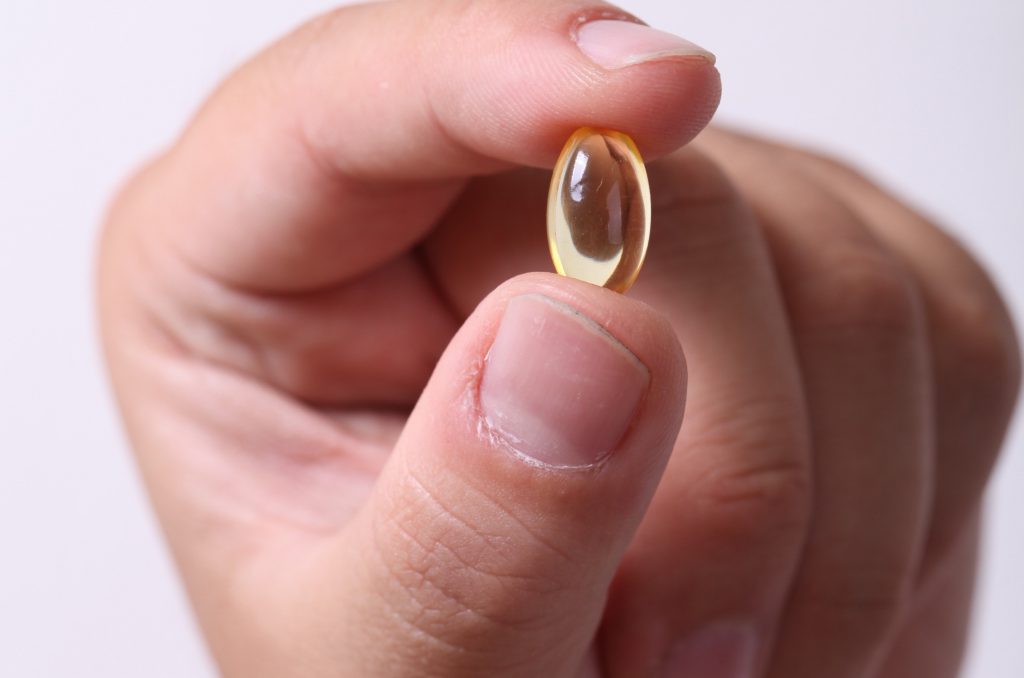
Vitamin D deficiency is fairly common. Vitamin D is not actually a vitamin, but a hormone the body produces from sunlight.
According to a review of existing research there is evidence low vitamin D levels impact cardiovascular disease risk, specifically blood pressure, insulin resistance, and coronary artery disease. The review of around 75 mostly observational studies was published in the Journal of the American College of Cardiology.
Whether or not taking supplemental vitamin D will reduce cardiovascular risks or how much is needed to be effective is still to be determined. We now need more randomized control research studies to examine the impact of high dose Vitamin D supplementation to weigh the pros against the cons.
Daily Vitamin D Recommendation
 The way you choose to live, impacts your risk for disease. A new study published in the September issue of Circulation: Heart Failure has found that not smoking, losing weight, being active, and eating a diet high in vegetables may decrease your risk for heart failure.
Heart failure is the condition where the heart becomes weakened and does not pump blood and oxygen throughout your system effectively.
Researchers followed over 18,000 men and close to 20,000 women in Finland. Participants ranged in age from 25 to 74 years-old and were followed for about 14 years. During this 14 year time period, 445 women and 638 men developed heart failure.
Smoking and Excess Weight Increase Heart Failure Risk
Researchers concluded that men who smoked were at an 86 percent increased risk of heart failure compared to non-smokers. For women the risk increased 109 percent for smokers.
 I finally had an opportunity to watch the documentary Food Matters.
If you haven’t had a chance to view this documentary I strongly encourage you to make time. It’s a little over an hour in length. Here’s a link to where you can learn more – http://foodmatters.tv
Let me give you a little breakdown and what Food Matters covers.
The bottom line is “you are what you eat” and this documentary drills that point home. If you want to live healthy and disease free you must fuel your body accordingly.
Food Matters cuts back and forth between expert interviews with leading nutritionists, naturopaths, scientists, medical doctors, and medical journalists. These individuals share the knowledge regarding medical research (specifically what is found in research and what is actually shared with the public) along with what they’ve seen in practice working with patients.
Key points discussed include:
 Dietary changes can result in lower cholesterol levels. By making dietary changes to promote lower cholesterol levels you’ll be able to work with your doctor to gradually wean off medication and eliminate negative medication side effects. And the diet changes don’t have to be hard!
Here are three examples of simple diet shifts that will promote a lower cholesterol.
Diet Shift #1 – Replace eggs & bacon with oatmeal & fruit.
If your standard breakfast consists of cholesterol laden fried eggs and a side of fat (okay, bacon) swap this out for a bowl of oatmeal topped with fresh berries and ground flaxseed. The whole grain oatmeal will promote lower cholesterol levels, blood sugar control, and help you feel full longer. Antioxidant rich berries will help reduce the oxidation of LDL cholesterol that leads to plaque build up, while flaxseed is a rich source of heart healthy omega 3 fatty acids.
 When you think about water and blood pressure the link between dehydration and low blood pressure probably comes to mind. Dehydration is a potential cause of low blood pressure due to resulting decreased blood volume leading to reduced pressure against artery walls.
However, did you know not drinking enough water can lead to high blood pressure?
When you do not drink adequate water the body will compensate by retaining sodium. That should be a red flag. Sodium is directly related to high blood pressure.
While this sodium retention takes place, the persistent dehydration will lead the body to gradually ‘close’ some of the capillary beds. This leads to increased pressure places on arteries and a rise in blood pressure.
Here are three steps you can take to prevent high blood pressure that is caused by dehydration.