
Post contributed by Dom Brickley.
As you get older, you experience slightly more problems with your health than you did when you were younger. It’s a part of life. However, that doesn’t mean there’s nothing you can do to help ensure a healthier and happier future as you get older. Whilst we may not be able to control mother nature and stop the process of aging (yet), there’s a lot you can do to ensure that you live a more enjoyable life even as you enter old age. Here are some health aspects that you really need to start considering if you want to ensure that you have a happier future.

Your body.
One of the most important health aspects to monitor as you get older is your body. When you’re young, it seems that your body remains in relatively good shape no matter how you treat it; you might have been able to eat as much you wanted and exercise as little as you wanted, but that changes as you get older. Obviously, you should look after your body no matter how old you are, but it becomes more important to do so as you get older. You need to think about your diet, first of all. Starting a food diary might help you to keep track of what you’re eating whilst you try to fix your existing diet. You need to make sure that you’re getting all the carbohydrates, protein, and other sustenance that you need whilst avoiding too much junk. This isn’t just about your weight but the health of your heart and your mind.
Of course, sorting out your diet is only the first part of improving the health of your body. You need to think about exercise too, as hard as that might be once you get older. Okay, you might not be able to run as fast as you could when you were a teenager, but that doesn’t mean it’s any less important to get your body moving. It’s not about intense workouts or getting a toned and muscular body; it’s about keeping yourself physically active. Again, weight is only part of the equation. Regular physical exercise will help to keep your heart healthy and avoid high blood pressure whilst also improving your mental health.
Your senses.
Your senses are going to fade as you get older. It’s irritating, but it’s something that everybody experiences. In fact, many people need eyewear to correct poor vision even in their younger years, so you’re lucky if these problems have only started to affect you in later life. One of the biggest things you need to monitor is your hearing. It’s so easy to counteract bad hearing by turning up the volume on the TV, but this can actually damage your eardrums further. You should do some research on hearing aids because you don’t want to cause further problems. You can learn more here about hearing aid fittings. Remember to see a professional if any of your senses start to fail so that you can prevent any further damage.
Your mind.
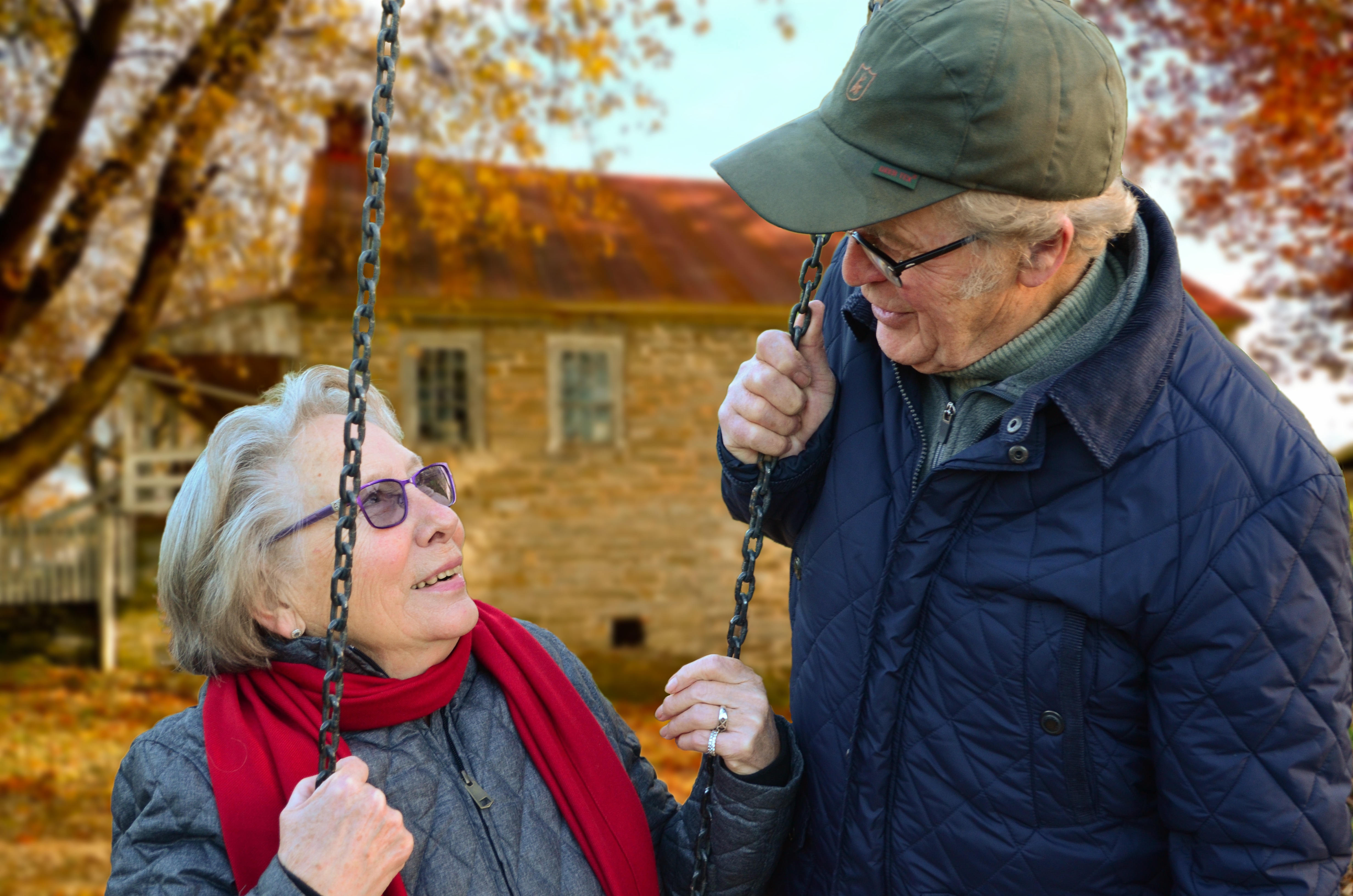
The final aspect of your health to consider as you get older is the most important: your mind. As we age, our brains aren’t quite as effective as they used to be. It’s harder to remember things, and you might be a little slower on the ball than you were in your youth. However, there’s a lot you can do to keep your brain working to the fullest of its potential. It’s all about keeping your mind active, much in the same way as your body. Socializing with friends and family will help to keep your brain working, as will playing with pets; keep yourself happy, and this will keep you healthy.
 Hospital readmission rates are a reflection on quality of care.
Poor care coordination and discharge planning combined with medication errors and adverse events such as infections contribute to readmission rates.
For those being treated for heart disease, poor diet and medication compliance are the most common reasons for readmission.
Research is analyzing the effectiveness of cardiac rehabilitation programs, particularly programs that provide a nutrition education component versus those that do not.
One retrospective study reviewed data from 73 cardiac rehabilitation patients who attended nutrition classes. All 30-minute classes were taught by the same registered dietitian incorporating dietary guidelines recommended by the American Heart Association Adult Treatment Panel III and Therapeutic Lifestyle Change diet.
Participants were categorized based on number of classes attended. One session offered twelve nutrition classes and a second session offered a condensed version with six nutrition classes.
Dietary fat intake was used to assess diet quality pre- and post-rehab. Those attending the greatest number of nutrition classes saw the greatest improvement in dietary fat intake.
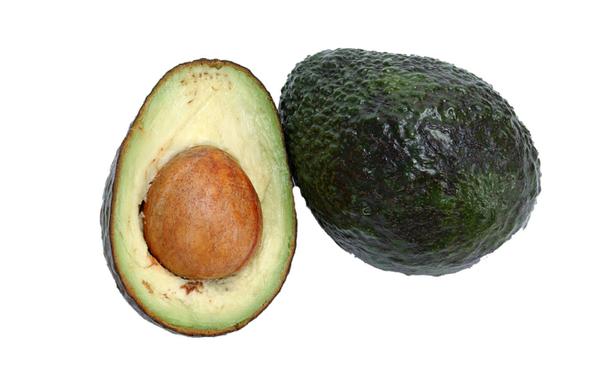
Avocados provide monounsaturated fats, the omega-3 fatty acid alpha-linoleic acid, vitamin B6, pantothenic acid, folic acid, magnesium, potassium, beta-sitosterols, and vitamin E… all of which add up to equal a heart healthy addition to your diet rich in antioxidants to reduce inflammation.
However, all the above refers to the flesh of the avocado. What about the large seed, which most of us tend to scoop out and throw away?
An avocado seed can be consumed by removing the fine layer of brown skin and then grating it or using a coffee bean grinder to grind it into a powder.
This powder can then be added to soups, salads, stews, pasta/rice dishes, smoothies and baked goods.
A viral Facebook video showed how to peel, chop, and pulverize the seed adding fuel to the idea of the avocado seed being a type of “super food”.
There is some argument regarding the positive health benefits of avocado seeds.
Avocado seeds contain protein, fiber, calcium, magnesium, potassium, flavonoids, and phenols.
There’s little in life that isn’t better with friends—right? Food is better, vacations are better, nights out are better.
And then there’s working out. Not only is it better with friends, but you’re more likely to stick with a workout routine and make yourself stronger in the process. There are a lot of reasons why, but first and foremost: If you have someone waiting to workout with you, you’re less likely to skip out on a class or strength session, or any other exercise effort. And if you’re being led in that workout session by a teacher at a gym, then you’re reaping other benefits too. For example, that teacher is going to help push you to do your best—and correct you when you’re doing an exercise wrong.

Dieting is when you restrict yourself to small amounts or special kinds of food to lose weight.
Many people do lose weight when dieting. The problem is a diet is a temporary, short-term plan, not a long-term solution. Many regain lost weight after the diet ends.
Continuous dieting is very restrictive and often difficult to maintain for the required length of time to hit goal weight levels. This has led to increased interest in intermittent energy restriction. An example of intermittent energy restriction is alternate-day fasting. This type of dieting involves a “fast day” with reduced or no energy consumed followed by an all you want “feast day”. Another intermittent energy restriction example is a 5 and 2 regime where you eat however you desire five days and fast on two days.
However, the greater problems with diets is seen at the six month mark when weight regain often occurs.
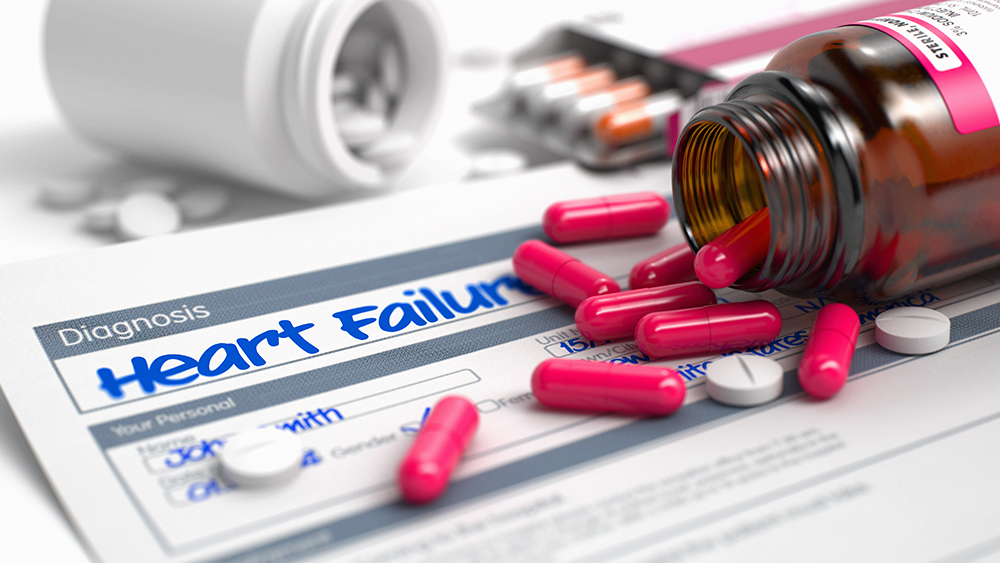 One of the most common misunderstandings about heart failure is that the heart suddenly stops beating. The reality is that it happens over a period of time. Early diagnosis of heart failure is critical to managing the disease and extending a patient’s life.
I had the pleasure of discussing heart failure with Dr. Eileen Hsich, Director of the Women’s Heart Failure Clinic at the Cleveland Clinic and Chair of the WomenHeart Scientific Advisory Council, has devoted her medical career to treating, educating and researching cardiovascular disease in women.
Dr. Hsich: What happens during heart failure is that the heart fails to pump the blood forward properly. The fluid backs up and goes into your lungs. That could be due to a weak heart or a stiff heart. The heart can be strong but stiff and not able to relax. That is what causes the backup of fluid into the lungs.
Dr. Hsich: There are three that I want to discuss. The first misconception is that patients often think that they’re dying. I think that’s very unfortunate. They get that idea because heart failure has the word “failure” in there. I hear that all the time.
They think that it’s a disease that they’re going to die from. In fact, most patients improve on medical therapy. One out of every four fully recovers. I think that’s one misconception. I want people to know that there’s hope.
The second misconception is the fact that women feel that they are alone. And yet, 55% of patients with heart failure are women. This affects women and men nearly equally.
The third misconception is the fact that patients and doctors refer to this as one disease, like sometimes we refer to cancer as one disease. With cancer, we know that there are many different types.
With heart failure, we often forget that there are many different causes. High blood pressure, valvular disease, diabetes, as well as heart attacks are common causes. You can have heart failure with a weak heart or a strong heart. All of these factors affect how you do.