Lower Cholesterol8 Lifestyle Habits That Actually Lower Blood Pressure and LDL Cholesterol

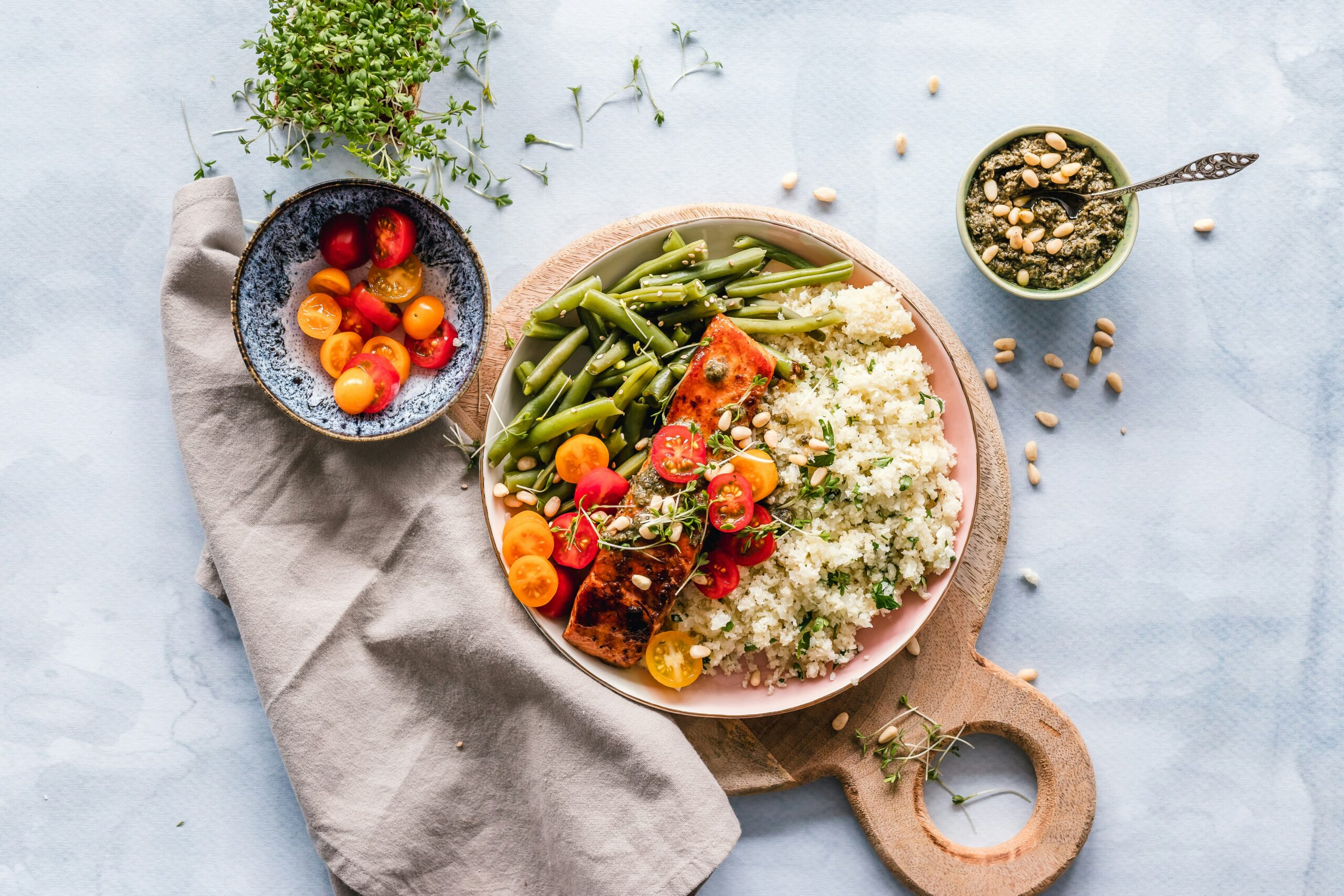
If you’re trying to lower blood pressure and cholesterol, you’ve probably encountered a long list of advice. Some helpful, some overhyped, and some confusing. Superfoods, detox programs, supplements that promise dramatic results overnight. How do you decide what is actually worth your time and energy?
Here’s the straightforward answer: the habits with the biggest payoff for blood pressure and LDL cholesterol aren’t flashy. They’re consistent, cumulative, and well-supported by decades of research. The American Heart Association (AHA) and the American College of Cardiology (ACC) have clear guidance on what moves the needle, and it comes down to eight core lifestyle habits.
No gimmicks. Just what the evidence actually shows.
Why Both Numbers Matter
Two of the most important lifestyle changes to lower blood pressure and cholesterol involve targeting these two markers directly. High blood pressure puts constant stress on artery walls. Elevated LDL contributes to plaque buildup inside those arteries. Together, they significantly increase the risk of heart attack and stroke.
The good news is that lifestyle changes can meaningfully improve both. And the habits that help are largely the same ones, making it practical to address both at once.
8 Lifestyle Habits to Lower Blood Pressure and Cholesterol
1. Follow a Heart-Healthy Dietary Pattern
Benefits: Blood pressure and LDL
No single food improves heart health on its own, but an overall dietary pattern makes a significant difference. Two patterns in particular have strong research support: the DASH diet and the Mediterranean diet.
The DASH diet – Dietary Approaches to Stop Hypertension – was specifically designed to lower blood pressure. It emphasizes fruits, vegetables, whole grains, low-fat dairy, and limits sodium, red meat, and added sugars. Research consistently shows it can reduce systolic blood pressure by 8 to 14 mmHg in people with hypertension.
The Mediterranean diet, rich in vegetables, legumes, whole grains, fish, and olive oil, has been shown to reduce LDL cholesterol and lower overall cardiovascular risk. Both patterns share a common foundation: more whole foods, less processed food, and better overall nutrition quality.
You don’t have to follow either plan perfectly. Moving your overall eating pattern closer to these models produces real benefits.
2. Reduce Sodium Intake
Benefits: Blood pressure
Sodium is one of the most well-established dietary factors affecting blood pressure. Most Americans consume far more than the recommended limit of 2,300 mg per day. For many people, especially those who are sodium-sensitive, the effects on blood pressure are significant.
Reducing sodium intake to 1,500 mg per day has been shown to lower systolic blood pressure by 5 to 6 mmHg in people with hypertension. Even modest reductions produce meaningful benefits.
The challenge is that most sodium in the American diet doesn’t come from the salt shaker. It comes from packaged, processed, and restaurant foods. Reading food labels and cooking more meals at home are two of the most effective strategies for bringing sodium intake down.
3. Increase Soluble Fiber
Benefits: LDL cholesterol
Soluble fiber works by binding to cholesterol in the digestive tract and helping remove it from the body before it enters circulation. Research shows that for every 1 to 2 grams of soluble fiber added to the daily diet, LDL cholesterol drops by approximately 1 percent.
The goal is 10 to 25 grams of soluble fiber daily, as part of a total fiber intake of 25 to 35 grams. Good sources include oats and oat bran, legumes, apples, citrus fruits, barley, and psyllium husk.
Oatmeal for breakfast is one of the simplest ways to start. Add beans to a soup or salad at lunch, and you’ve already made meaningful progress toward your daily goal.

4. Get Regular Aerobic Exercise to Lower Blood Pressure and Cholesterol
Benefits: Blood pressure and LDL
Physical activity is one of the most powerful tools available for cardiovascular health. Regular aerobic exercise, the kind that raises your heart rate, has been shown to lower systolic blood pressure by 4 to 9 mmHg and modestly improve LDL and HDL cholesterol levels.
The AHA recommends at least 150 minutes of moderate-intensity aerobic activity per week, or 75 minutes of vigorous activity. That works out to about 30 minutes of brisk walking five days a week, which is a realistic starting point for most people.
The benefits show up even at modest activity levels. If you’re currently sedentary, adding any consistent movement is a meaningful step in the right direction.
5. Lose Even a Small Amount of Weight
Benefits: Blood pressure and LDL
Excess weight puts added strain on the heart and contributes to both elevated blood pressure and unfavorable cholesterol levels. The encouraging news is that you don’t need to reach an ideal body weight to see real benefits.
Losing as little as 5 to 10 pounds can produce measurable reductions in both blood pressure and LDL cholesterol. For every 2.2 pounds lost, systolic blood pressure drops by roughly 1 mmHg. Weight loss also tends to improve HDL cholesterol and triglyceride levels at the same time.
Small, sustainable changes in diet and activity level, not dramatic short-term diets, produce the most lasting results.
6. Reduce Saturated and Trans Fat
Benefits: LDL cholesterol
Saturated fat raises LDL cholesterol by reducing the liver’s ability to clear LDL from the bloodstream. Trans fats are found in partially hydrogenated oils and do the same while also lowering HDL cholesterol, making them doubly harmful.
The AHA recommends limiting saturated fat to less than 7 percent of total daily calories and keeping trans fat as close to zero as possible. In practical terms, this means choosing leaner cuts of meat, switching to low-fat dairy, using olive or canola oil instead of butter, and avoiding packaged foods that list partially hydrogenated oils in the ingredients.
Replacing saturated fat with unsaturated fat, rather than with refined carbohydrates, is what produces the LDL benefit.
7. Include Omega-3 Fatty Acids
Benefits: Triglycerides, modest blood pressure benefit
Omega-3 fatty acids, particularly EPA and DHA found in fatty fish, are best known for their ability to lower triglycerides, which are a separate but related cardiovascular risk factor. High-dose omega-3s can reduce triglycerides by 25 to 30 percent.
The evidence for direct LDL reduction from omega-3s is less consistent, but they do support overall cardiovascular health, have a modest blood pressure lowering effect, and help reduce inflammation in artery walls.
The AHA recommends eating fatty fish at least twice per week. Some fatty fish options include salmon, mackerel, sardines, herring, or albacore tuna. For those who don’t regularly eat fish, a high-quality fish oil supplement providing at least 850 to 1,000 mg of combined EPA and DHA daily is a reasonable option worth discussing with your healthcare provider.
8. Limit Alcohol
Benefits: Blood pressure
The connection between alcohol and blood pressure is well established. Drinking more than one drink per day for women or two drinks per day for men is associated with elevated blood pressure. Heavy or regular alcohol consumption is one of the more common and underrecognized contributors to difficult-to-control hypertension.
Cutting back on alcohol, or eliminating it, can produce meaningful reductions in blood pressure, particularly for those who currently drink regularly. One drink is defined as 12 ounces of beer, 5 ounces of wine, or 1.5 ounces of spirits.
The Cumulative Effect Is the Point
The most effective way to lower blood pressure and cholesterol is through the combination of better diet quality, regular movement, and modest weight management. Not through any single change.
That can feel overwhelming, but it doesn’t have to be. Starting with one or two habits and building from there is a legitimate and effective strategy. Progress compounds over time.
Eight steps to lower your cholesterol
Frequently Asked Questions
How quickly can lifestyle changes lower blood pressure?
Some changes, particularly sodium reduction and increased physical activity, can produce measurable results within a few weeks. Dietary pattern changes may take one to three months to show their full effect.
Can lifestyle changes to lower blood pressure and cholesterol replace medication?
For some people with mildly elevated numbers, yes. For others, lifestyle changes reduce the dose of medication needed or improve how well medication works. This is always a decision to make with your healthcare provider.
Do I need to follow DASH or Mediterranean perfectly?
No. Research shows that moving your overall eating pattern in that direction, even partially, produces real benefits. Perfection is not required.
Is soluble fiber or saturated fat reduction more important for LDL?
Both matter, and they work through different mechanisms. Reducing saturated fat and increasing soluble fiber together produce greater LDL reduction than either approach alone.
What’s the single most impactful change for blood pressure?
Sodium reduction combined with a DASH-style dietary pattern consistently shows the strongest blood pressure response in the research.
The Bottom Line on Lowering Blood Pressure and Cholesterol
The habits that genuinely lower blood pressure and cholesterol are not complicated but they do require consistency. A heart-healthy dietary pattern, reduced sodium, more soluble fiber, regular aerobic exercise, modest weight loss, less saturated and trans fat, omega-3 fatty acids, and moderate alcohol intake form a well-supported, practical foundation for better cardiovascular health.
Small changes, applied consistently, add up to meaningful results.
All the best,
Lisa Nelson, RD
Recommended resource
Where I send people for supplements
Food first, always. When a supplement is worth considering, the front of the bottle is marketing and the supplement facts panel is the actual content. Two bottles at the same price can differ by half in what they deliver.
My dispensary carries practitioner-grade products, most of which aren’t sold direct to consumers, with the reasoning behind each one.
I may earn a commission on dispensary orders.