Heart Health7 Cruciferous Vegetables to Promote Heart Health

Do you consume 2 ½ cups of vegetables daily as recommended by the 2015 Dietary Guidelines for Americans?
Cruciferous vegetables are a nutrient-rich option for boosting daily vegetable intake. These vegetables are a good source of dietary fiber, vitamins K, C, and E, folate, calcium, and potassium.
Research indicates there may be a link between some of the nutrients and phytochemicals contained in cruciferous vegetables with reduced cancer risk and improved cardiovascular health.
Here are 7 cruciferous vegetables to incorporate in your diet:
#1 Kale
One cup of Kale provides over 1000 mcg of vitamin K. The fiber, potassium, folic acid, and vitamin C found in kale support heart health. Select dark, colored bunches of kale, avoiding yellow and brown leaves.
#2 Broccoli
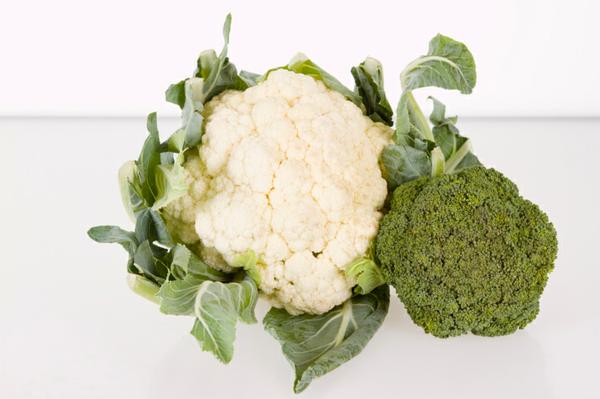
Microwave or steam broccoli instead of boiling it to reduce nutrient losses. You can consume both the stalks and the florets. Broccoli is a rich source of the enzyme sulforaphane, which is involved in liver detoxification and three B vitamins ( B6, B12, and folate) that reduce homocysteine levels.
#3 Cabbage
A good source of Vitamins C and K, consume cabbage raw, cooked, or fermented. Fermented cabbage, such as sauerkraut, provides additional probiotic benefits.
#4 Cauliflower
Cauliflower is a rich source of giver, vitamin C, and folate. Boiling cauliflower results in significant phytonutrient loss. Instead, consume cauliflower raw, sautéed, or steamed for the greatest nutrient “bang”. Research shows cholesterol-lowering properties of cabbage are increased when steamed.
#5 Arugula
Both mature and “baby” forms of arugula have a peppery taste. While most commonly consumed in salads, arugula can also be sautéed. This is a very low-calorie vegetable, providing Vitamins A, C, and K, folic acid, potassium, calcium.
#6 Kohlrabi
Low in calories, kohlrabi provides B vitamins, phosphorous, potassium, and calcium. Both bulbs and greens are both edible. The bulbs can be consumed cooked or raw, while the greens are typically steamed or sautéed.
#7 Bok choy
A great source of calcium and vitamins A, C, and K, both the leaves and stalks of bok choy are edible. Bok choy is most commonly consumed in stir-fries and soups, but consider adding the more tender “baby” bok choy to salads for a fresh, crunchy texture.
Tips as you add cruciferous vegetables to your diet…
- Avoid overcooking.
- Incorporate in veggie trays
- Use to “beef up” salads
- Add chopped cruciferous vegetables to soups and stews
All the best,
Lisa Nelson RD
Health Pro for HealthCentral
Recommended resource
Where I send people for supplements
Food first, always. When a supplement is worth considering, the front of the bottle is marketing and the supplement facts panel is the actual content. Two bottles at the same price can differ by half in what they deliver.
My dispensary carries practitioner-grade products, most of which aren’t sold direct to consumers, with the reasoning behind each one.
I may earn a commission on dispensary orders.