
New US Food Pyramid 2026: What Changed in the Updated Dietary Guidelines?
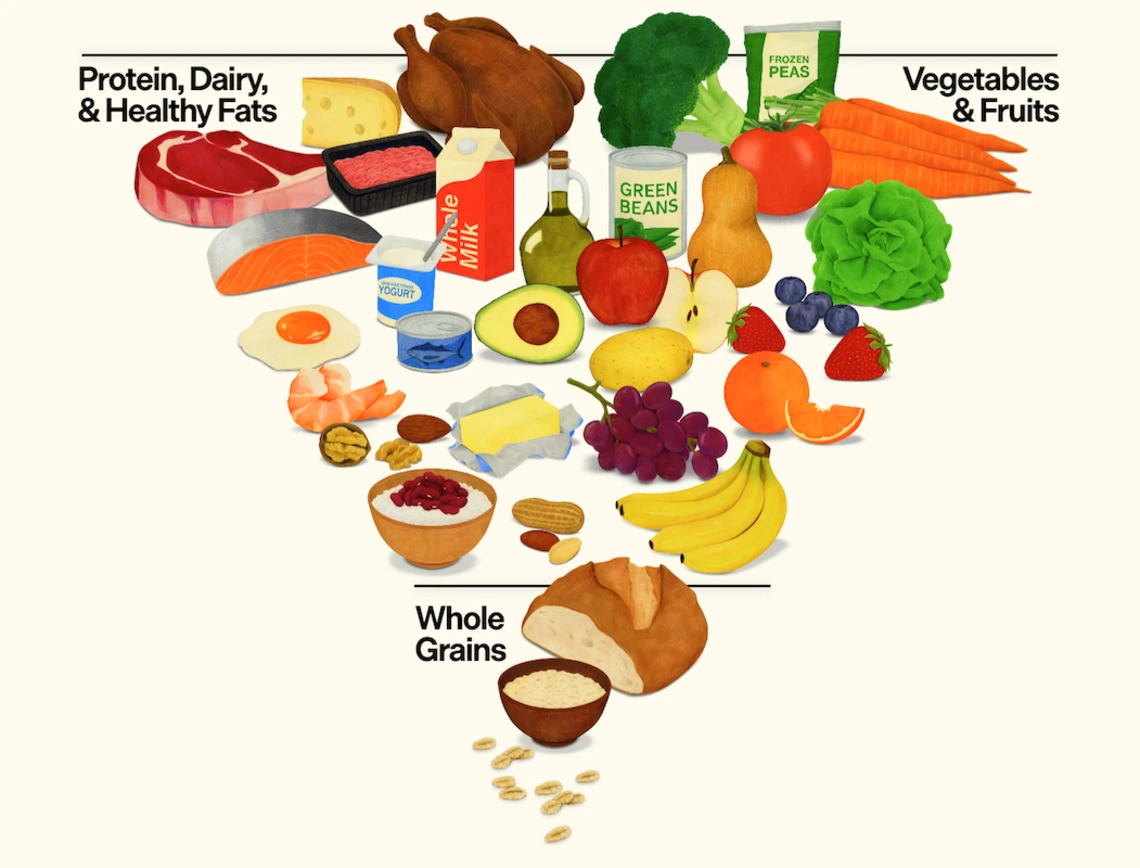
Nutrition guidance in the United States has evolved over the decades, from the original food pyramid to MyPlate and now back to a redesigned pyramid. The new US food pyramid 2026, introduced alongside the updated Dietary Guidelines for Americans, reflects a noticeable shift in how we’re encouraged to think about food and long-term health.
So what changed — and what does it mean for your plate?
What Is the New US Food Pyramid 2026?
The new visual reintroduces the pyramid shape but flips the emphasis seen in earlier versions. Instead of placing grains at the foundation, the updated model prioritizes protein, healthy fats, and nutrient-dense whole foods as central components of a healthy eating pattern.
The goal of the updated dietary guidelines for Americans is to better reflect current research on metabolic health, blood sugar regulation, and chronic disease prevention. While it’s still a general framework, not a one-size-fits-all prescription, it signals a shift toward higher-quality food choices and greater awareness of how macronutrients affect overall health.
Why Did the Food Pyramid Change?
Public health trends played a major role in the federal nutrition guidelines update. Rates of obesity, type 2 diabetes, fatty liver disease, and cardiovascular disease remain high. Researchers continue to examine how dietary patterns influence insulin resistance, inflammation, and long-term metabolic health.
Earlier low-fat messaging often led to increased intake of refined carbohydrates and processed foods. The changes to the food pyramid reflect a growing understanding that the type of fat and carbohydrate matters more than simply lowering total fat intake.
Key Changes in the Updated Dietary Guidelines for Americans
Greater Emphasis on Protein in the New Food Pyramid
Protein now plays a more prominent role. Lean meats, fish, eggs, dairy, legumes, and other protein-rich foods are highlighted as foundational. Adequate protein supports muscle maintenance, satiety, and blood sugar stability — especially important as we age.
Healthy Fats Are Back at the Foundation
The healthy fats dietary guidelines now emphasize whole-food fat sources such as nuts, seeds, olive oil, and avocados. Rather than broadly discouraging fat, the focus is on quality. Research continues to show that unsaturated fats support heart health when replacing refined carbohydrates and highly processed foods.
Whole Grains and Carbohydrates in the 2026 Guidelines
Whole grains remain part of a healthy pattern, but the whole grains recommendations 2026 place less visual emphasis on grains as the base of the diet. The shift encourages mindful carbohydrate choices, focusing on fiber-rich, minimally processed sources rather than refined breads and sugary foods.
Stronger Limits on Added Sugar and Processed Foods
The added sugar recommendations 2026 take a firmer stance on limiting sugary beverages, sweets, and ultra-processed foods. The updated guidance reinforces that processed foods dietary guidelines should prioritize whole, minimally processed ingredients whenever possible.
How the New Food Pyramid Affects Your Diet
For most people, this isn’t about dramatically overhauling your meals. It’s about small, consistent shifts:
- Building meals around quality protein
- Including healthy fats without fear
- Choosing vegetables and fruits daily
- Reducing added sugars and refined carbohydrates
These patterns support metabolic health, triglyceride management, blood pressure control, and overall cardiovascular health.
MyPlate vs. the New Food Pyramid: What’s the Difference?
MyPlate focused on portion balance using a plate graphic divided into food groups. The new pyramid reintroduces hierarchy, visually signaling which foods should make up the foundation of daily eating.
Both models encourage variety and balance. The pyramid simply emphasizes nutrient density and metabolic impact more clearly.
What the New US Dietary Guidelines Mean for Everyday Eating
The new US dietary guidelines explained simply: prioritize real food. Focus on quality protein, healthy fats, vegetables, fruits, and fiber-rich carbohydrates. Limit highly processed foods and added sugars.
Guidelines will continue to evolve as science advances. What remains consistent is this: long-term health is built through sustainable, balanced eating patterns…not extremes.
All the best,
Lisa Nelson RD