
Boost Heart Health with High Intensity Interval Training

Short bursts of high intensity interval training may provide a more realistic alternative for preventing and managing Type 2 diabetes, as well as promoting weight loss, according to a paper published in Obesity Reviews.
This was a meta-analysis, meaning researchers searched databases to review multiple studies examining the effects of high-intensity interval training (HIIT) on specific health parameters. In this case, 50 studies were included in the research, paying particular attention to insulin resistance, blood glucose, hemoglobin A1c, body weight, and cardiorespiratory fitness.
Researchers found short bursts of vigorous activity in quick succession to be more “effective” when compared to longer forms of exercise in regards to how the body uses and stores blood sugar.
A majority of individuals diagnosed with type 2 diabetes are also classified as overweight or obese. Type 2 diabetes impacts your entire body: vision, kidneys, heart, etc. If you have high triglycerides, this is an indicator for greater risk for developing type 2 diabetes.
Treatment plans for type II diabetes, high triglycerides, and weight management included diet and physical activity.
The effects of exercise on the body’s insulin sensitivity and ability to utilize blood sugar are well proven. The effects of exercise on weight management is debatable.
Continue reading
Is it now considered okay to eat saturated fat from butter and tropical oils?
![saturated-fat[1]](https://www.lisanelsonrd.com/wp-content/uploads/2016/07/saturated-fat1.jpg) It’s no wonder so many of us are confused about healthy eating. Even the nation’s dietary experts keep changing their mind about what we should eat and what we should avoid. We asked USC School of Pharmacy Research Professor Roger Clemens to help remove some of the confusion surrounding healthy fats.
It’s no wonder so many of us are confused about healthy eating. Even the nation’s dietary experts keep changing their mind about what we should eat and what we should avoid. We asked USC School of Pharmacy Research Professor Roger Clemens to help remove some of the confusion surrounding healthy fats.
Q: What are the latest dietary guidelines regarding fat and cholesterol?
Dr. Clemens: The 2015 Dietary Guidelines Advisory Committee Scientific Report states that cholesterol is no longer a nutrient of concern. The available evidence shows no appreciable relationship between consumption of dietary cholesterol and serum cholesterol. This is consistent with the conclusion of the American Heart Association and American College of Cardiology report.
Q: Can you explain this change in thinking over the past several decades?
Dr. Clemens: Nutritional science is dynamic. In the 1980s, the Dietary Guidelines suggested consumers avoid too much total fat and saturated fat. Over time, total fat guidelines have been upwardly adjusted with the 2010 Guidelines suggesting diets with up 35 percent of daily calories from fat. The 2015 executive summary suggests no upper limit for total fat consumption. Saturated fat guidelines have similarly evolved and now suggest including up to 10 percent in a healthy diet, and replacing saturated fat with polyunsaturated and mono-unsaturated fat. This thinking may still be changing, however. Current evidence does not clearly support cardiovascular guidelines that encourage high consumption of polyunsaturated fatty acids and low consumption of total saturated fats.
Continue reading
4 Reasons Why You Need More Fiber
 How many grams of fiber do you consume daily?
Most Americans consume half the recommended dietary intake of 25 grams (women) to 38 grams (men) of fiber daily for adults 50 years or younger. Over the age of 50, women should consume 21 grams of fiber and men 30 grams per day.
There are two types of fiber.
Soluble fiber turns to a gel during digestion. Sources of soluble fiber include oats, oatmeal, nuts, seeds, beans, peas, lentils, and some fruits and vegetables (i.e. oranges, apples, carrots).
Insoluble fiber is not digested. It adds bulk to the stool and helps food move through the stomach and intestines. Sources of insoluble fiber include vegetables, whole-grains, and wheat bran.
A diet high in fiber is connected to many health benefits.
- Lower cholesterol levels
Boosting fiber intake from whole-grain products leads to a slower build-up of arterial plaque. Studies also find soluble fiber to protect against atherosclerosis, which is this build-up of plaque in the arterial walls.
Dietary fiber also binds to LDL cholesterol during digestion, resulting in lower LDL cholesterol levels, without decreasing HDL cholesterol levels.
Continue reading
What Is a Healthy Cholesterol Level? VIDEO with Dr. Sinatra
Dr. Sinatra is a well-known cardiologist focused on providing his clients with useful cholesterol tips in order to live a healthier life.
Can Probiotics Lower Cholesterol Levels?
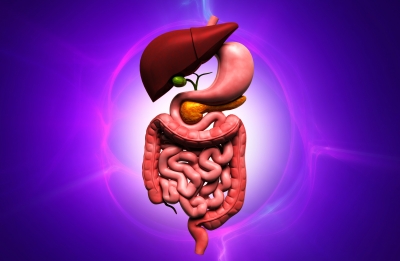
Understanding gut bacteria and how they impact metabolism, heart disease, diabetes, and obesity may provide new treatment options.
Trillions of bacteria and other microbes live within our gut. This microbiome is necessary to neutralize by-products of digestion, decrease toxins and carcinogens, and inhibit the growth of unhealthy bacteria and yeast. The microbiome also aids in the absorption of nutrients, supports the digestive process, and produces vitamins B and K.
Research published in the journal Circulation Research found the microbiome may also play a role in body mass index (BMI) and blood lipid levels (i.e. HDL and triglycerides).
Continue reading
Triglycerides: What Fat and Sugar Have in Common
 Holiday splurges can result in more than extra weight to shed in the New Year. Sweet cookies, pies, and candies all rich in fat, along with excess alcohol and calories can lead to a spike in triglyceride levels. This increase in triglycerides may put you at increased risk for heart disease.
In the Q&A section below, Lorraine Matthews-Antosiewicz, registered dietitian and author of 10 Days to Sugar Free: Sugar Detox Survival Guide, has answered questions regarding the relationship between triglycerides, sugar, and fat.
What are triglycerides?
Triglycerides are a type of fat that come from food, and your body also makes them. They are the most common type of fat found in the body. Triglycerides are continually circulating in the blood ready to be metabolized to provide a source of energy when needed, but their main function is to store energy for later use. When you consume more calories than your body can use, it converts the excess into triglyceride and stores it in fat cells. Fat cells hold the triglyceride molecules until your body needs energy between meals. Hormones signal the fat cells to release the triglycerides for your body to use.
Why do triglycerides matter?