
Increase Exercise Intensity to Strengthen Heart
 There are some studies that suggest a higher intensity interval workout routine, such as those used by athletes, may be beneficial for patients with heart conditions.
High intensity interval training involves short bursts of intense exercise at 85-95% maximum heart rate. These short bursts are alternated with periods of moderate exercise. This workout method is frequently used by athletes to improve speed and endurance.
If this type of training were to be recommended for heart patients it’d be a change from the standard protocol of steady aerobic exercise at 70% maximum heart rate. This lower level of intensity is intended to work the heart without risking chest pain, heart attack, or other complication.
Walking for Heart Health Benefits
 Do you understand the importance of being regularly active to promote heart health? However, you know this and still remain sedentary? Is this because the thought of exercise makes you think of a gym membership, spandex, and everyone watching you try to use equipment you have no idea how to work? Well, here’s an alternative.
Simply taking a daily walk has many benefits without the risk of embarrassment.
Benefits of Walking Daily
- Decreases risk of heart disease or stroke.
- Lowers LDL cholesterol
- Increases HDL cholesterol
- Reduces blood pressure
- Increases daily calories burned (weight management)
- Decreases risk of colon cancer and diabetes (may protect against breast cancer)
- Decreases joint swelling and pain from arthritis
- Improves mood
- Improves stress management
- More energy
- Improves self-esteem
- Improves sleep quality
How Long of a Walk
Lower High Blood Pressure: 5 Ways
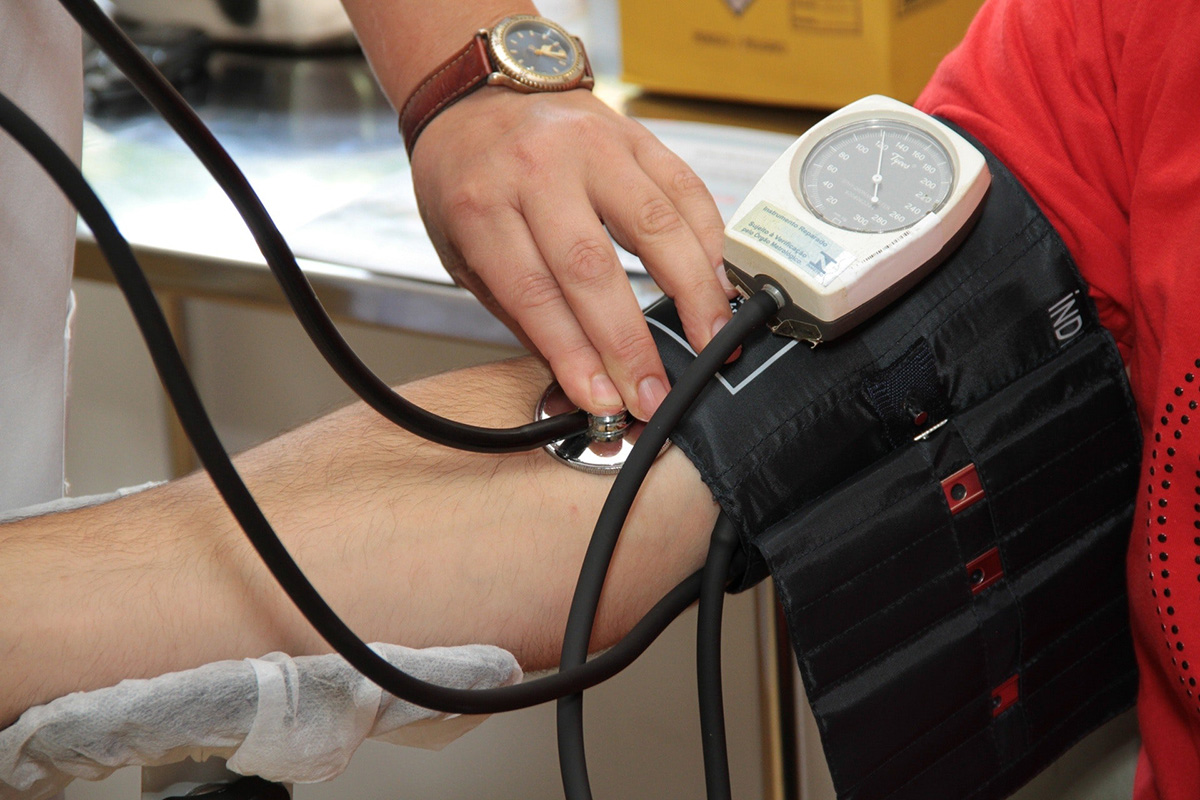
Let’s cover five ways you can lower high blood pressure through dietary changes.
1. Increase your intake of fruits and vegetables
The DASH (Dietary Approaches to Stop Hypertension) diet is a very effective meal plan to lower blood pressure. The diet is high in fruits and vegetables, including 4-5 vegetable servings and 4-5 fruit servings everyday.
Fruits and vegetables are rich sources of fiber and phytonutrients essential to heart health and promotion of a lower blood pressure. The more the better!
2. Decrease sodium intake
Sodium & Potassium – Are you getting too much or too little?
 I’ve shared information previously on the benefits of a high potassium diet and reduced blood pressure. However, another study has found an increased risk of death from heart disease to be linked to a diet high in sodium and low in potassium.
High sodium, low potassium equals increased risk of death
According to research Elena V. Kuklina, consuming a diet high in sodium and low in potassium results in a 50% increased risk of death from any cause and almost doubles the risk of death from heart disease. The study I’m referencing was published in the Archives of Internal Medicine.
Study Participants
Researchers followed over 12,000 US adults. The participants did not follow a reduced salt diet nor did they have a history of heart conditions or stroke. Participants were followed for 15 years. During this time 2,270 participants died. Out of this number, 1268 died from cardiovascular disease.
Study Results
Exercise Safety with High Blood Pressure
 If you have high blood pressure you need to exercise wisely.
Weight Training & High Blood Pressure
You want to use caution when lifting weights. There is potential for weight lifting to cause a drastic rise in blood pressure. However, there are many benefits linked to strength training, including a lower blood pressure.
I’ll refer you to this article to learn more:
How does strength training affect blood pressure?
Stay Safe
Heart Healthy Diet
 There is an overwhelming amount of information regarding what you should and should not eat available to you. Many times I see people try new diets or special foods to promote heart health. However, they don’t have the basics in place to promote a healthy heart. Therefore, making one particular change, such as eating more walnuts, won’t have as great an impact.
Here are five foundational pieces you need to have in place to promote heart health.
1. Reduce your intake of unhealthy fats
There are different types of dietary fats – saturated and unsaturated. Trans and saturated fats have been linked to a higher risk of heart disease, such as elevated cholesterol levels, and should be consumed in moderation. You want to replace the majority of the saturated fats in your diet with more heart healthy unsaturated fats.
How do you do this?