Lose Weight
Lose Weight – Learn research based strategies to lose weight and keep it off – permanently!
Lose Weight – Learn research based strategies to lose weight and keep it off – permanently!
Liz Copeland has brought together leading international experts and authors in the fields of health, happiness, and life enrichment to bring you the 2009 Wellness Telesummit! Join us to learn about essential wellness!
Join Liz and three other experts for a FREE 4-day Telesummit to guide you to:
The Telesummit begins Monday, April 20, 2009.
All the best,
Lisa Nelson RD
Be Heart Healthy and Lose Weight
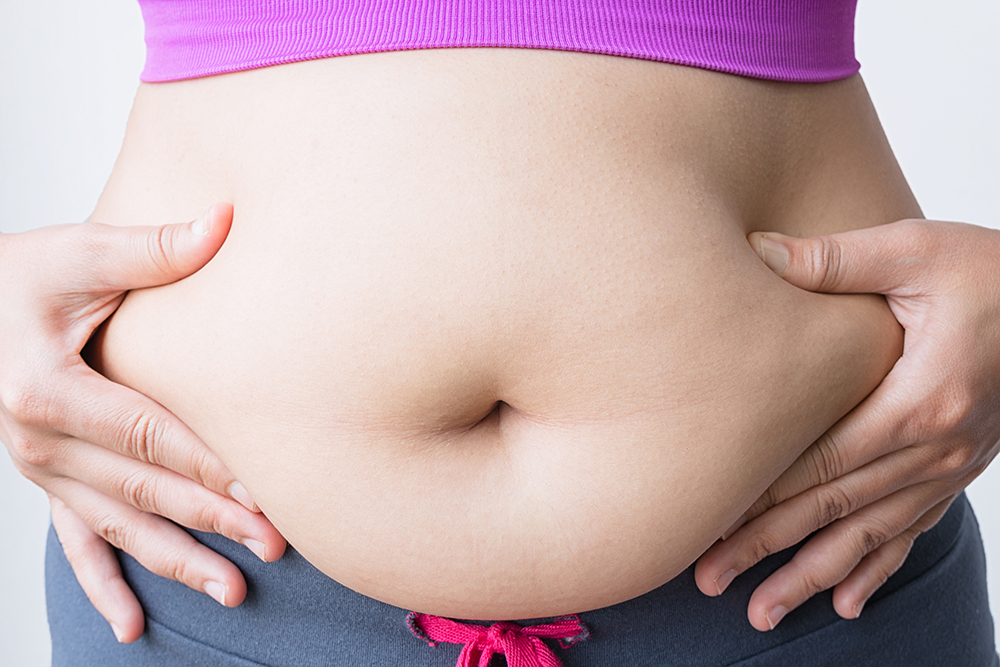
Do you struggle with extra fat around your midsection? Excess abdominal fat is not only visually unappealing to some, but it increases your heart disease risk.
What causes abdominal obesity?
There are many different reasons your body likes to store fat in the abdomen. I want to discuss one possibility – cortisol.Cortisol is a hormone made by the adrenal glands in the kidney. Cortisol levels are highest in the morning. Through gluconeogeneis (term for glucose production), cortisol breaks down muscle to provide the body with needed glucose for energy needs. Cortisol also relocates fat cell deposits into the visceral cavities of the abdomen.
When we are confronted with stress our body’s initial response is “fight or flight”. When we go into “fight” mode our body releases the hormone norepinephrine. When we respond with “flight” (or anxiety) our body releases epinephrine. If the stressful situation is long term and you begin to feel distressed and defeated, the hypothalamus in the brain becomes involved, eventually leading to the release of cortisol from the adrenal gland in the kidney.
Your perception of an event can determine your body’s physical response. Do you feel stressed, but challenged by an obstacle or do you feel overwhelmed and out of control? If you feel challenged and “fight” your body responds with an accelerated heart rate that increases the release of fatty acids into circulation. If you feel out of control and defeated (“flight”), the body increases fat formation (lipogenesis), breakdowns tissue (muscle), suppresses the immune system, and increases visceral fat deposits.
Visceral fat is the fat around and between your organs. Subcutaneous fat is the fat layer beneath your skin.
Excess visceral fat leads to the “beer belly” effect (also referred to as the “apple” shape). Visceral fat is connected to insulin resistance and glucose intolerance (linked to diabetes), high cholesterol, high blood pressure, and heart disease.
Get out a tape measure.
Wrap the tape measure around your abdomen at the level of your navel (belly button). Make sure the tape measure is level all the way around (you may need extra hands). Resist the temptation to cinch in the tape measure for a lower number, instead hold the tape measure lightly against your skin.
Men – A waist measurement of 40 inches (102 cm) or greater equal’s abdominal obesity.
Women – A waist measurement of 35 inches (88 cm) or greater equal’s abdominal obesity.
Stress is a part of living, but you can take steps to reduce your stress levels.
Physical activity, especially aerobic activity, is a great stress management tool. Activity releases the “feel good” hormone serotonin to help combat the negative effects of long term stress. As an added bonus, you burn calories to shed the extra layer of fat.
p>Additional interventions to reduce stress include deep breathing, progressive relaxation, meditation, and visualization. Don’t be afraid to step out of your comfort zone and try something new that may be effective at reducing your stress levels. Getting enough sleep and making healthy food choices are two additional steps to promote stress management.
Be sure to get a copy of the special report Stop Wasting Money – Take Control of Your Health to start on the path to heart health and weight loss!

I want to talk about the fat in your diet. When it comes time to lose weight one of the first steps is to switch to a low fat diet. I want to caution you not to drop your fat intake too low. Yes, you need to watch the fat calories, but some fat is needed everyday for optimal health.
Fat is an essential component of a healthy diet providing energy and the fat soluble vitamins A, D, E, and K. Some types of fat even reduce your risk for certain chronic diseases, such as heart disease.
What’s important is the amount and type of fat. I recommend restricting fat intake to ~30% of your total daily calories. This would mean if you are consuming 1500 calories per day, 450 calories or 50 grams would come from fat sources.
Tired of changes that don't last?
Now, you need to make sure these fat sources are healthy. Here are examples of healthy fat sources to include in your diet in moderation:
Some fat in your diet actually promotes weight loss by helping you feel full longer, decreasing your likelihood to snack too much and overeat!
All the best,
Lisa Nelson, RD
Losing weight is not easy, so when you see a headline like the one above you want to believe it can be done. Unfortunately, I am here to tell you it is not that simple. The best way to lose pounds is usually not a quick and easy fix.
This article was triggered by the following question:
“hi… when you have time, will you check out fatloss4idiots and see if you think it’s for real?? I saw this link advertised off to the side, was curious and looked at it… you have to pay to see the diet but they explain how it’s supposed to work and was wondering if it sounds legit to you….
If one person has this question, I am sure many of you do, too. I am going to give you the tools you need to spot what’s known as a "fad diet" on your own.
Fad Diet Defined
A fad diet is an eating plan that quickly surges in popularity and tends to just as quickly fizzle out. Most fad diets are unbalanced meal plans that lead to weight gain when you go off the diet. Fad diets tend to be cyclical. For example, the Atkins diet was created in the 1970’s and made a recent comeback.
Fad Diet Identified
Ask yourself the following 11 questions when evaluating a diet program.
If the answer is "yes" to any of these questions, then you are probably dealing with a fad diet.
When you review fatloss4idiots, you will see quick fix promises, claims that sound too good to be true, and very little information related to the science behind why the plan works.
Fad Diet Examples
There are hundreds of fad diets on the market. Here are some common examples:
Atkins
Cabbage Soup Diet
3 Day Diet
South Beach Diet
Grapefruit Diet
Macrobiotic Diet
Low Carb Diet
Zone Diet
Successful Diet Plans
A good plan will teach you to make healthy food choices (everything in moderation), along with an activity component. Weight loss and physical activity go hand in hand.
Stop thinking – "diet". A "diet" implies short term changes. If you want to be successful with weight loss you need to find a plan you can stick with long term. Start focusing on next year instead of next month. Successful weight loss requires change and change is never easy. You need to start with small, permanent steps to achieve long-term weight loss.
If it sounds too good to be true – it is!
Learn about the best way to lose weight by visiting https://www.lisanelsonrd.com/loseweight.shtml.
If you’re looking for an easy fix to your weight loss struggle be cautious. According to the FDA (U.S. Food and Drug Administration) it’s constantly battling fraudulent and bogus claims in the weight loss industry. Most recently the FDA has targeted 70 different weight loss supplements.
Many weight loss supplements contain “undeclared pharmaceutical ingredients”, frequently in levels exceeding FDA recommendations. These ingredients include drugs not approved in the U.S. These substances impact blood pressure and anti-seizure medications, diuretics, along with drugs linked to suicide, depression, and cancer.
Be smart! We’ve known for a long time the only way to successful weight loss is to eat right and exercise. It’s not easy, but it is possible. . .and well worth it!
No need to play around with dietary supplement safety.
All the best,
Lisa Nelson RD
The Best Way to Lose Weight
I enjoy the show The Biggest Loser. On one of the episodes this season they had an individual from Prevention magazine share some tips based on the “Flat Belly” diet. I was very excited because it sounded like a link had been found between the Mediterranean diet and reduced abdominal obesity. Hence, the reason for this article!
The Mediterranean diet contains an increased level of monounsaturated fat compared to the typical American diet. Monounsaturated fat is a type of heart healthy unsaturated fat. One of the best monounsaturated fat sources is olive oil. I went to work researching to find scientific evidence to support a link between a diet high in monounsaturated fat and reduced belly fat.
Here’s the main study supporting the connection between decreased abdominal obesity and monounsaturated fats.
Study: Published in the Diabetes Care back in 2007 by J.A. Paniagua, MD, PHD, A. Gallego de la Sacristana, MD, I. Romero, PHD, A. Vidal-Puig, MD, PHD, J.M. Latre, MD, PHD, E. Sanchez, MD, P. Perez-Martinez, MD, PHD, J. Lopez-Miranda, MD, PHD and F. Perez-Jimenez, MD, PHD
Monounsaturated Fat-Rich Diet Prevents Central Body Fat Distribution and Decreases Postprandial Adiponectin Expression Induced by a Carbohydrate-Rich Diet in Insulin-Resistant Subjects
The purpose of this study was to show that central obesity is linked with insulin resistance (when the body does not respond normally to insulin) and studied the effect of three different diets with the same level of calories on fat distribution, insulin sensitivity, and peripheral adiponectin (fat hormone) gene expression. The study included 11 individuals that were considered insulin resistant. Everyone in the study spent 28 days on each of the following diets: 1. diet enriched in saturated fat, 2. diet rich in monounsaturated fat, 3. diet rich in carbohydrates.
The study found weight, body composition, and metabolism unchanged during all three diets. On a high carbohydrate diet, fat tended to be redistributed to the abdominal area versus the high fat diets.
There have been many studies conducted on this theory, but the results are all conflicting.
Expert Opinion
1. Not enough evidence to support a connection.
This was a fairly small study of only eleven individuals. A study on 62 women published in the Journal of Nutrition in 2004 did not find a link between a diet high in monounsaturated fat and changed body fat distribution. There needs to be more large scale studies that conclusively establish a link before we can jump on the bandwagon.
2. Follow a Mediterranean Diet anyway!
Whether or not a Mediterranean Diet targets belly fat or not, the benefits of this type of diet are well known when it comes to heart health and weight loss.
Those that follow a Mediterranean Diet have a reduced risk of developing heart disease and dying from a heart attack. Even those that have survived a heart attack and lived to adopt the Mediterranean Diet significantly reduce their risk of a second heart attack and other complications.
Also, those that follow the Mediterranean diet have increased satiety (feelings of fullness) due to the adequate fat and fiber content. This means a decreased urge to overeat which promotes weight loss.
Characteristics common to a Mediterranean Diet include:
Consume high intake of fruits and vegetables
Select whole grains
Consume healthy fats (canola and olive oil)
Eat nuts in moderation
Low red wine consumption
Limit eggs to less than 4 times per week
Consume little red meat
Eat fish regularly
If you adopt this style of eating now and some conclusive evidence comes out in the future supporting a link with decreased belly fat, it won’t matter. You’ll already be lean with a healthy heart!
Receive heart health and weight loss tips from dietitian Lisa Nelson when you subscribe to The Heart of Health ezine at https://www.lisanelsonrd.com/hearthealth.html. You can select from the free courses How to Lower Cholesterol in 8 Simple Steps or 7 Natural Ways to Lower Blood Pressure when you subscribe.