
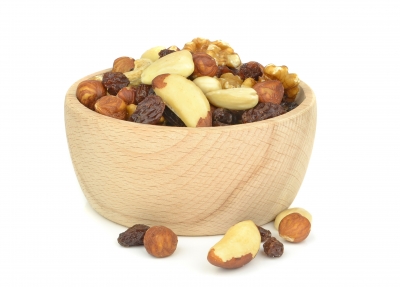
 Selenium is a trace mineral found in soil and naturally present in many foods.
The recommended dietary allowance for selenium is the same for men and women at 55 micrograms daily for anyone 14 years of age or older.
Selenium plays a critical role in reproduction, metabolism, DNA synthesis, infection, and protection from oxidative damage.
A component of selenium works to prevent the oxidation of cholesterol particles, decrease inflammation, and prevent platelet aggregation.
This function of selenium led researchers to investigate whether or not selenium supplementation can be used to reduce cardiovascular disease.
Research resulted in conflicting results. Some research found people with lower selenium levels to have a higher risk of heart disease. Other research found there to be no connection and some even indicated high selenium levels were associated with an increased heart disease risk.
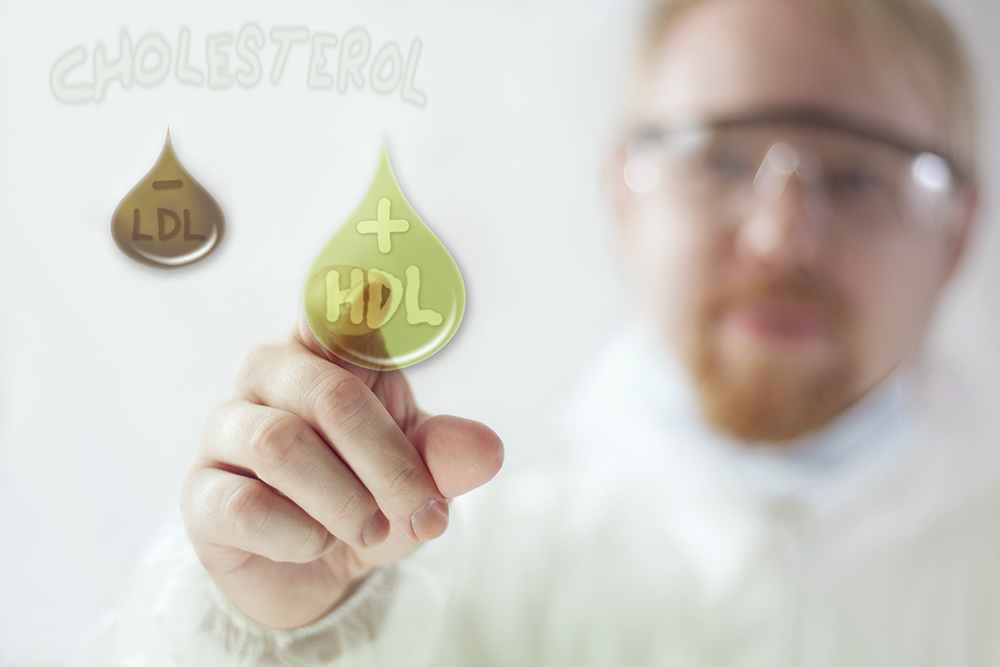 Cholesterol is not all bad.
Cholesterol is a type of fat which plays an important function in every cell wall. Cholesterol is used by the body to make other substances, such as hormones, which are essential to our health and well-being.
While cholesterol is found in some foods, the body also produces needed cholesterol in the liver.
Low-density-lipoprotein (LDL) cholesterol carries cholesterol from the liver to cells.
High-density-lipoprotein (HDL) returns “extra” cholesterol in circulation to the liver.
Diet and lifestyle choices, as well as health conditions, can cause the cholesterol balance gets skewed and heart disease risk rises when LDL levels become too high and/or HDL levels drop too low.
This is where many patients are prescribed statin medications to lower LDL cholesterol levels back to a healthy range, reducing heart disease risk.
There was a publication not too long ago claiming no association to be found between LDL cholesterol and mortality.
This was a review of 19 studies with over 68,000 participants finding no evidence between LDL cholesterol and mortality.
I was interested to see this because it seems like we are taking it too far in our efforts to lower LDL cholesterol to lower and lower levels. Cholesterol does have a relevant role in health.
 Here are nine easy ways to ensure you eat the recommended five to nine servings of fruits and vegetables every day.
1. Eat on the go.
An apple, orange, banana, and pear are all portable fruits you can eat on the go without advance prep. Fruits provide vitamin C, a powerful antioxidant enhancing the body’s response to free radicals and protecting the arteries from oxidative damage.
2. Salads.
Shop the produce shelf for ready-made salads. Select dark green, leafy lettuce varieties, such as romaine, endive, and spinach.
3. Pizza.
Top your pizza with extra chunks of tomatoes, onions, bell peppers, spinach leaves, and pineapple. Tomatoes are rich in nutrients that directly impact heart health, including potassium, niacin, vitamin B6, and folate
4. Breakfast.
Use strawberries, bananas, blueberries and other fruits to pancakes, waffles, and toast. Colorful berries are a rich source of polyphenols and antioxidants.
5. Vegetable snacks.
Snack on raw baby carrots, pepper slices, cauliflower, broccoli, and celery. Cardiac physician Mark Houston recommends consuming 4 stalks of celery daily.
6. Fruit snacks.
Keep one-serving size bags of dried fruit in your car or desk for a convenient and still healthy snack. A 1/4 equal one-serving of dried fruit.
7. Pasta and omelets.
Mix in frozen or fresh vegetables with your pasta and omelets. Canned vegetables are high in sodium, while frozen or fresh vegetables usually have no added sodium.
8. Soup and sauces.
Boost nutritional value of soups and sauces by adding a kidney beans, green beans, corn, or peas. Beans provide both soluble and insoluble fiber to promote healthy cholesterol levels.
9. Smoothies.
Enjoy a healthy, refreshing smoothie made with frozen fruit, yogurt, and ice. Add a tablespoon of ground flaxseed to boost omega 3’s.
Remember… your goal is to consume 5 to 9 servings of fruits and vegetables EVERY DAY.
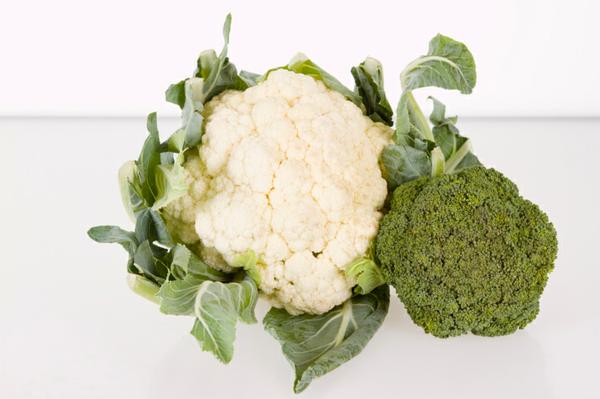
Do you consume 2 ½ cups of vegetables daily as recommended by the 2015 Dietary Guidelines for Americans?
Cruciferous vegetables are a nutrient-rich option for boosting daily vegetable intake. These vegetables are a good source of dietary fiber, vitamins K, C, and E, folate, calcium, and potassium.
Research indicates there may be a link between some of the nutrients and phytochemicals contained in cruciferous vegetables with reduced cancer risk and improved cardiovascular health.
#1 Kale
One cup of Kale provides over 1000 mcg of vitamin K. The fiber, potassium, folic acid, and vitamin C found in kale support heart health. Select dark, colored bunches of kale, avoiding yellow and brown leaves.
#2 Broccoli
Microwave or steam broccoli instead of boiling it to reduce nutrient losses. You can consume both the stalks and the florets. Broccoli is a rich source of the enzyme sulforaphane, which is involved in liver detoxification and three B vitamins ( B6, B12, and folate) that reduce homocysteine levels.
Folic acid is synthetic form of the water-soluble vitamin B9. Folate is the natural form of this vitamin found in foods. There is debate surrounding which form of vitamin B9 is healthiest – folic acid versus folate, but I don’t want to explore that argument today. For the sake of our discussion, folic acid is equal to folate and I’m using the terms interchangeably.
Folic acid plays an important role in energy production and the immune system.
Homocysteine is an amino acid that comes from the normal breakdown of proteins in the body. Folic acid is one vitamin supporting the breakdown of amino acids. Research has suggested that deficiencies of folic acid and other B vitamins lead to elevated homocysteine levels, which has been evaluated as a potential risk factor for heart disease and stroke.
 Children seem to have more bumps, bug bites and scrapes than anyone else in the family. Yet most over-the-counter (OTC) remedies have side effects that are risky to our little ones.
Sherry Torkos award winning pharmacist and author of Saving Women’s Hearts, has taken a moment to share some of her favorite picks for smarter, safer alternatives that are especially good to have on hand in the spring and summer. According to Torkos, most of these can be used for kids as young as two years old as well as the adults in your household.