If you’re looking for a naturally sweet, nutrient-packed fruit to add to your diet, persimmons are worth exploring. Beyond their vibrant color and honey-like flavor, persimmons provide multiple health benefits that support digestion, heart health, and overall wellness.
Persimmons are packed with vitamins A and C, which are essential for immune function, skin health, and vision. They also contain antioxidants like beta-carotene and flavonoids, helping to reduce inflammation and protect your body from oxidative stress. Incorporating persimmons regularly is one of the easiest ways to enjoy persimmon health benefits naturally.
High in dietary fiber, persimmons promote healthy digestion and regularity. Fiber also feeds beneficial gut bacteria, contributing to a balanced microbiome, which is vital for immune support and overall gut health. Enjoy persimmons fresh, in oatmeal, or as part of a salad to increase your fiber intake.
Persimmons contain potassium and heart-healthy flavonoids. Potassium helps maintain healthy blood pressure, while flavonoids reduce oxidative stress and inflammation in the cardiovascular system. Including persimmons in your diet may help support healthy cholesterol levels and overall heart function.
Tired of changes that don't last?
With natural sugars and complex carbohydrates, persimmons provide sustained energy. They make an ideal snack for a mid-morning or afternoon boost, offering a healthy alternative to processed sweets. Adding persimmons to your daily routine is another way to take advantage of persimmon health benefits while enjoying a naturally sweet treat.
Persimmons can be enjoyed fresh, dried, or cooked. Slice them into salads, blend into smoothies, or roast them for a naturally sweet treat. They pair well with nuts, yogurt, or spices like cinnamon and ginger.
Persimmons are a delicious, nutrient-rich fruit offering a wide range of health benefits. From supporting digestion and heart health to boosting immunity and energy, adding persimmons to your diet is an easy, flavorful way to nourish your body and enhance overall wellness.

Your immune system works around the clock to protect your body from viruses, bacteria, and environmental stressors. While genetics and age influence immune health, daily habits play a major role in how to strengthen immunity naturally and keep your body defending itself effectively.
Recent studies highlight several effective ways to strengthen immunity naturally through nutrition, movement, sleep, and stress balance.
A diet rich in whole foods supports a diverse gut microbiome which is a key regulator of immune function. A 2024 review in the British Journal of Nutrition found that diets emphasizing vegetables, fruits, legumes, and omega-3 fats improved immune resilience and reduced inflammation markers.
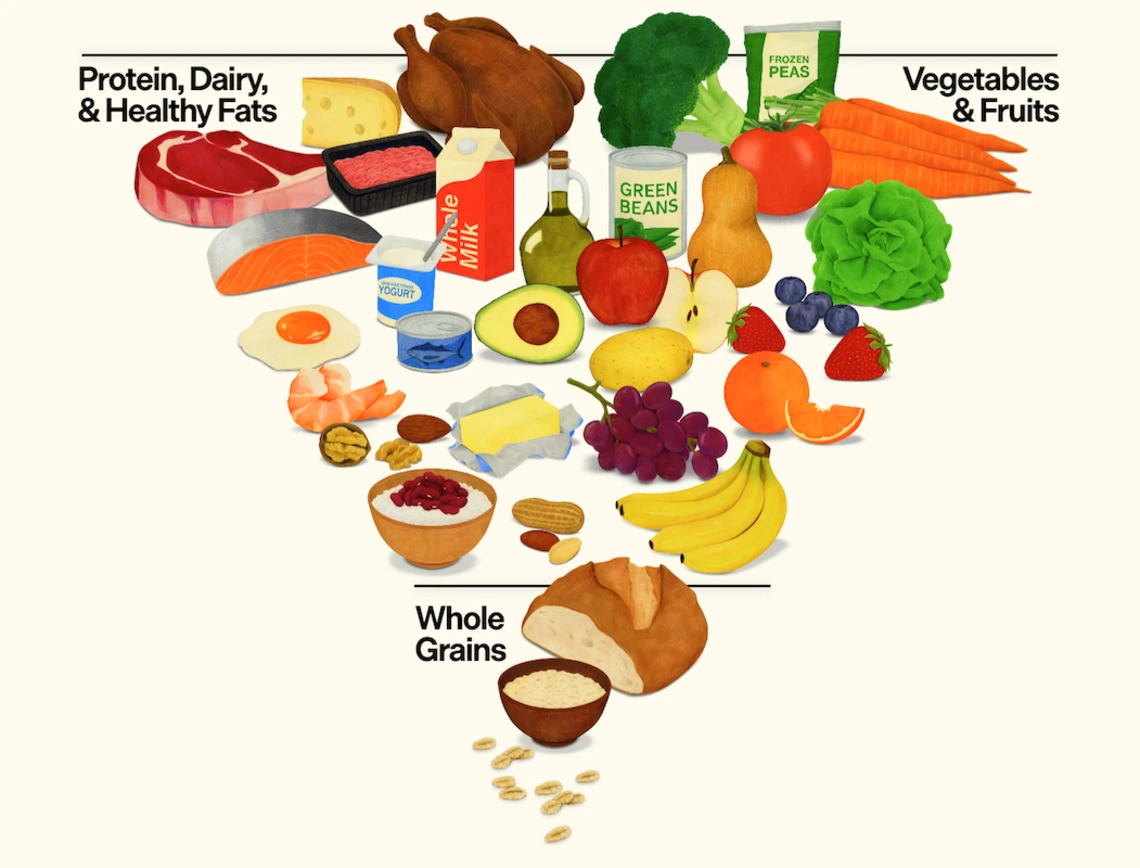
Aim for a variety of colorful produce, lean proteins, and healthy fats. Vitamin C, zinc, and selenium are particularly important for white blood cell activity and antioxidant defense.
About 70% of your immune cells reside in the gut. Maintaining balance in the gut microbiota helps your body recognize harmful pathogens and prevent chronic inflammation.
Continue reading
When you think about heart health, your first thoughts might be about cholesterol, blood pressure, or exercise. These are the big players everyone talks about—and they’re important. But did you know that your gums and teeth can also play a role in your heart’s well-being? The oral health and heart disease connection is real, and understanding it can help you take better care of both your mouth and your heart.
Gum disease, also known as periodontal disease, is a common condition where the gums become inflamed due to bacterial infections. If left untreated, it can lead to tooth loss and other serious health issues. What many people don’t realize is that gum disease doesn’t just affect your mouth—it can have effects throughout your body.
Your mouth is full of both good and bad bacteria. When plaque builds up around your teeth, harmful bacteria can thrive, causing inflammation in your gums. This inflammation isn’t just local; these bacteria and the chemicals they produce can enter your bloodstream through tiny openings in your inflamed gums.
Once in your bloodstream, these bacteria and inflammatory molecules can travel to your arteries, the blood vessels that carry oxygen-rich blood to your heart and other organs. This can trigger inflammation in the arteries themselves, which contributes to the buildup of plaque—a sticky substance made of fat, cholesterol, calcium, and other debris—in a process called atherosclerosis (Harvard Health Publishing).
Atherosclerosis narrows and stiffens your arteries, making it harder for blood to flow freely. Over time, this can lead to serious cardiovascular problems, including heart attacks and strokes.
A 2020 consensus report in the Journal of Clinical Periodontology reviews how periodontal inflammation may accelerate atherosclerosis—the buildup of plaque in arteries—and increase heart disease risk (Journal of Clinical Periodontology, 2020).
Continue reading
Triglycerides are a type of fat found in the blood. After you eat, your body converts any calories it doesn’t need to use right away into triglycerides, storing them in fat cells. Later, hormones release these triglycerides for energy.
While triglycerides are essential for overall health, high levels can increase the risk of heart disease and may signal metabolic syndrome. This condition includes a combination of risk factors such as high blood pressure, high blood sugar, excess belly fat, and abnormal cholesterol levels.
Keeping triglyceride levels in check is essential for heart health. Recent studies highlight several effective strategies:
Continue reading
Many seniors have spent much of their lives caring for others—raising children, supporting family members, and even looking after aging parents. While these responsibilities are fulfilling, they often leave little time for self-care. As a result, many older adults may not have prioritized their own well-being. However, it’s never too late to start. Incorporating simple self-care practices can significantly enhance quality of life, particularly when it comes to heart health.
Cognitive and heart health are closely connected, and taking steps to support one often benefits the other. As we age, memory and cognitive function can decline, but keeping the mind sharp can also contribute to better cardiovascular health. Engaging in brain games, puzzles, and reading can help maintain mental acuity, while activities that reduce stress—such as meditation—can also lower blood pressure and promote heart health.
Nutrition plays a crucial role in both brain and heart function. A diet rich in antioxidants, healthy fats, and omega-3s—found in foods like fish, nuts, and berries—supports cognitive function and helps maintain healthy cholesterol levels. Regular physical activity, such as walking or yoga, improves circulation and strengthens the heart. Supplements like noopept for cognitive support may also aid in maintaining mental clarity and focus, which can contribute to better decision-making regarding heart-healthy lifestyle choices. Small, consistent efforts can make a big difference in preserving both brain and heart health.
Continue reading
Improving your heart health is a journey that takes planning and steady effort. By setting goals and breaking them down into quarterly milestones with simple monthly habits, you can create a realistic path to a healthier heart. This method helps you focus on small, manageable steps while building habits that last.
Quarterly goals offer a focused, manageable approach to health improvement. In 90 days, you can see meaningful progress while maintaining flexibility to adjust for challenges. This structure provides clear direction and keeps motivation high as you reach milestones.
Monthly habits serve as the building blocks for achieving your quarterly objectives. By concentrating on specific, actionable behaviors each month, you develop consistency and create lasting lifestyle changes. These habits accumulate over time, leading to significant improvements in cardiovascular health. For example, focusing on drinking more water in one month lays the foundation for better hydration, which can support endurance activities in the following months.
Each habit builds upon the last, creating a cumulative effect—you don’t stop one habit when adding another, but instead integrate them for a stronger foundation.
To illustrate this approach, consider the following framework for improving cardiovascular health:
Continue reading