
Contributed by Ryan Peterson.
Taking care of a loved one with special needs, whether they be physical or mental, is one of the best things you could ever do. However, before helping someone else, you must first learn to help yourself.
After all, ignoring your needs will inevitably take a toll on the body and mind. Use this simple checklist below, and it will be great news for you as well as your loved one.

A healthy lifestyle isn’t simply about eating the right foods and hitting the gym. Poor lifestyle choices can lead to poor health as well as medical conditions. They will disrupt your life as well as the ability to support your loved one. Ensure that your daily habits are in a good place for immediate and long-term benefits including increased energy. If you’re young, the consequences might no show just yet. Keep making those mistakes, though, and reversing the damage will be hard.
Contributed by Ryan Peterson.
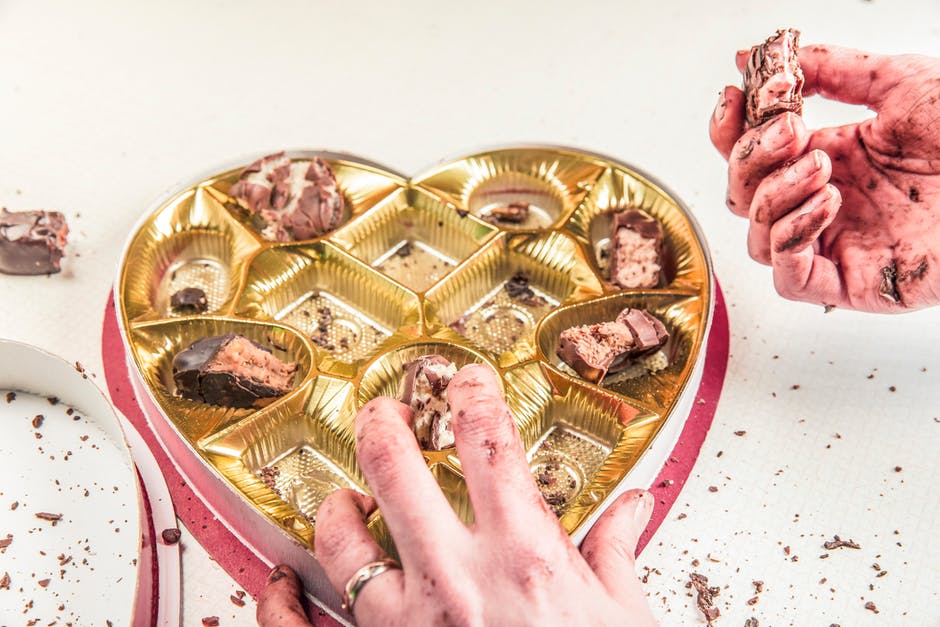
We all know the basics of a healthy lifestyle. Eat well, exercise, and get enough sleep. Don’t put dangerous chemicals into your body and make time for relaxation. However, in practice, it can be a bit more tricky. Our bad habits have been going on for so long that we might not even consider the health effects anymore.
Here are some examples of the ways your poor lifestyle choices are affecting your body.
Research shows that the average American sits for around thirteen hours a day, and sleeps for around eight. That’s a massive part of our day, and our lives in general that we’re not getting any activity. A sedentary lifestyle contributes to weight gain and obesity which comes with its own set of significant health issues. It can cause weakness in joints and muscles and make it more likely that you will sustain an injury when you are active.
One example of this is plantar fasciitis, while it’s common in runners it also occurs when sedentary people up their activity levels. This is when the thick band of muscle at the bottom of the foot becomes inflamed and micro tears appear making it very sore in the heel area. Orthotics such as Biopods can help with this, click here for more information. However maintaining an active lifestyle will prevent the body from becoming weak, you’ll keep your fitness levels and exercise in general will benefit every cell in your body.
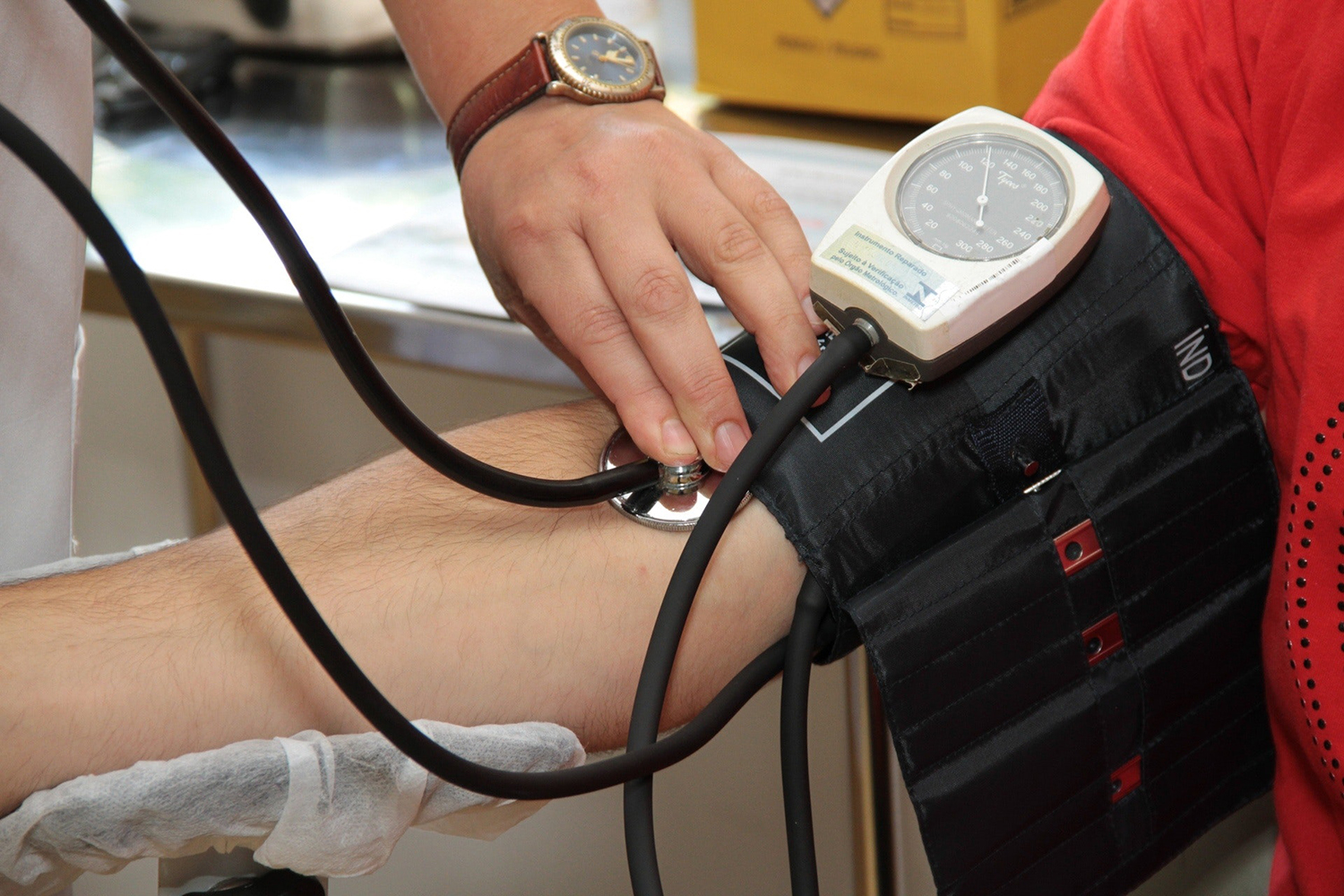
High blood pressure is fairly common, especially with an increase in age. Based on new blood pressure guidelines almost 50% of American adults have high blood pressure. Your blood pressure depends on how much blood your heart is pumping, and the resistance in your arteries which allows the blood to flow. The narrower your arteries, the higher your blood pressure.
High blood pressure puts more strain on your heart because it has to work harder, and can cause damage to your arteries. Risk factors include obesity, smoking, family history, and drinking too much alcohol. In some cases, the cause is unknown. This condition is known as the “silent killer” because there are not usually noticeable symptoms. You may live with high blood pressure for years and not know. Uncontrolled high blood pressure over time can damage your heart, lungs, blood vessels, brain, and kidneys putting you at higher risk for heart disease, stroke, and kidney disease.
Up to age 45, men are more likely to have high blood pressure than women, and by age 65, it’s more common in women.
Here is a 5 Step Plan for Managing Blood Pressure through lifestyle choices:
Blood pressure often increases as weight increases. According to the American Heart Association, a healthy BMI between 18.5-24.9 is the goal. Losing just 10 pounds can help reduce or prevent high blood pressure. Your caloric intake to lose weight safely should be discussed with your dietitian and each case should be individualized. Increasing the amount of exercise with the appropriate daily caloric intake can help promote a healthy weight. Weight loss in overweight and obese patients lowers diastolic and systolic blood pressure by 5 mmHg.
Keep in mind more weight around the waistline puts you at a greater risk of high blood pressure. In general, men are at risk if their waist measurement is greater than 40 inches and women are at risk if their waist measurement is greater than 35 inches. These numbers can vary and should be monitored.
Your blood pressure is measured in millimeters of mercury (mmHg). A normal blood pressure is around 120/80 mmHg or less. Normal levels can fall below this, yet consistent readings above this can lead to a high blood pressure diagnosis. The top number of the reading is called the systolic and shows the pressure in your blood vessels when your heart beats. The lower number is called the diastolic and it measures the pressure at rest between heartbeats when the heart refills with blood.
If you are diagnosed with high blood pressure discuss your personal blood pressure goal with your doctor. Blood pressure readings above 120/80 mm Hg are considered elevated and above 130/80 mmHg is Stage I Hypertension.
By monitoring your blood pressure at home, you will monitor trends more consistently and be able to supplement the readings taken by your doctor for a more accurate picture of your blood pressure.
Continue reading
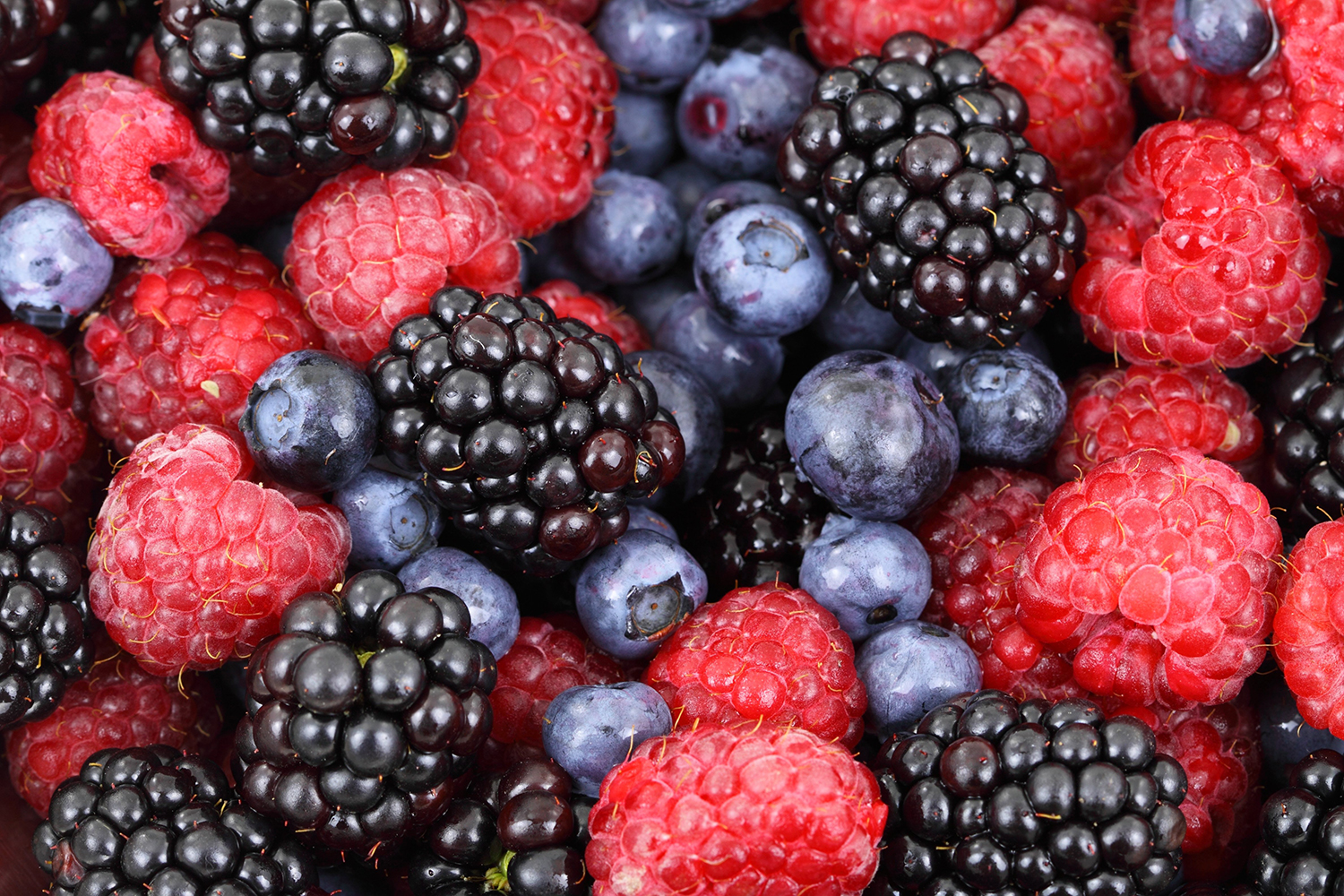
Berries are a rich source of phytochemicals, including anthocyanins, polyphenols, and ellagic acid.
These phytochemicals protect cells from oxidative damage caused by free radicals, reducing the risk of heart disease and cancer.
Summer is the optimal season for berries. Berries in season during the summer include:
Cranberry season is in the fall.
Blueberry
Fresh blueberries contain…
Delicious fresh and cooked into a compote or dessert.
Continue reading
Contributed by Ryan Peterson.

Heart health is one of those seemingly mythical areas of medicine for the layperson. We cannot see our heart in the same way we can see our skin, our limbs, and our waistlines, so we aren’t sure how best to improve our heart health. When we eat a more nutritious diet, we see our waistline shrink, and if we try out a new moisturizer, we can feel a new softness to our epidermis. With heart health, we may try different ways to lower our risk of cardiovascular problems, but we cannot see the impact. Regardless, you should still do everything in your power to keep your heart healthy.
Although it may seem obvious, the food we put into our bodies has a profound impact on our heart health. We need to eat a variety of antioxidant-rich fruit and vegetables. As a rule of thumb, each color signifies a different antioxidant, so it pays to try and eat the rainbow every day. Nuts are the superfood of choice for the heart. Instead of reaching for a candy bar which is loaded with fat and refined sugars, the unsaturated fats in walnuts and almonds can help keep cholesterol low, decreasing chances of a heart attack.
Oily fish are exceptional sources of omega-3 fatty acids which can lower your risk of heart disease and stroke.
If your cholesterol is high, you may be prescribed statins to help it reach a safer level. Taking statin medication does not mean you can eat whatever you want. You must still eat a nutritious and balanced diet. You may also opt to try and change the way you age with new natural supplements to help promote heart health.
Continue reading

Statin drugs are commonly prescribed cholesterol medications and one of the pillars of preventing and treating heart disease. The other pillars, unfortunately, are too often overlooked. Diet modifications, increasing physical activity, stress management, and weight loss continue to be the base of the cardiovascular health pyramid however they are all too often cast aside in our “take a pill” society. The common misconception that a healthy lifestyle is not needed when taking statins is leading to less than optimal protection from heart attacks and strokes.
Health professionals prescribe statins when cholesterol levels are out of balance and/or a person is deemed to be at risk for a cardiovascular event, such as a heart attack or stroke. Statins work by blocking the liver’s production of cholesterol, therefore, lowering LDL cholesterol circulating in the bloodstream. They also have the beneficial effect of raising HDL cholesterol. Some types of statin drugs will also reabsorb cholesterol that has built up in the arteries forming plaque or blockages.